
Framed or inflatable pools?
With the arrival of summer, the season for opening or inflating pools is officially upon us. Therefore, we recommend that you stock up in advance and prepare to have fun on hot days.
Since we talk a lot about pools, today we will compare two types of pools: frame and inflatable, and see what the differences are between them. At home or in a summer cottage, you can just as easily create a relaxing atmosphere as at a resort. For example, install a large pool for adults and children, with sun loungers and tables.

And at this point, the question arises: which pool is better: frame or inflatable?
Both options are quite easy to install and do not require significant costs compared to stationary pools. However, each pool has its own characteristics. First of all, it is necessary to compare the parameters:
Structure installation method:
- Maximum dimensions;
- Strength and durability of the structure;
- Pricing policy set by the manufacturer;
- Convenient operation;
- Easy to maintain;
- Possibility of winter storage, etc.
Inflatable pool: installation and main features
Installing an inflatable pool is very simple. Its main part is a soft bowl, which, due to the inflated upper ring, takes the form of a cylindrical tank.
The reliability of a round inflatable pool is lower than that of a frame one. At the same time, manufacturers offer different quality and cost of materials. Given the small height, the round version is mainly intended for children and cannot be completely filled with water.
Inflatable models are not considered the most reliable because they are made of less durable materials.
The cost depends on the size, design, country of manufacture and configuration: the kit may include additional parts, pumps, ladder, beds, cartridge filter, etc.
Any pool requires cleaning and periodic water changes. After the water has dried, it is necessary to thoroughly clean the walls and bottom. In this regard, the inflatable option is not very convenient, because when the bowl is not full, cleaning the walls is extremely inconvenient. In addition, an inflatable pool should not be left inflated in winter, it is advisable to store it indoors.
After analyzing the characteristics of inflatable models, we can conclude its advantages:
- The cost is lower than other options;
- Easy installation;
- Comfortable action;
However, when buying an inflatable model, you should think about the quality of production and adhesive loops. Also, about cleaning methods.
Frame pool and its features
Installing such a model requires a little more time and preparatory work.
Even if the manufacturer claims that the frame pool can be installed on any soil or even grass, experienced users still recommend that you place the supporting metal racks only on flat, solid surfaces. Wooden boards around the perimeter are suitable if the shape is rectangular, but if the pool is round - you will have to specially equip the place.
We also offer a review of framed pools.
You can choose a frame-type pool in a round or rectangular shape. Round or rectangular is considered more durable because it rarely develops damage holes.
At the same time, the cost of the frame type option is slightly higher.
In this case, it is easier to clean the walls and bottom, as it retains its shape even without water. It is also recommended to purchase pumps, ladders, and filters for operation.
Summary:
- Installing a frame pool is more difficult and time-consuming;
- The cost is higher;
- Convenient operation and maintenance; pumps, filters are also required.
- Higher level of reliability;
- Possibility of storage and operation in winter.
We wish you a successful purchase!
Popular models


 ხარისხის გარანტია


შესაძლოა დაგაინტერესოთ
-
How to choose a fan?
As soon as summer arrives, the first thing that comes to mind is a fan . Fresh air circulation in the heat, rapid coo...
-
How to choose power tools in 2025?
Modern construction and repair work is unthinkable without quality power tools. Choosing the right tool is essential ...
-
How to choose a robot vacuum cleaner?
The question of how to choose a robot vacuum cleaner has been relevant since the appearance of these smart devices on...
-
How to set the refrigerator temperature?
Setting the refrigerator temperature correctly is essential to ensure that products retain their nutritional value fo...
-
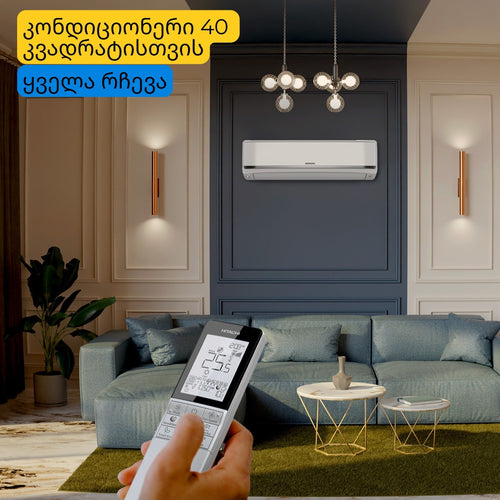
Air conditioner for 40 square meters - everything you need to know before buying
There are several important factors to consider when selecting the right air conditioner for a 40 m² room in 2025, en...
-
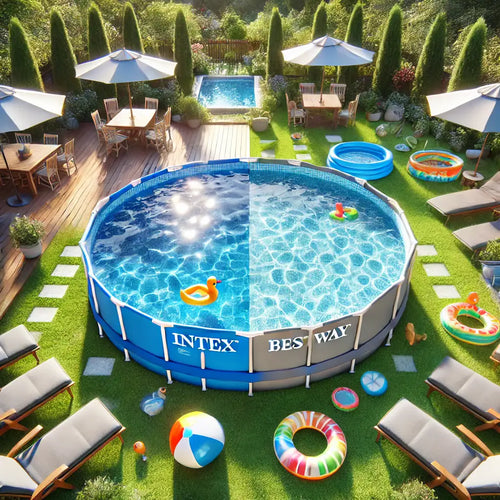
Intex or Bestway - which pool to choose?
When shopping for an outdoor framed pool, you've probably come across Bestway and Intex pools. Both brands offer a wi...
-
Overview of air conditioner features - what each one means
A modern air conditioner has many features, some of which are easy to guess by their names, but in advertising campai...
-
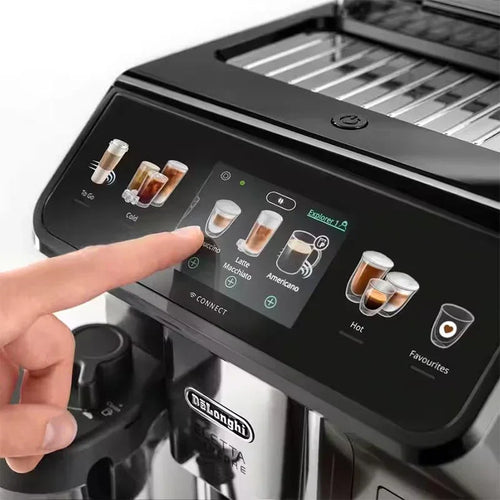
The most comprehensive review of DELONGHI coffee machines
DeLonghi is an Italian premium brand known for its high-quality home appliances, especially coffee machines . The com...
