
The best stationary blenders and selection recommendations
One of the most popular household appliances that you will definitely find in every woman's kitchen is a blender .
Stationary blenders are considered the most efficient models, allowing you to prepare smoothies, dough, minced meat, pate, etc. in just a few minutes.
How to choose a stationary blender?
An indispensable kitchen assistant - a stationary blender, greatly simplifies the daily life of any housewife. The device will quickly and easily prepare any kind of cocktails, sauces, pancake batter, vegetable or fruit puree, etc.
However, it is also important to consider that all blenders have different capabilities. To choose the right model, you should consider the following parameters:
- Power;
- Knife configuration;
- Blade rotation speed;
- Quality of work opportunities;
- Cup volume.
For many consumers, brand and design are crucial.
Power
The power rating determines the capabilities of the blender. The higher this parameter, the longer it can work without interruption. The power of blenders ranges from 400 to 1500 watts, and weaker devices are used only for processing soft products. If you use low-power devices continuously for a long time, they can be damaged and even fail altogether.
More powerful blenders can handle relatively solid products, such as nuts, chocolate, and ice, while professional blenders can process large quantities of products of any consistency. Typically, the power of such devices is more than 1,500 watts.
Knife configuration
In terms of strength, the knives are practically the same for all models, since they are made of stainless steel. Depending on the shape of the blade, which determines the quality of the product processing, it can be straight, curved or with an additional surface.
Ultimately, the number of blades affects the processing of the product. Therefore, the most basic blenders have two blades, while more advanced models have four or six.
Blade rotation speed
The number of revolutions per minute affects the quality of the processed materials. Devices with low speeds can only blend soft foods, while blenders with speeds of 24,000 rpm can process solid ingredients.
Cup volume
Manufacturers offer cups of the following volumes:
Up to 1 liter - such cups can be used to prepare drinks or small amounts of food, which is very convenient for baby food or for athletes;
1-2 liters - a bowl of this size is suitable for a small family, where they often prepare smoothies, pancakes, sauces and pasta;
More than 2 liters - large bowls are used by families with many children.
Philips HR3752 / 00 Avance Collection
Philips The blender is designed for chopping and blending various products . The body is made of metal with plastic attachments.
To prevent the device from moving on the surface, the design includes rubberized feet. The bowl is made of a durable material that does not absorb or emit any odors.

According to the manufacturer, products do not lose their natural flavor and vitamins when blended.
Main features:
- Production material - metal/plastic (bowl);
- Power (maximum) - 1400 W;
- Bowl volume - 1.8 l;
- Number of revolutions - 35 000
Positive features:
- Presence of pulse mode;
- Ice breaking ability;
- Quality cup.
Cons:
- High price;
- Does not take up much space in the kitchen;
- During operation, the vacuum is characterized by some noise.
Moulinex LM811D10 PerfectMix
The Moulinex blender is made of stainless steel, and the bowl is made of glass. It is worth noting that the bowl has its own design features that increase the efficiency of mixing products. The sharp blades thoroughly blend any product.

Main features:
- Production material - metal/glass (bowl);
- Power (max.) - 1200 W;
- Bowl volume - 2 l;
- Number of revolutions - 28 000
Positive features:
- Elegant design;
- Effectively blends hard fruits and vegetables;
- You can buy similar blenders cheaply.
- Stability.
Cons:
- Heavy glass bowl.
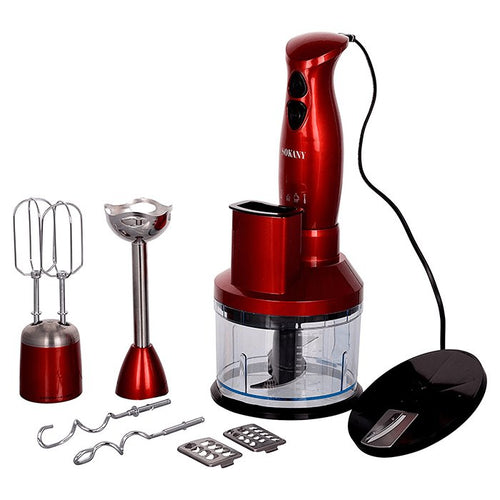
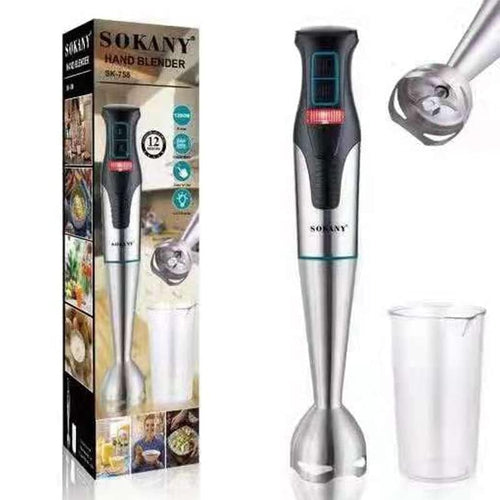
Popular models

 კომერციული გარანტია 3 თვე



შესაძლოა დაგაინტერესოთ
-
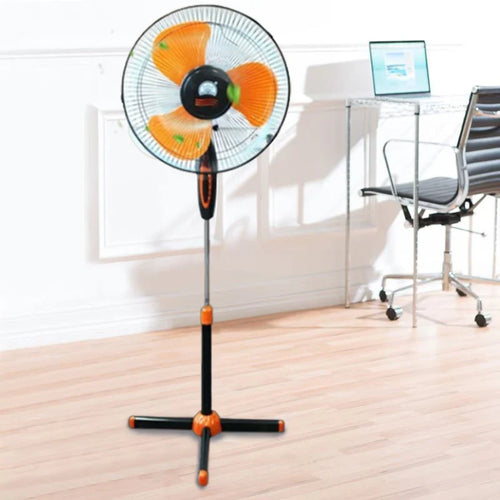
How to choose a fan?
As soon as summer arrives, the first thing that comes to mind is a fan . Fresh air circulation in the heat, rapid coo...
-
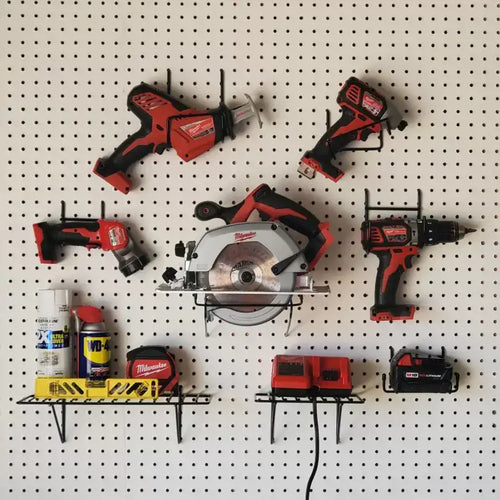
How to choose power tools in 2025?
Modern construction and repair work is unthinkable without quality power tools. Choosing the right tool is essential ...
-
How to choose a robot vacuum cleaner?
The question of how to choose a robot vacuum cleaner has been relevant since the appearance of these smart devices on...
-
How to set the refrigerator temperature?
Setting the refrigerator temperature correctly is essential to ensure that products retain their nutritional value fo...
-
Air conditioner for 40 square meters - everything you need to know before buying
There are several important factors to consider when selecting the right air conditioner for a 40 m² room in 2025, en...
-
Intex or Bestway - which pool to choose?
When shopping for an outdoor framed pool, you've probably come across Bestway and Intex pools. Both brands offer a wi...
-

Overview of air conditioner features - what each one means
A modern air conditioner has many features, some of which are easy to guess by their names, but in advertising campai...
-
The most comprehensive review of DELONGHI coffee machines
DeLonghi is an Italian premium brand known for its high-quality home appliances, especially coffee machines . The com...
