
How to choose utensils for the kitchen
If you take a look at the pots and pans presented on the isurve.ge website, you will see that we offer a very wide assortment.
Here you will find almost any type of kitchenware: enamel, granite, ceramic, and stainless steel saucepan sets, which you can purchase at a fairly affordable price or in installments.
Each pot and pan is made from a different material, which may even differ in terms of characteristics. It is these positive and negative aspects that we will discuss in today's blog.
However, before we move on to discussing them directly, let's first determine which types of cookware are suitable for ovens.
Induction cookers
For an induction cooker, it is advisable to choose cookware that is made of a completely flat surface. Otherwise, the pot or pan simply will not heat up quickly.
The most ideal and common pans and pots for induction are cast iron or stainless steel . However, cookware made of other materials (copper, aluminum, ceramic) is also available. Also, keep in mind that the material, thickness, and diameter should be indicated on the packaging.
Now let's move on to a more specific discussion of different materials and review their advantages and disadvantages:
Stainless steel pots and pans
Pros:
- Impact resistance;
- Resistant to scratches and tolerant to metal dust;
- Uniform heating is possible;
- Easy maintenance and cleaning are possible;
- Versatility of use - used with all types of stoves.
There seem to be no negative characteristics, but the fact that steel cookware becomes covered with certain stains over time is still a rather big nuance that can only be avoided with careful handling.
In modern kitchens, the most popular material is stainless steel pans and pots, which are highly recommended even by restaurant chefs.
Positive characteristics include: durability; safety; non-stick properties (due to the ability to absorb oil); ability to retain heat for a long time.
Negative characteristics: Very heavy; Not recommended for dishwasher use; Takes a long time to heat up; Not suitable for long-term food storage; Requires special care. Otherwise, it may rust quickly.
When buying a cast iron pan or pot, it is important to remember that the material is rough, completely black, and heavy.
Titanium A and Granite kitchen utensils
The positive characteristics of titanium and granite cookware are; fast, uniform heating; food can be cooked without oil; safety
Negative features: high price; not suitable for induction cookers.

Enamelware
Positive features: Large selection of paintings (for retro lovers); makes delicious soups; food storage is completely safe
Negative characteristics: use only for specific purposes; fragility of the material (after the slightest damage to the inner layer, cooking becomes impossible); requires special care (contact with vinegar, lemon and other acids is not recommended).
Used for: cabbage, meat, and mushroom soups, which are most delicious in enamelware. Please note that it is only suitable for use on gas and regular electric stoves.
Teflon pans and pots
Positive features:
It heats up quite quickly; even without oil, it practically does not burn any food.

Negative characteristics: fragile material (not recommended for sudden temperature changes); life-threatening if the surface is damaged; the average lifespan of the dish is 1 year.
Additional features: The number of layers is usually indicated on the packaging: the more, the better. Check the smoothness of the coating, which should be uniform and moderately rough.
Ceramic dishes
Positive features:
- It is harmless for both cooking and storing;
- Withstands heating up to 450° C;
- Food can be prepared without oil;
- Has low weight;
- Heats quickly and evenly

Negative characteristics:
- The service life is a maximum of 1-2 years.
Aluminum pots and pans
Positive features:
- Low weight;
- It is cheap;
- Heats up very quickly.

Negative characteristics:
- Can change the taste of food;
- Not suitable for long-term food storage;
- Narrow scope of application;
- Sensitivity to deformation;
- Not suitable for induction cookers.
If you decide to buy aluminum pots and pans , look for cookware with a coating thickness of 3 mm and a wall thickness of 15 mm. Today, it is increasingly difficult to find completely aluminum cookware, since the inner and outer insulation may be made of other materials. Therefore, be sure to be careful and, if possible, request an appropriate quality certificate.
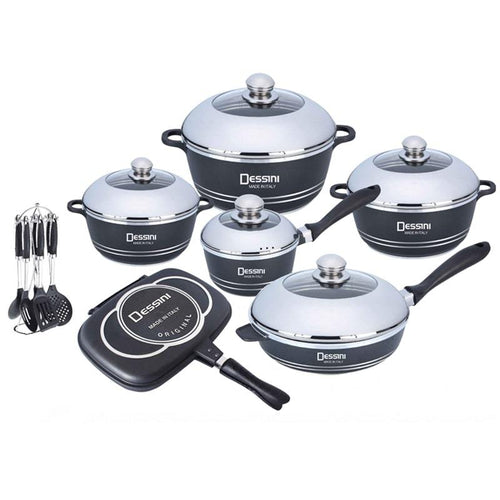
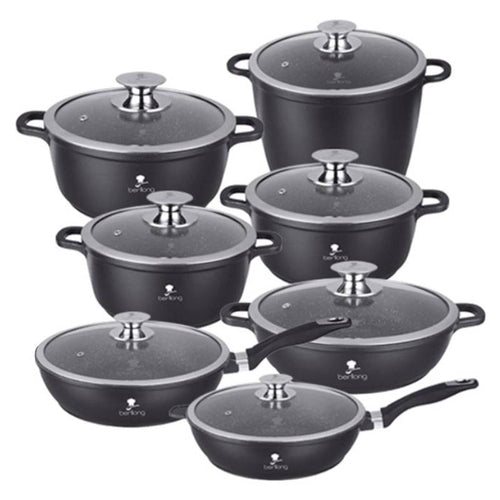
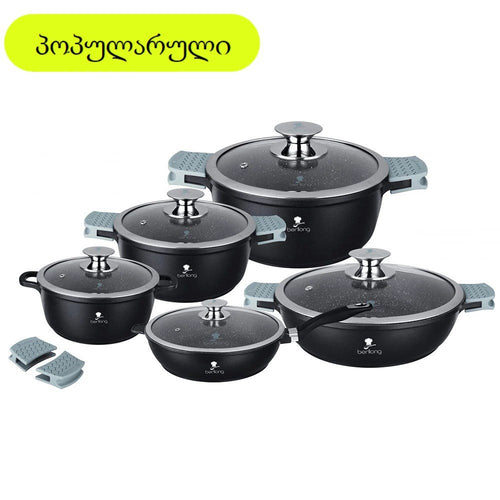
Popular models


 ხარისხის გარანტია



შესაძლოა დაგაინტერესოთ
-
How to choose a fan?
As soon as summer arrives, the first thing that comes to mind is a fan . Fresh air circulation in the heat, rapid coo...
-
How to choose power tools in 2025?
Modern construction and repair work is unthinkable without quality power tools. Choosing the right tool is essential ...
-

How to choose a robot vacuum cleaner?
The question of how to choose a robot vacuum cleaner has been relevant since the appearance of these smart devices on...
-
How to set the refrigerator temperature?
Setting the refrigerator temperature correctly is essential to ensure that products retain their nutritional value fo...
-
Air conditioner for 40 square meters - everything you need to know before buying
There are several important factors to consider when selecting the right air conditioner for a 40 m² room in 2025, en...
-

Intex or Bestway - which pool to choose?
When shopping for an outdoor framed pool, you've probably come across Bestway and Intex pools. Both brands offer a wi...
-
Overview of air conditioner features - what each one means
A modern air conditioner has many features, some of which are easy to guess by their names, but in advertising campai...
-
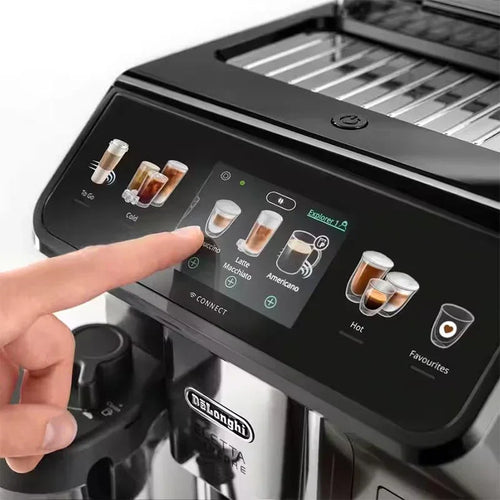
The most comprehensive review of DELONGHI coffee machines
DeLonghi is an Italian premium brand known for its high-quality home appliances, especially coffee machines . The com...
