
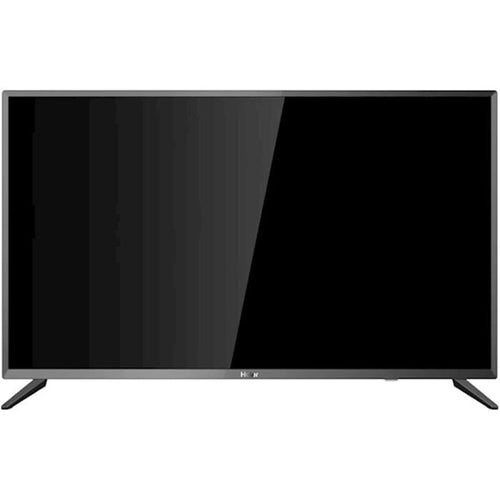
How to choose a TV?

- LCD - The most common type of screen in televisions today. It is analogous to modern computer monitors. An LCD TV is equipped with a liquid crystal matrix.
- LED - TVs are equipped with a liquid crystal display that uses LED lighting. This type of TV is much thinner and consumes less electricity.
- Plasma - TVs in which the image is obtained by discharging gases. Compared to liquid crystal (LCD) TVs, plasma provides more saturated colors, a wider viewing angle, and deeper blacks, but consumes more electricity, the pixel size is also relatively large, and screen flicker is noticeable from a close distance.
Screen diagonal
TV capabilities and additional features
Media player - There are some models of modern TVs that are equipped with a built-in media player. They allow TVs to independently play not only photo and music formats, but also such widely used video files as AVI and MKV.
In addition, video files can be played via USB FLASH memory cards (via USB connector) and via local internet (via RJ45 connector Wi-Fi).
In addition to media players, you already know that smart TVs can run a wide variety of applications.
On this subject, check out our article on the top 15 apps for Android TVs .
Ports - As a rule, modern TVs are used not only for watching broadcasts, but also for connecting a computer to it via DVI, HDMI, and SCART ports.
Frequency - is determined by the frequency of frame changes. In the case of a low frequency, flickering of the screen is noticeable with peripheral vision, therefore, a high frequency indicator is a good parameter, which is why premium TVs have a high frequency.
Contrast - represents the ratio of sharpness between completely black and completely white screens on the next two frames, in black and white. There is also dynamic contrast, with which the TV can automatically change the sharpness on the screen depending on the color of the image, that is, increase it in bright areas and decrease it in dark areas.
The higher the contrast, the sharper the image color on the screen. Picture in Picture - allows two channels to be displayed on the screen at the same time, one of which is full screen, and the other is smaller and placed in the corner of the screen.
3D support - viewing a three-dimensional volumetric image on the screen. There is stereoscopic, which requires special 3D glasses, and autostereoscopic, which does not require any additional accessories.
Popular models


 კომერციული გარანტია 2 წელი




შესაძლოა დაგაინტერესოთ
-
How to choose a fan?
As soon as summer arrives, the first thing that comes to mind is a fan . Fresh air circulation in the heat, rapid coo...
-
How to choose power tools in 2025?
Modern construction and repair work is unthinkable without quality power tools. Choosing the right tool is essential ...
-

How to choose a robot vacuum cleaner?
The question of how to choose a robot vacuum cleaner has been relevant since the appearance of these smart devices on...
-
How to set the refrigerator temperature?
Setting the refrigerator temperature correctly is essential to ensure that products retain their nutritional value fo...
-
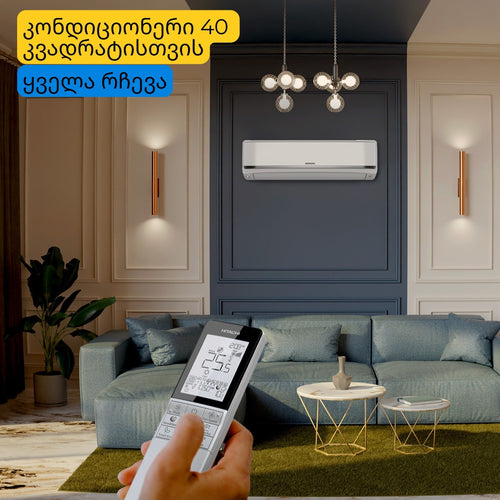
Air conditioner for 40 square meters - everything you need to know before buying
There are several important factors to consider when selecting the right air conditioner for a 40 m² room in 2025, en...
-
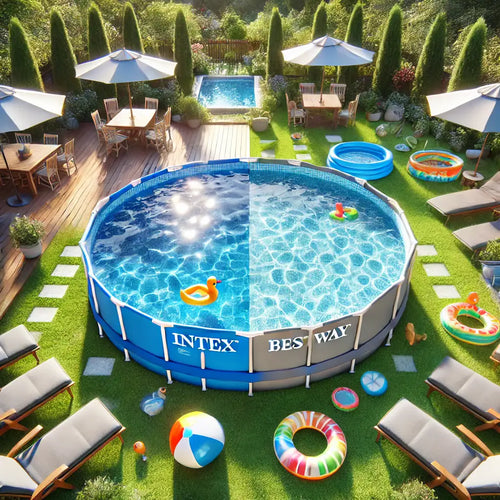
Intex or Bestway - which pool to choose?
When shopping for an outdoor framed pool, you've probably come across Bestway and Intex pools. Both brands offer a wi...
-
Overview of air conditioner features - what each one means
A modern air conditioner has many features, some of which are easy to guess by their names, but in advertising campai...
-
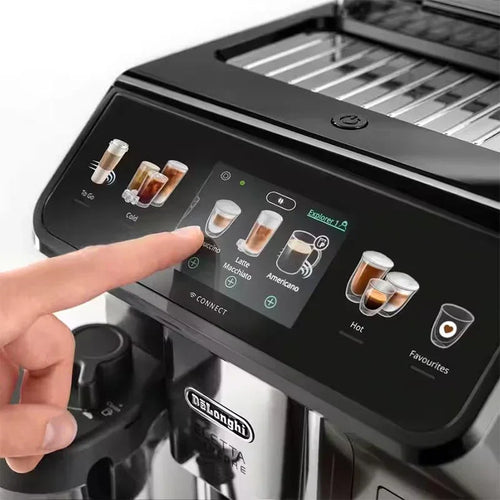
The most comprehensive review of DELONGHI coffee machines
DeLonghi is an Italian premium brand known for its high-quality home appliances, especially coffee machines . The com...
