
Heaters for apartments and cottages
The quality of relaxation at home in winter is largely determined by the ability to maintain a comfortable microclimate in the building.
In today's blog, we will tell you about which heater is more economical and convenient . The blog will also help you make the right choice when purchasing a device and not overpay for features that you do not intend to use.
Which heater is most suitable for a summer cottage?
Every country house resident knows how important it is to quickly heat up rooms on cold winter days.
Using a heater becomes especially important in the spring, as cold weather approaches in the fall, and before frost sets in. Sometimes, electric heaters are very convenient to use to get through such cold days.

You just need to make sure that the heater's power matches the characteristics of your electrical network, since the state of the electrical power directly affects the devices.
If the electrical power supply is faulty or the wiring is outdated, be sure to pay attention to safety.
The following types of heaters are most often used in indoor rooms:- Convectors;
- Infrared;
- Oil heaters.
Convector heaters
This type of electrical device has heating elements that heat up to high temperatures. During operation, there is a fairly intense circulation of air masses, which leads to rapid heating of the room.
The required heater power is selected based on a simple formula: a 1 kW heater will handle a room area of approximately 10 m². Naturally, these figures vary greatly among products of any well-known brand. Keep in mind that the parameters and regulation system allow the heater to adapt to different operating conditions.

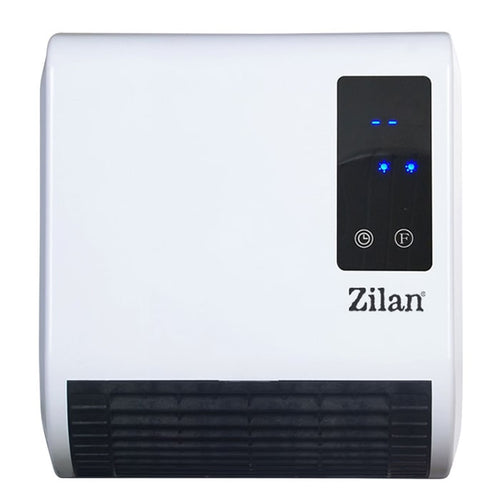
Manufacturers offer convector heaters in various shapes and sizes , so there are options that are designed for both floor and wall mounting.
Modern models are equipped with automatic capabilities that can: maintain a single temperature, provide a comfortable or economical mode, and turn on or off a given program at a time specified by the user.
The safe operation of convector heaters is ensured by a special housing design that protects the devices from water ingress, overheating, and tipping over.
Positive features:
- High speed of room heating;
- Economic operation;
- Fire safety is taken into account;
- Lack of noise and emission of harmful substances;
- Easy installation and understandable management;
- The presence of several operating modes with precise maintenance of the specified air temperature;
- Designed not only for stationary installation, but can also be moved around the house;
- It does not require any maintenance, you just need to periodically clean the housing from dust.
Cons:
- Increased requirements for the reliability of electrical wiring;
- High electricity consumption.
Finally, it should be noted that when choosing convectors for your home, you should consider that one heater is designed to heat one room. If you need to heat several rooms, then you will need to purchase one convector for each room.
For ease of use, convectors located in different rooms can be combined into a single system with a single control unit. This way, you can quickly and accurately adjust the temperature throughout the house.
Popular models


 კომერციული გარანტია 1 წელი



შესაძლოა დაგაინტერესოთ
-
How to choose a fan?
As soon as summer arrives, the first thing that comes to mind is a fan . Fresh air circulation in the heat, rapid coo...
-
How to choose power tools in 2025?
Modern construction and repair work is unthinkable without quality power tools. Choosing the right tool is essential ...
-
How to choose a robot vacuum cleaner?
The question of how to choose a robot vacuum cleaner has been relevant since the appearance of these smart devices on...
-
How to set the refrigerator temperature?
Setting the refrigerator temperature correctly is essential to ensure that products retain their nutritional value fo...
-
Air conditioner for 40 square meters - everything you need to know before buying
There are several important factors to consider when selecting the right air conditioner for a 40 m² room in 2025, en...
-
Intex or Bestway - which pool to choose?
When shopping for an outdoor framed pool, you've probably come across Bestway and Intex pools. Both brands offer a wi...
-
Overview of air conditioner features - what each one means
A modern air conditioner has many features, some of which are easy to guess by their names, but in advertising campai...
-
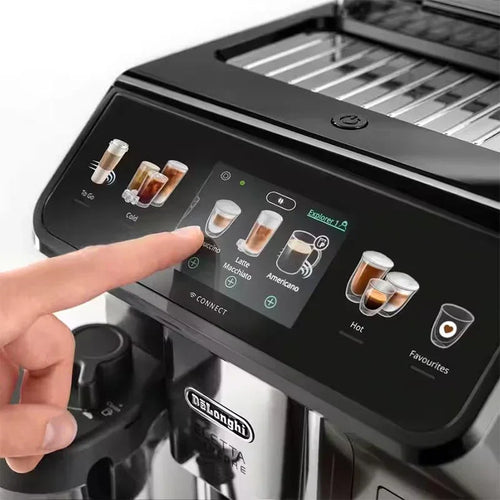
The most comprehensive review of DELONGHI coffee machines
DeLonghi is an Italian premium brand known for its high-quality home appliances, especially coffee machines . The com...
