
Blender Review
In the summer, when we have plenty of natural fruits and vegetables to eat, there's nothing better than drinking juices packed with vitamins.
The fact is that natural juices promote good health, and drinking a glass every day is a really good and right decision.
It doesn't take much effort to make delicious juices from a variety of fruits.

The main thing is to wash the fruits and vegetables well, cut them into medium-sized pieces, put them in a blender, set to the desired mode, and it's ready.
Yes, yes, what makes a good deed easier is a blender, which we will talk about in more detail in today's blog.
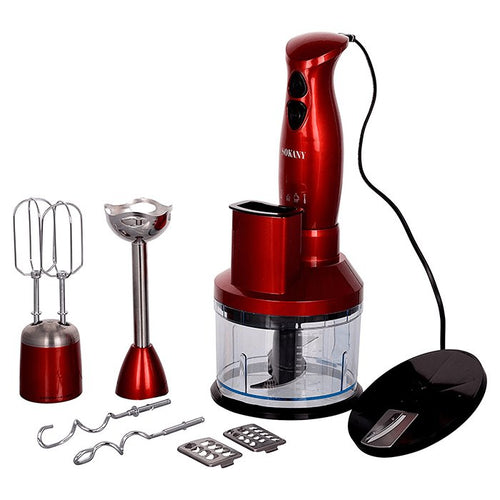
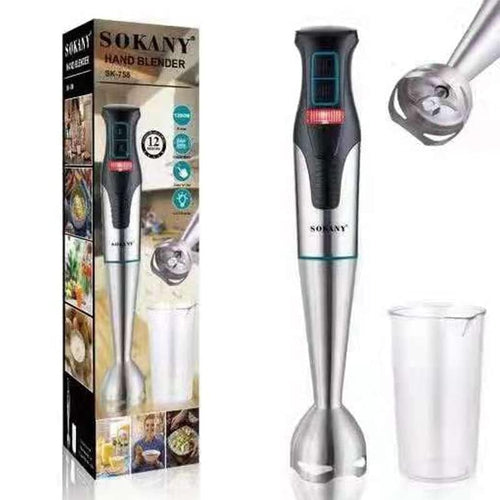
There are different types of blenders, and one of them is the hand blender , which has the advantage of being compact. With its help, you can blend medium-sized ingredients in any container, pantry.
In this case, carelessness is out of the question, because you are holding the blender by hand, which the automatic mode does not have.
The device is convenient in terms of storage and transportation in a small kitchen.
Stand-type blender:
It is an ideal option for making juices, but can also easily handle other tasks.
It does not require your direct participation in the work process, as it is in automatic mode.
Compared to a hand blender, a stand blender takes up more space in the kitchen, but you can easily adapt it to the design of your kitchen and make it fit in.
This type of blender is ideal for lovers of cocktails and soups, as the liquid contained in it does not spill. The device is also quite convenient to use on a daily basis.
The power of the devices ranges from 140 to 2000 watts. The more powerful the hand blender is, the faster it processes food.
If you plan to process soft foods, up to 450 watts is enough, but if you need a blender to perform complex tasks, such as crushing ice, processing nuts, meat or frozen vegetables, then it is better to choose a model with 600-800 watts.
A blender with a power of 1000 watts or more is already professional, capable of handling absolutely any product, but of course, its price is high.
Along with power, we also pay attention to speed, because thanks to it, we can precisely adjust the speed of rotation of the blade.
If you want to buy a reliable and simple device, it is better to opt for a blender with 1-2 speeds, but if flexible speed settings are important to you, choose a device with 5-8 speeds.
Most hand blenders are powered by electricity and have a 1.5 m long cord.
If you have a large kitchen, a cordless blender is more convenient.
The power of large stand blenders ranges from 250 to 1500 watts.
If you often have to process nuts, frozen berries, and ice, it is best to choose a blender with a power of 750–900 watts.
These types of blenders usually have speeds from 1 to 20. Speeds 2-4 are enough to handle small household tasks.
A blender can have one or two blades. The more blades, the faster it can process food. However, the larger the bowl, the more food you can chop at once.
A bowl with a capacity of 1.5–2 liters, convenient for preparing soups and drinks. The bowl can be made of plastic, glass or metal.
A plastic bowl is light and comfortable. A glass bowl doesn't allow you to handle hot ingredients. A metal bowl does, but it's also much more expensive.
For more information, you can see How to Choose a Blender?
Popular models

 კომერციული გარანტია 3 თვე



შესაძლოა დაგაინტერესოთ
-
How to choose a fan?
As soon as summer arrives, the first thing that comes to mind is a fan . Fresh air circulation in the heat, rapid coo...
-
How to choose power tools in 2025?
Modern construction and repair work is unthinkable without quality power tools. Choosing the right tool is essential ...
-

How to choose a robot vacuum cleaner?
The question of how to choose a robot vacuum cleaner has been relevant since the appearance of these smart devices on...
-
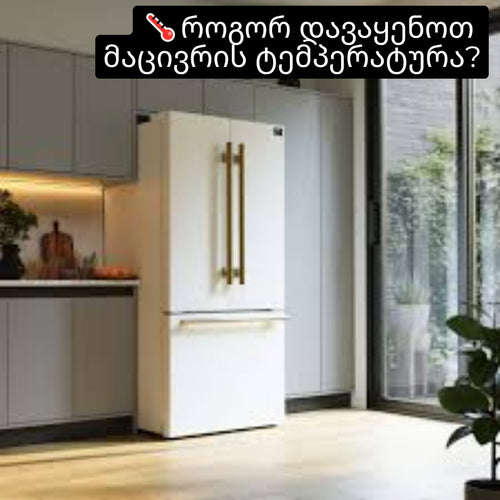
How to set the refrigerator temperature?
Setting the refrigerator temperature correctly is essential to ensure that products retain their nutritional value fo...
-
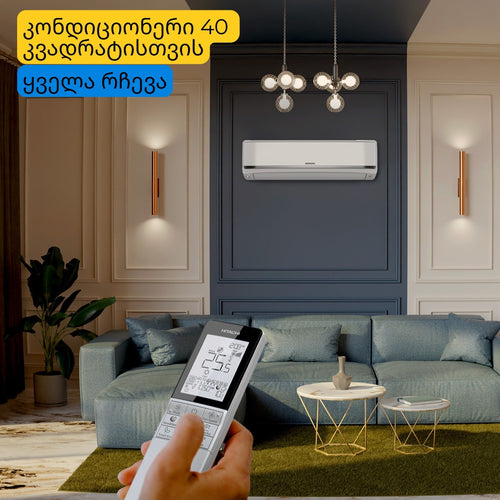
Air conditioner for 40 square meters - everything you need to know before buying
There are several important factors to consider when selecting the right air conditioner for a 40 m² room in 2025, en...
-
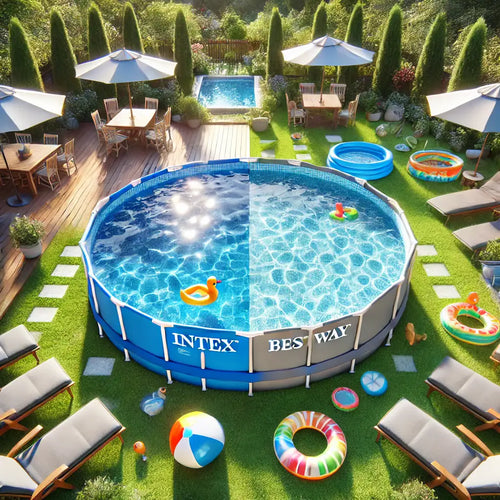
Intex or Bestway - which pool to choose?
When shopping for an outdoor framed pool, you've probably come across Bestway and Intex pools. Both brands offer a wi...
-

Overview of air conditioner features - what each one means
A modern air conditioner has many features, some of which are easy to guess by their names, but in advertising campai...
-
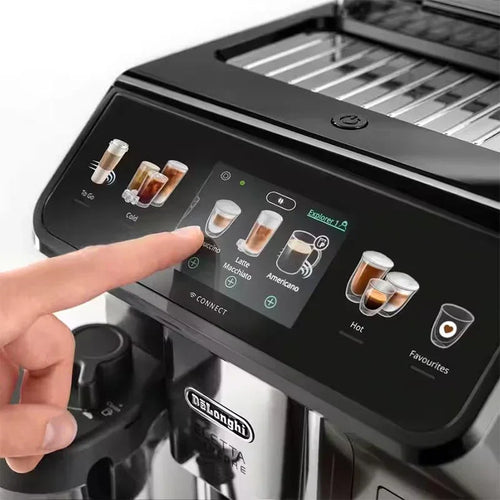
The most comprehensive review of DELONGHI coffee machines
DeLonghi is an Italian premium brand known for its high-quality home appliances, especially coffee machines . The com...
