
Basic components and information about a sewing machine!
Sewing machines are mechanical or electronic devices designed to automate and facilitate the process of sewing fabric and other materials. They are widely used for a variety of purposes, including sewing clothing, creating curtains, embroidery, and home decor.
Here are some basic components and information about sewing machines:
1. Needle: The needle is an important component of a sewing machine. It carries the thread and cuts the fabric to create stitches. There are different types and sizes of needles designed for different fabrics and sewing tasks.
2. Bobbin: The bobbin holds the lower thread. It works with the upper thread to create stitches. Modern sewing machines usually have a bobbin case or a drop-down bobbin system for easy sewing.

3. Presser: A presser is a mechanism that holds the fabric while sewing. There are different types of presses designed for different sewing techniques, such as zigzag stitches, straight stitches, and more.
4. Metal plates: Metal plates are placed under the press. They move in a circular motion to feed the fabric evenly into the machine during sewing.
5. Stitch selector: Sewing machines offer a variety of stitch options , such as straight stitches, zigzag stitches, decorative stitches, and more. You can usually select the stitch you want.
6. Pressure Control : Pressure control settings allow you to adjust the tension of the upper and lower threads, ensuring balanced and neat stitches.
7. Speed Control: Most sewing machines come with a foot pedal or speed control lever that allows you to adjust the sewing speed.
8. Thread guides: Sewing machines have numbered thread guides that help you use the machine correctly.
9. Rotating spindle: This feature allows you to quickly and evenly wind the thread onto the spindle.

10. Free arm: Some machines have a removable accessory called a free arm, which makes it easier to sew cylindrical or small pieces of fabric, such as cuffs and sleeves.
11. Automatic Features: Many modern sewing machines offer automatic features such as automatic needle threading, thread cutting, and stitch length/width adjustment.
12.Sewing machines come in two main types: computerized and manual. Computerized machines offer more automation and programmable stitches, while manual machines are simpler and may require manual adjustments.
13. Specialized machines: There are specialized sewing machines for specific tasks, such as sergers (overlock machines) for finishing edges, embroidery machines for intricate designs, etc.
14. Maintenance: Regular maintenance, such as cleaning and oiling, is essential for the smooth operation of a sewing machine and to extend its life.
A sewing machine is a versatile tool that serves both beginners and experienced seamstresses. Choosing the right sewing machine depends on your specific sewing needs and skill level.
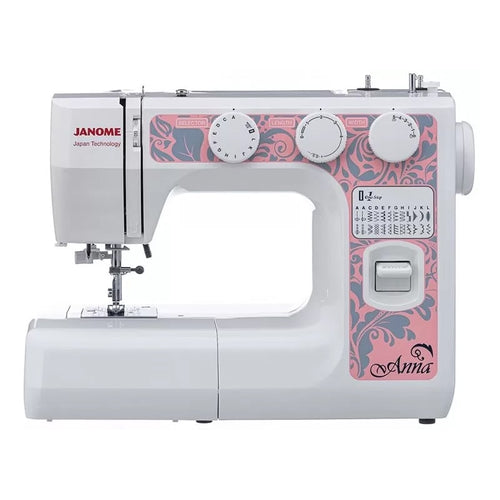
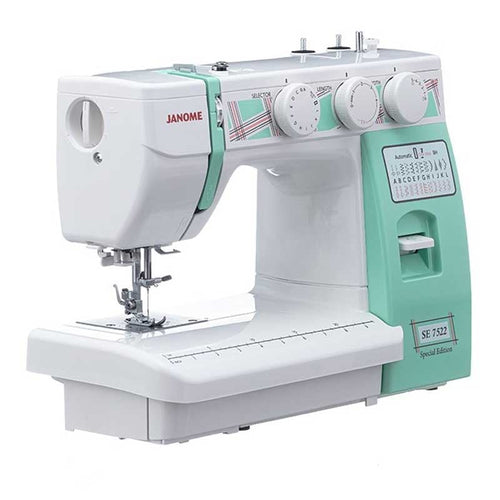
Popular models


 კომერციული გარანტია 1 წელი



შესაძლოა დაგაინტერესოთ
-
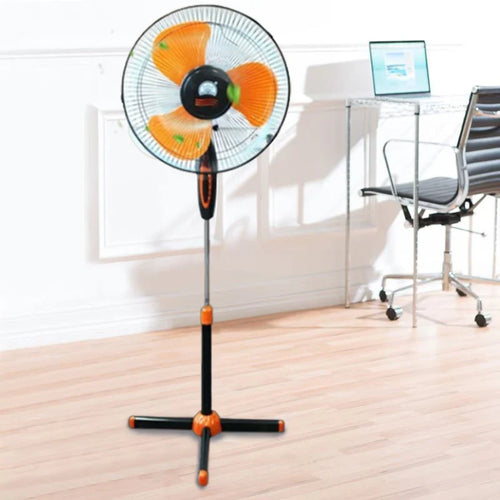
How to choose a fan?
As soon as summer arrives, the first thing that comes to mind is a fan . Fresh air circulation in the heat, rapid coo...
-
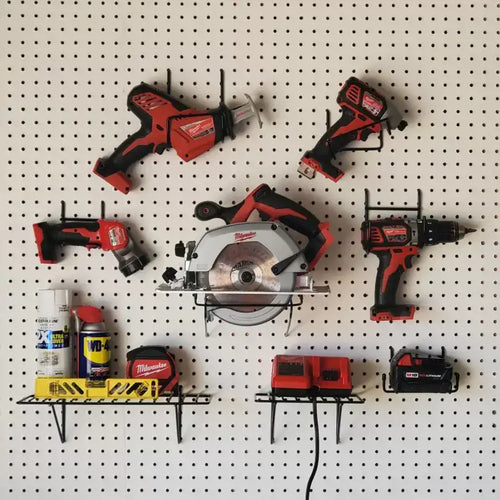
How to choose power tools in 2025?
Modern construction and repair work is unthinkable without quality power tools. Choosing the right tool is essential ...
-
How to choose a robot vacuum cleaner?
The question of how to choose a robot vacuum cleaner has been relevant since the appearance of these smart devices on...
-
How to set the refrigerator temperature?
Setting the refrigerator temperature correctly is essential to ensure that products retain their nutritional value fo...
-
Air conditioner for 40 square meters - everything you need to know before buying
There are several important factors to consider when selecting the right air conditioner for a 40 m² room in 2025, en...
-
Intex or Bestway - which pool to choose?
When shopping for an outdoor framed pool, you've probably come across Bestway and Intex pools. Both brands offer a wi...
-
Overview of air conditioner features - what each one means
A modern air conditioner has many features, some of which are easy to guess by their names, but in advertising campai...
-
The most comprehensive review of DELONGHI coffee machines
DeLonghi is an Italian premium brand known for its high-quality home appliances, especially coffee machines . The com...
