
What is the importance of a blood pressure monitor for you and your health?
Thanks to affordable digital technology, you now have access to the same high-precision blood pressure machines (blood pressure monitors) that doctors use.
In fact, your results will help a medical professional make a diagnosis, simply because, unlike them, you can take repeated measurements at home over an extended period of time.
Studies have shown that people who control their blood pressure are more likely to control hypertension. And your doctor can adjust your medication based on the data you provide, so it always meets your current needs.

Blood pressure monitors are also a powerful motivator: Because hypertension is often asymptomatic, you don't know about your blood pressure unless you look at the numbers on the screen at regular intervals. Like blood sugar meters for people with diabetes, they are a great example of digital technology improving our quality of life.
Who can use a pressure washer?
- Closer monitoring is needed than random visits to the doctor provide.
- You are pregnant.
- You are diabetic.
- You've had high readings from your doctor, but you need to confirm whether you have high blood pressure. This can be a particular problem if you have white matter hypertension—in other words, your blood pressure goes up whenever you're in a medical setting.
- You have started taking blood pressure medication and need to check if it is working.

Types of pressure equipment
There are two main types of home blood pressure monitors: arm cuffs and wrist cuffs. Others measure blood pressure through the finger and are less reliable.
Both types are automatic, so the cuff inflates itself and the meter displays the pressure. Make sure the cuff fits: Most models come with a medium-sized cuff, and you may need to order a larger or smaller size if necessary.
Do some research online before you buy. Also, most machines are very accurate, but make sure your monitor is clinically validated. Choose one with user-friendly controls and an easy-to-read screen.
შესაძლოა დაგაინტერესოთ
-
How to choose a fan?
As soon as summer arrives, the first thing that comes to mind is a fan . Fresh air circulation in the heat, rapid coo...
-
How to choose power tools in 2025?
Modern construction and repair work is unthinkable without quality power tools. Choosing the right tool is essential ...
-
How to choose a robot vacuum cleaner?
The question of how to choose a robot vacuum cleaner has been relevant since the appearance of these smart devices on...
-
How to set the refrigerator temperature?
Setting the refrigerator temperature correctly is essential to ensure that products retain their nutritional value fo...
-
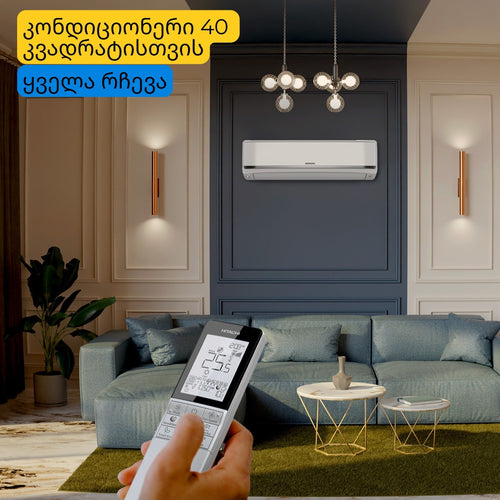
Air conditioner for 40 square meters - everything you need to know before buying
There are several important factors to consider when selecting the right air conditioner for a 40 m² room in 2025, en...
-

Intex or Bestway - which pool to choose?
When shopping for an outdoor framed pool, you've probably come across Bestway and Intex pools. Both brands offer a wi...
-
Overview of air conditioner features - what each one means
A modern air conditioner has many features, some of which are easy to guess by their names, but in advertising campai...
-
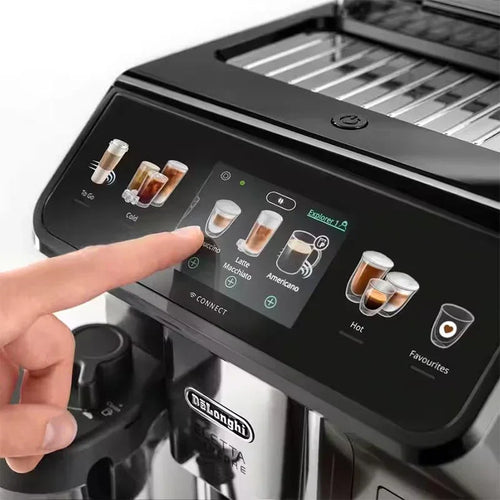
The most comprehensive review of DELONGHI coffee machines
DeLonghi is an Italian premium brand known for its high-quality home appliances, especially coffee machines . The com...
