
Juicer vs Blender
If your goal is to enrich your daily diet with as many nutrients as possible, starting your morning with natural juices, you should definitely have a juicer that is suitable for you, so that you are not disappointed with the juicer's capabilities and do not give up on enriching your body with vitamins because of this.

Our advice is to not fall for the common misconception that a blender can achieve the same results as a juicer. It's important to know the capabilities of both and make your own choice about when to use which.
A blender and a juicer are two different machines with very different purposes. Yes, both process produce into a nutritious drink, but the way they are prepared and the end result are not necessarily the same.
A juicer separates the juice and fiber, leaving only the juice to drink, while the rest of the fibrous pulp is simply waste. This means that with 1 cup, you can provide your body with many more vitamins and nutrients than by consuming the same amount (1 cup) of unjuiced product.
A blender processes the entire product, including the fiber. This results in a thicker drink called a smoothie. Smoothies usually take longer to digest, but you've consumed more food by volume, which keeps you fuller for longer.
What does a good juicer require?!
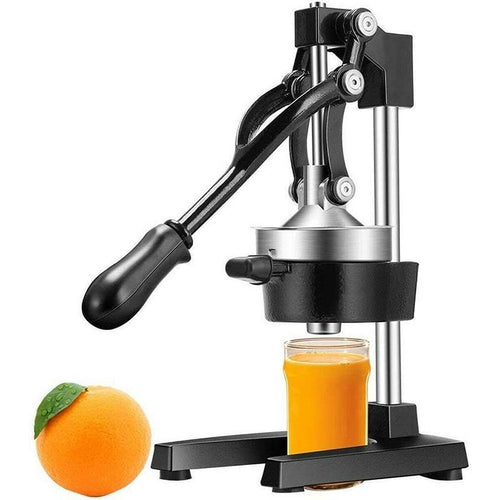
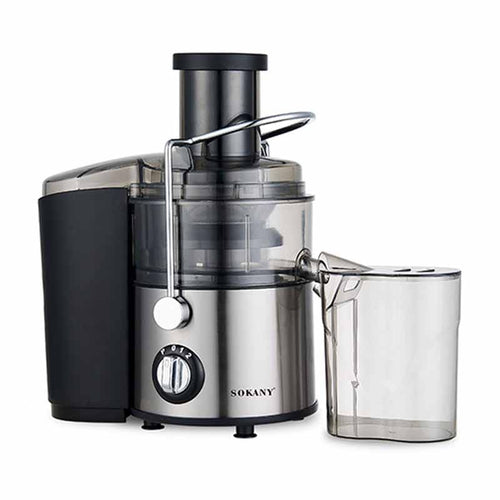
First of all, don't let the name fool you. It can juice both fruits and vegetables with equal success. As we've already mentioned, a universal juicer simplifies the process of extracting juice from fresh, pressed produce.

There are already well-tested juicers in home appliance laboratories that can help you improve the quality of your life.
There is no need to be radical when comparing a blender and a juicer. No one is asking us to choose one over the other. In a well-equipped kitchen, it is easy to accommodate both a juicer and a blender and use them wisely, depending on the need.
If you are looking for a tomato juicer, then be sure to visit our previous blog.
Popular models

 ხარისხის გარანტია



შესაძლოა დაგაინტერესოთ
-
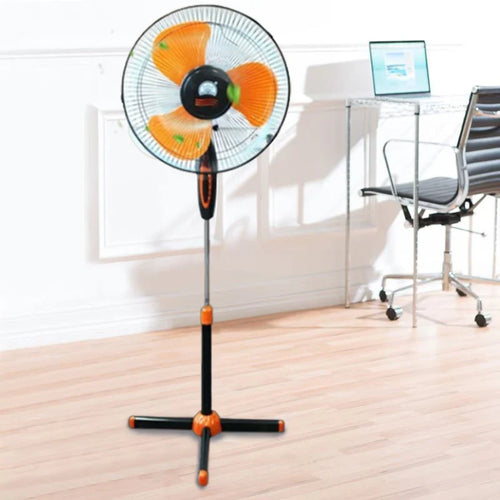
How to choose a fan?
As soon as summer arrives, the first thing that comes to mind is a fan . Fresh air circulation in the heat, rapid coo...
-
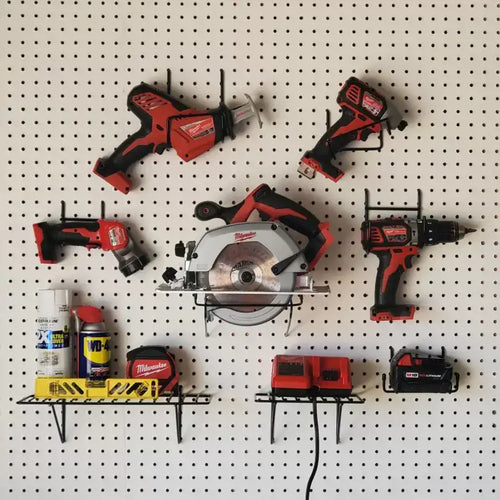
How to choose power tools in 2025?
Modern construction and repair work is unthinkable without quality power tools. Choosing the right tool is essential ...
-

How to choose a robot vacuum cleaner?
The question of how to choose a robot vacuum cleaner has been relevant since the appearance of these smart devices on...
-
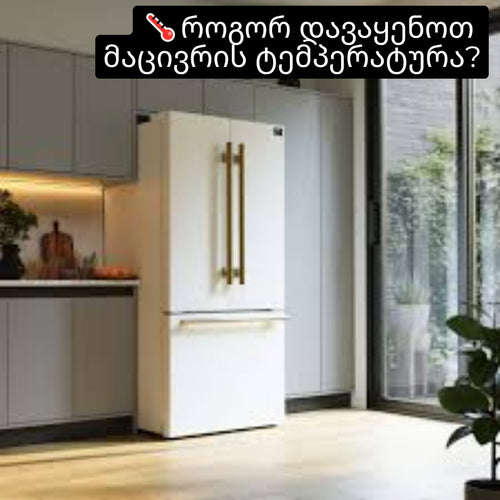
How to set the refrigerator temperature?
Setting the refrigerator temperature correctly is essential to ensure that products retain their nutritional value fo...
-

Air conditioner for 40 square meters - everything you need to know before buying
There are several important factors to consider when selecting the right air conditioner for a 40 m² room in 2025, en...
-

Intex or Bestway - which pool to choose?
When shopping for an outdoor framed pool, you've probably come across Bestway and Intex pools. Both brands offer a wi...
-

Overview of air conditioner features - what each one means
A modern air conditioner has many features, some of which are easy to guess by their names, but in advertising campai...
-
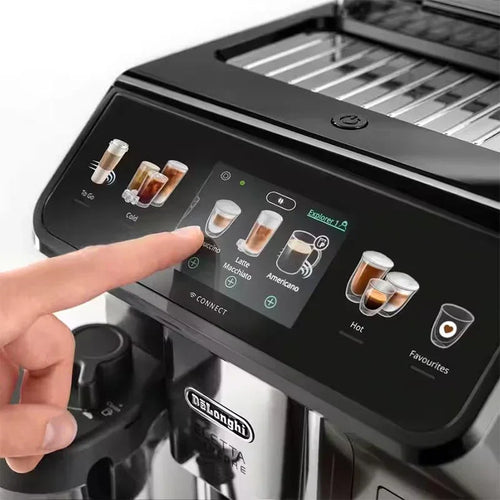
The most comprehensive review of DELONGHI coffee machines
DeLonghi is an Italian premium brand known for its high-quality home appliances, especially coffee machines . The com...
