
The history of the invention of headphones
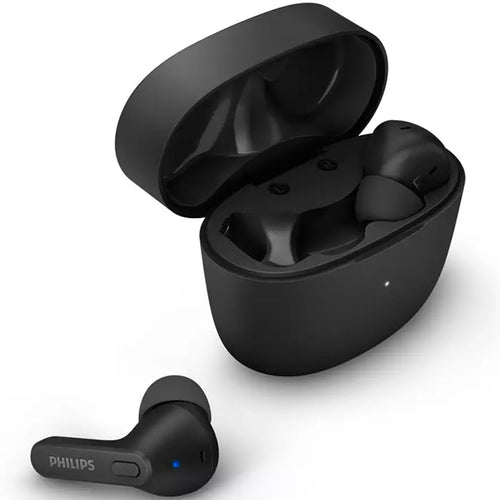
Headphones are a pair of small speaker drivers that are worn on, over, or around the user's ears.
These are electroacoustic transducers that convert an electrical signal into a corresponding sound. Headphones allow you to listen to audio sounds. Headphones are connected to a signal source, such as an audio amplifier, radio, CD player , portable media player, mobile phone, video game console or electronic musical instrument, using a cable, or using wireless technology such as Bluetooth, DECT or FM. Radio.

The first headphones were created in the late 19th century for use by telephone operators to free their hands.
Headphones were invented because of the need to free one's hands while working on the telephone. By the 1880s, shortly after the invention of the telephone, telephone operators began using earpiece-like devices (the precursor to the modern headset) to mount the telephone receiver. The receiver was attached to the head with a clip that held it next to the ear.
In the 1890s, the British company Electrophone developed a listening device with two earphones - one that did not fit over the head. The device created a listening system over telephone lines that allowed users to connect to live broadcasts of performances at London's theatres and opera houses. Subscribers to the service could listen to the performance through massive earphones that were connected below the chin and held by a long stem.

Modern headphones were developed later, along with the development of wireless telegraphy , which was the precursor to radio broadcasting. Some early wireless telegraph developers chose to use the loudspeaker of a telephone receiver as a detector for the electrical signal of the wireless receiving circuit.
By 1902, wireless telegraph innovators such as Lee de Forest were using two telephone receivers mounted together to listen to the signal from the receiving circuit.
Popular models


 კომერციული გარანტია 1 წელი




შესაძლოა დაგაინტერესოთ
-
How to choose a fan?
As soon as summer arrives, the first thing that comes to mind is a fan . Fresh air circulation in the heat, rapid coo...
-
How to choose power tools in 2025?
Modern construction and repair work is unthinkable without quality power tools. Choosing the right tool is essential ...
-
How to choose a robot vacuum cleaner?
The question of how to choose a robot vacuum cleaner has been relevant since the appearance of these smart devices on...
-

How to set the refrigerator temperature?
Setting the refrigerator temperature correctly is essential to ensure that products retain their nutritional value fo...
-
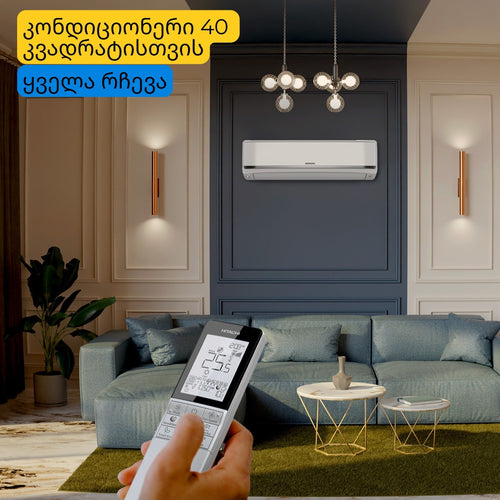
Air conditioner for 40 square meters - everything you need to know before buying
There are several important factors to consider when selecting the right air conditioner for a 40 m² room in 2025, en...
-

Intex or Bestway - which pool to choose?
When shopping for an outdoor framed pool, you've probably come across Bestway and Intex pools. Both brands offer a wi...
-
Overview of air conditioner features - what each one means
A modern air conditioner has many features, some of which are easy to guess by their names, but in advertising campai...
-
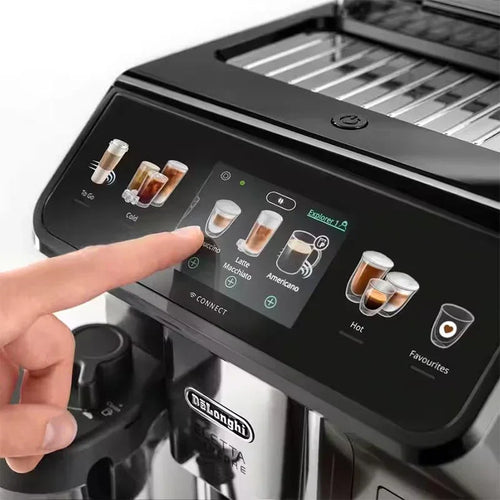
The most comprehensive review of DELONGHI coffee machines
DeLonghi is an Italian premium brand known for its high-quality home appliances, especially coffee machines . The com...
