
Blender, its working principle and characteristics
A blender is a kitchen appliance used for mixing, blending, and pureeing foods and other substances.
A stand blender consists of a blender container with a rotating metal blade at the bottom, which is powered by an electric motor located in the base. Some powerful models can also crush ice and other frozen foods.
Newer blender models have a motor on top, connected by a shaft to a rotating blade at the bottom that can be used with any container.

Features
Different blenders have different features and functions, but product testing indicates that many blenders, even those that are less expensive, are useful in meeting the needs of many users. Features that consumers consider when purchasing a blender include the following:
- Visible measurement marks
- Ease of use
- Low noise during use
- Power consumption (typically 300-1000 watts)
- Ease of cleaning
- Quick mixing option

Learn what a blender is made of
The blender consists of a housing, motor, blades, and food container. The fan-cooled electric motor is mounted in the housing with vibration dampers. A small output shaft extends into the upper housing and engages the blade assembly.
Usually, a small rubber washer provides a seal around the output shaft to prevent fluid from entering the engine.
Most blenders today have multiple speeds. Since a typical blender does not have a gearbox, multiple speeds are often implemented using a universal motor.
By means of a mechanical speed regulator that balances the force provided by the flywheel against the force of the spring, which is changed by the control knob when it is shifted into a higher speed range. With this arrangement, when the blender is not set to Stir speed, the motor speed is constant, even with varying loads, up to the point where the power required by the load equals the motor's power capability at a particular speed. A more modern version of this arrangement is the electronic speed control, found on some models.
Popular models

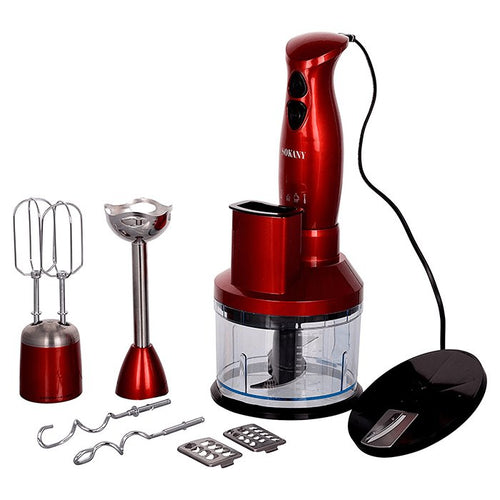
 კომერციული გარანტია 3 თვე




შესაძლოა დაგაინტერესოთ
-
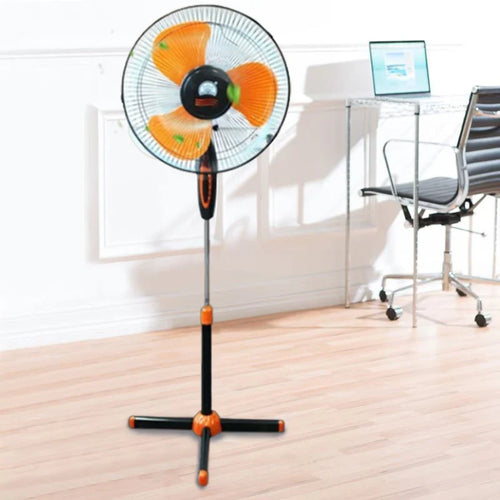
How to choose a fan?
As soon as summer arrives, the first thing that comes to mind is a fan . Fresh air circulation in the heat, rapid coo...
-
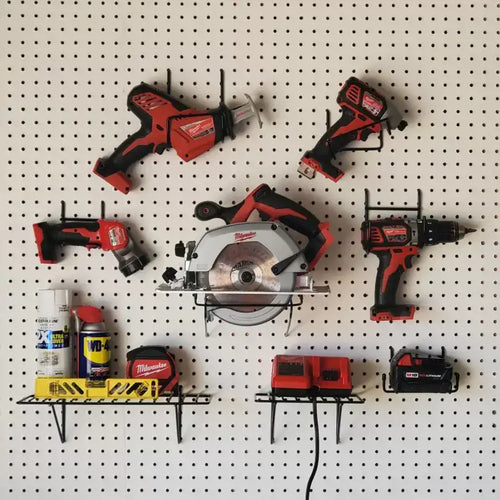
How to choose power tools in 2025?
Modern construction and repair work is unthinkable without quality power tools. Choosing the right tool is essential ...
-

How to choose a robot vacuum cleaner?
The question of how to choose a robot vacuum cleaner has been relevant since the appearance of these smart devices on...
-
How to set the refrigerator temperature?
Setting the refrigerator temperature correctly is essential to ensure that products retain their nutritional value fo...
-
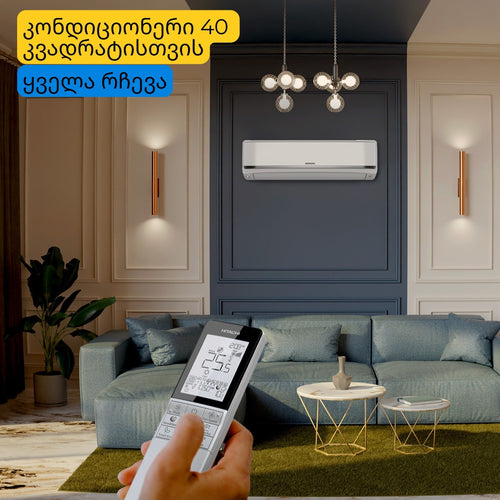
Air conditioner for 40 square meters - everything you need to know before buying
There are several important factors to consider when selecting the right air conditioner for a 40 m² room in 2025, en...
-

Intex or Bestway - which pool to choose?
When shopping for an outdoor framed pool, you've probably come across Bestway and Intex pools. Both brands offer a wi...
-

Overview of air conditioner features - what each one means
A modern air conditioner has many features, some of which are easy to guess by their names, but in advertising campai...
-
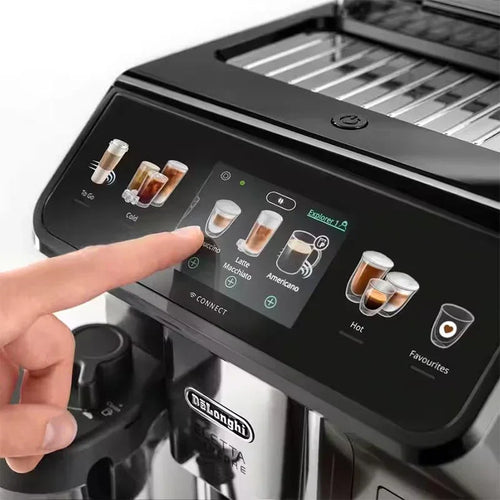
The most comprehensive review of DELONGHI coffee machines
DeLonghi is an Italian premium brand known for its high-quality home appliances, especially coffee machines . The com...
