
Fan, a way to cool the body!
A fan is an electrically powered mechanism used to create air flow. A fan consists of a rotating arrangement of blades that act on the air. The arrangement and position of the blades and hub determine the frequency of the air flow and also the safety of preventing the fan from crossing over obstacles.
Most fans are powered by electric motors, but other power sources can be used, including hydraulic motors and internal combustion engines.
The arrangement of the rotating blades of a mechanical fan can be imagined in any shape or form that can be used to produce air flow.

Fans produce air flow at a higher volume and lower pressure (although higher than atmospheric pressure), unlike a compressor, which produces high pressure at a relatively low volume.
You should know that the rotating blades of a fan often spin when the air is subjected to a fluid flow. Other devices, such as anemometers and wind turbines, have similar fan designs for this very reason.
Typically, and especially in 21st century architecture and design, climate control and personal thermal comfort are considered from the outset. For example, an electric desk or floor fan; cooling systems in a car engine, for example, in front of the radiator; cooling systems in devices, such as computers and audio power amplifiers; and/or even grain sorting, dust removal, vacuum suction, etc. - in such cases, the role of the fan is defined from the outset and, in its original form, the fan is installed during the manufacturing process.

Although fans are often used by people to cool themselves, they do not cool them by cooling the air. They can only provide temporary cooling through the convection of heat due to the evaporation of sweat and the strong flow of air.
To summarize, a fan may be ineffective at cooling the body if the surrounding air is close to body temperature and also contains high humidity.
Wood, plastic, or metal are mainly used to make the rotating blades of a fan.
See our previous blog for an overview of compact and smart fans.
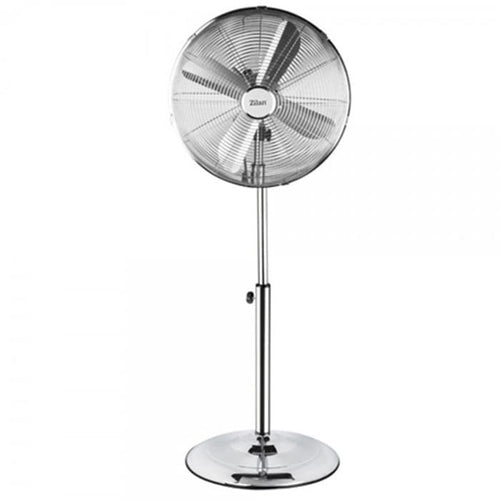
Popular models

 კომერციული გარანტია 1 წელი


შესაძლოა დაგაინტერესოთ
-
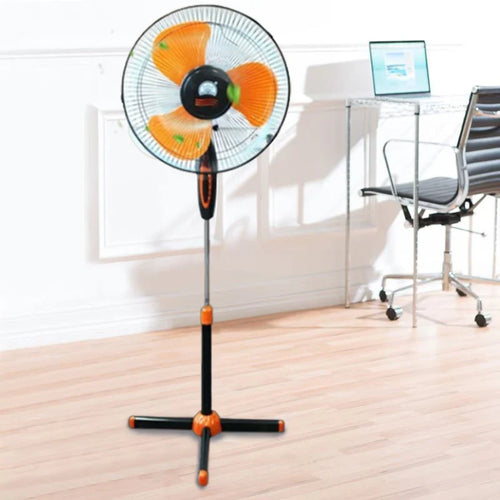
How to choose a fan?
As soon as summer arrives, the first thing that comes to mind is a fan . Fresh air circulation in the heat, rapid coo...
-
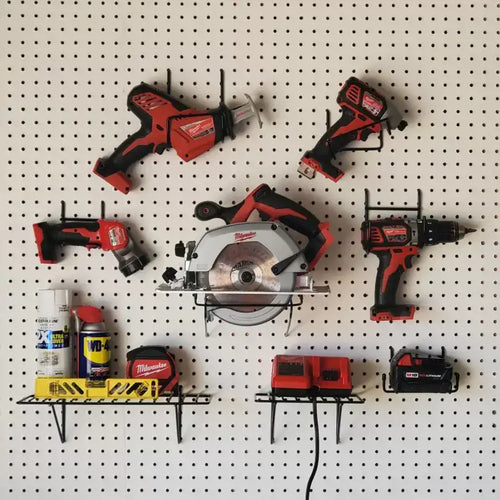
How to choose power tools in 2025?
Modern construction and repair work is unthinkable without quality power tools. Choosing the right tool is essential ...
-

How to choose a robot vacuum cleaner?
The question of how to choose a robot vacuum cleaner has been relevant since the appearance of these smart devices on...
-

How to set the refrigerator temperature?
Setting the refrigerator temperature correctly is essential to ensure that products retain their nutritional value fo...
-
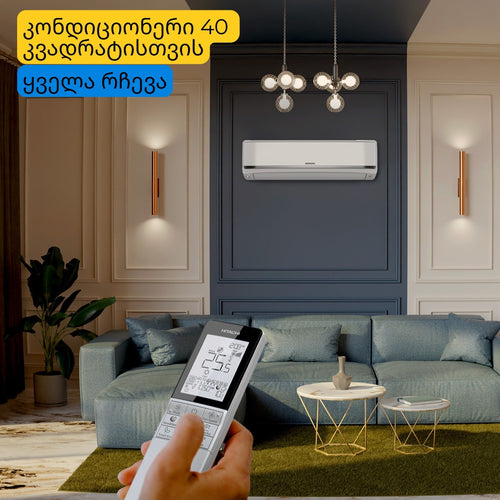
Air conditioner for 40 square meters - everything you need to know before buying
There are several important factors to consider when selecting the right air conditioner for a 40 m² room in 2025, en...
-

Intex or Bestway - which pool to choose?
When shopping for an outdoor framed pool, you've probably come across Bestway and Intex pools. Both brands offer a wi...
-

Overview of air conditioner features - what each one means
A modern air conditioner has many features, some of which are easy to guess by their names, but in advertising campai...
-
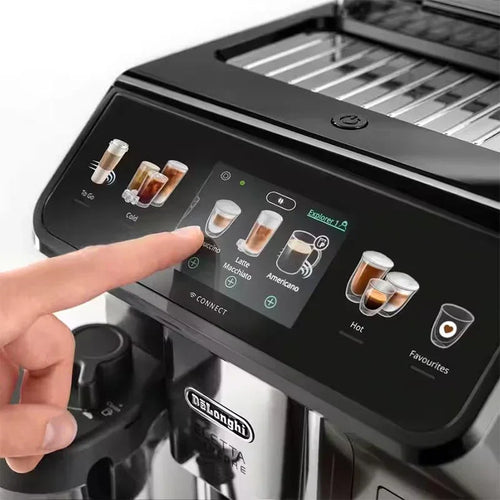
The most comprehensive review of DELONGHI coffee machines
DeLonghi is an Italian premium brand known for its high-quality home appliances, especially coffee machines . The com...
