
Liquid crystal television equipment
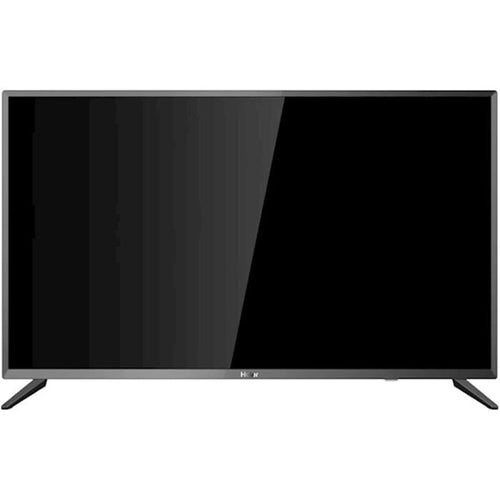
Liquid crystal television device - two transparent panels with a layer of liquid crystals placed between them.
The image on this type of screen does not flicker. This is because, unlike cinescopic screens, the image is displayed in rows.
LCD TVs are characterized by low power consumption and excellent image quality. Their screens do not burn out over time because they do not generate electromagnetic waves like plasma, which is why they can also be used as computer monitors.

LCD TVs generate less heat and consume less electricity . The disadvantage of LCD TVs is that they do not have good visibility.
In the case of a large viewing angle , image quality is still lost, even though 170 degrees or more are indicated in their technical passport.
Also, this type of TV has a problem with response time. This means that the image degrades during rapid image changes.
This is especially noticeable when we are interested in Android TVs .
Compared to plasma, it has a lower quality black color, which is more gray than black.
Liquid crystal TVs range in size from 110 inches to 110 inches, and the price increases with size. The lifespan of an LCD TV, like a plasma, is 60,000 to 100,000 hours. However, if there is no other damage, it is possible to replace its light source rather than the screen, which is associated with lower costs.
There are two main methods of backlighting liquid crystal televisions - based on a lamp with a cold cathode - CCFL and based on a diode indicator - LED (Light-Emitting Diode).
LED TVs are distinguished by even higher contrast and natural colors, because in LCD TVs, the lamp with a cold cathode illuminates the entire screen, while in LED TVs, depending on the number of diodes, the control scheme dims several diodes in the area where it is needed.
Take a look at the best smart TVs of 2019 , based on numerous international reviews.
Also, LED TVs are much thinner than LCD, consume even less electricity, and have a longer lifespan.
Popular models


 კომერციული გარანტია 2 წელი




შესაძლოა დაგაინტერესოთ
-
How to choose a fan?
As soon as summer arrives, the first thing that comes to mind is a fan . Fresh air circulation in the heat, rapid coo...
-
How to choose power tools in 2025?
Modern construction and repair work is unthinkable without quality power tools. Choosing the right tool is essential ...
-
How to choose a robot vacuum cleaner?
The question of how to choose a robot vacuum cleaner has been relevant since the appearance of these smart devices on...
-
How to set the refrigerator temperature?
Setting the refrigerator temperature correctly is essential to ensure that products retain their nutritional value fo...
-
Air conditioner for 40 square meters - everything you need to know before buying
There are several important factors to consider when selecting the right air conditioner for a 40 m² room in 2025, en...
-
Intex or Bestway - which pool to choose?
When shopping for an outdoor framed pool, you've probably come across Bestway and Intex pools. Both brands offer a wi...
-
Overview of air conditioner features - what each one means
A modern air conditioner has many features, some of which are easy to guess by their names, but in advertising campai...
-
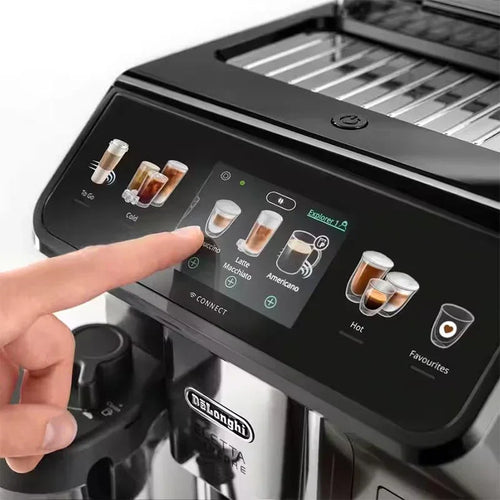
The most comprehensive review of DELONGHI coffee machines
DeLonghi is an Italian premium brand known for its high-quality home appliances, especially coffee machines . The com...
