
The history of linen!
What is linen?
Linen is a strong, lightweight fabric made from the flax plant. The word linen comes from the Latin word for line, because the threads of the fabric are woven in straight lines. The use of linen dates back to ancient Mesopotamia. In ancient times, it was mainly used to cover tombs and wrap mummies. This is evidenced by the intact linen fabric found in one of the last tombs, which proves its durability. The ancient Egyptians were the first to mass-produce linen, and over time, the textile even became a trade currency among wealthy Egyptians. On the human side, the culture of using linen is so deep that we even find a record of it in the Bible. In particular, the Old Testament says that laypeople should not mix linen and wool, while in the New Testament we read about angels who consume linen.

Where is the linen made?
As already mentioned, linen fabric is made from the flax plant. France and Belgium are considered the best environment for growing flax plants, however, this culture is also quite widespread in other countries. Flax is already grown in countries such as China, Canada, Italy, Tunisia. From these countries, the plants are exported all over the world, then they are processed and turned into linen fabric. It is known that European factories produce the best quality linen. Among them, Italian factories stand out, where the linen produced has earned a reputation as the most durable and soft.
In recent years, like many other fabrics, much of the production of linen has moved from Europe to Asia, particularly China. China is now the leading exporter of linen, with the largest linen factory in Harbin.

How is linen made?
Although linen is often compared to cotton, the process of making linen is very laborious and expensive. The reason for this is that flax fibers are difficult to weave. To maintain the length of the fibers, flax plants are not cut from the ground, but are thrown away. They are then left in the field so that the flax fibers can easily break down. The extracted fibers are stored for several months to soften them even better and, after being cleaned of excess dirt, the fibers begin to be twisted and spun in a wet state. This makes the yarn softer.
Long fibers are used in the production of household linens, while short fibers are used for things like furniture or threads for sewing fabrics.
Popular models


 ხარისხის გარანტია


შესაძლოა დაგაინტერესოთ
-
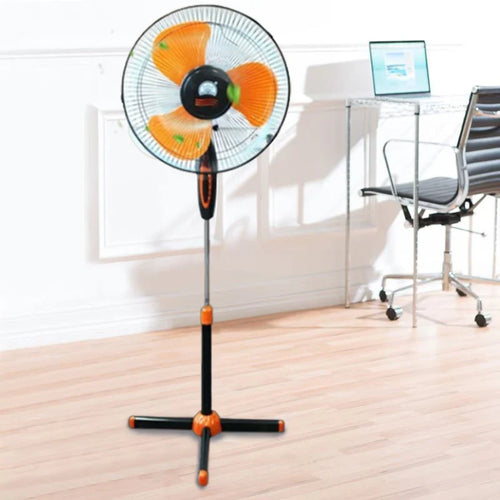
How to choose a fan?
As soon as summer arrives, the first thing that comes to mind is a fan . Fresh air circulation in the heat, rapid coo...
-
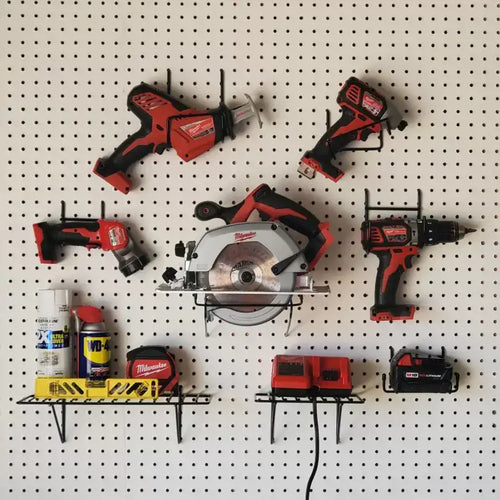
How to choose power tools in 2025?
Modern construction and repair work is unthinkable without quality power tools. Choosing the right tool is essential ...
-

How to choose a robot vacuum cleaner?
The question of how to choose a robot vacuum cleaner has been relevant since the appearance of these smart devices on...
-

How to set the refrigerator temperature?
Setting the refrigerator temperature correctly is essential to ensure that products retain their nutritional value fo...
-

Air conditioner for 40 square meters - everything you need to know before buying
There are several important factors to consider when selecting the right air conditioner for a 40 m² room in 2025, en...
-

Intex or Bestway - which pool to choose?
When shopping for an outdoor framed pool, you've probably come across Bestway and Intex pools. Both brands offer a wi...
-

Overview of air conditioner features - what each one means
A modern air conditioner has many features, some of which are easy to guess by their names, but in advertising campai...
-

The most comprehensive review of DELONGHI coffee machines
DeLonghi is an Italian premium brand known for its high-quality home appliances, especially coffee machines . The com...
