
Types of milling cutters - how to extend their service life
Milling is one of the most common machining methods. In terms of performance and practicality, milling is almost unmatched by any other machining method.
Electric milling cutter - a cutting tool for wood or metal, or both , that has one or more teeth.
Depending on the design of the milling cutter and the sharpness of its blade, it is used for processing metal, plastic, and wood. The tool is placed in a special holder and allows for its rapid rotation, which is quite important for processing.
Because a milling cutter can perform many operations, different types, shapes, and sizes of milling cutters have been developed.

Metal milling cutter - A metal milling cutter is used to process steel, cast iron, aluminum, and similar metals. The tool's blade is made of high-speed steel.
There are different types of the instrument, based on its structural differences.
As for wood milling, since wood is much "softer", a modern wood milling cutter differs from a metal milling cutter in size and cost.
It also has a higher speed. The tool blade is mounted manually on a work milling machine or stationary machine.
However, the visual difference between metal and wood milling is not significant.
A milling cutter is a rotating tool that touches the surface of a workpiece during machining, and has cutting teeth carved into its surface.
The shape of the initial object of rotation depends on the surface shape of the workpiece and the location of the milling cutter axis relative to this workpiece.
How to extend the life of a milling cutter?
In order for a milling cutter to last a long time, it must first be properly and precisely clamped in the machine. If this is not done, the cutting surface can be removed during rapid rotation, rendering it unusable.
To prevent this, it is also necessary not only to securely fasten it, but also to stop periodically during work. Its precise fixation must be checked often, as the tool can weaken at times.
The next essential rule is the correct selection of the milling cutter. It is not worth using a tool whose density is practically the same as the workpiece. Otherwise, the contact intensity between the two will be approximately identical, as a result of which the cutting object will quickly wear out, and the workpiece will overheat.
The next rule is the correct selection of speed. The optimal option for its rotation frequency is usually indicated on the packaging of the milling cutter. Without taking this into account, at a higher speed, the tool may overheat or break the tooth.
The metal gets very hot during operation, so it is necessary to stop in time to neutralize this.
After each treatment, the cutter should be cleaned and stored away from humid air.
** The blog post is in test mode, we look forward to your feedback.
შესაძლოა დაგაინტერესოთ
-
How to choose a fan?
As soon as summer arrives, the first thing that comes to mind is a fan . Fresh air circulation in the heat, rapid coo...
-
How to choose power tools in 2025?
Modern construction and repair work is unthinkable without quality power tools. Choosing the right tool is essential ...
-

How to choose a robot vacuum cleaner?
The question of how to choose a robot vacuum cleaner has been relevant since the appearance of these smart devices on...
-
How to set the refrigerator temperature?
Setting the refrigerator temperature correctly is essential to ensure that products retain their nutritional value fo...
-

Air conditioner for 40 square meters - everything you need to know before buying
There are several important factors to consider when selecting the right air conditioner for a 40 m² room in 2025, en...
-

Intex or Bestway - which pool to choose?
When shopping for an outdoor framed pool, you've probably come across Bestway and Intex pools. Both brands offer a wi...
-
Overview of air conditioner features - what each one means
A modern air conditioner has many features, some of which are easy to guess by their names, but in advertising campai...
-
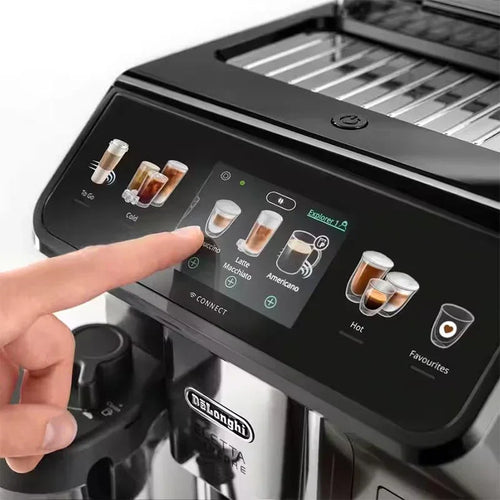
The most comprehensive review of DELONGHI coffee machines
DeLonghi is an Italian premium brand known for its high-quality home appliances, especially coffee machines . The com...
