
FM and MP3 modulators - the basics of modern audio technology
In the modern world, audio technologies are an integral part of our daily lives. Among these technologies, FM and MP3 modulators are particularly important, playing a revolutionary role in sound transmission and storage. In this blog, we will get acquainted with the essence of these two technologies, their working principles and areas of application.
FM modulator
FM, or frequency modulation, is a method of transmitting radio signals that was first developed in the 1930s.
How does an FM modulator work?- An FM modulator receives an audio signal (voice or music).
- This signal is used to modulate a higher frequency "carrier" signal.
- Modulation changes the frequency of the carrier signal in accordance with the amplitude of the audio signal.
- The receiving device then demodulates this signal and restores the original audio.
- High quality sound with less noise and interference.
- Better signal quality over long distances.
- Stereo signals can be transmitted.
- FM radio broadcasting
- Wireless microphones
- Satellite communication

MP3 modulator
MP3 (MPEG-1 Audio Layer 3) is an audio coding format developed in the 1990s. It proved revolutionary for the storage and distribution of digital audio.
How does an MP3 modulator work?- The MP3 modulator receives a digital audio signal.
- Uses a psychoacoustic model to determine which sound elements are less important to human hearing.
- Removes or reduces this "extra" information.
- Compresses the remaining audio data.
- Significantly reduces file size with minimal quality loss.
- Universally supported on almost all devices.
- Allows you to choose a compression level to balance quality and file size.
Areas of application:
- Digital music distribution and storage
- Online streaming
- Podcasts and audiobooks

Comparison of FM and MP3 modulators
Although both technologies work with audio, there are significant differences between them:
- Scope of application: FM is mainly used for real-time transmission, while MP3 is used for storage and asynchronous distribution.
- Quality: FM may provide higher quality, but MP3 has the advantage of compactness.
- Flexibility: MP3 is more flexible and can be used at different quality levels.
FM and MP3 modulators are two major advancements in audio technology. Although they serve different purposes, both play a crucial role in the modern audio landscape. FM's high quality and real-time transmission capabilities are still relevant for radio broadcasting, while MP3's compactness and versatility make it ideal for storing and distributing digital audio. Both technologies continue to evolve and adapt to the changing technological landscape.
შესაძლოა დაგაინტერესოთ
-

How to choose a fan?
As soon as summer arrives, the first thing that comes to mind is a fan . Fresh air circulation in the heat, rapid coo...
-

How to choose power tools in 2025?
Modern construction and repair work is unthinkable without quality power tools. Choosing the right tool is essential ...
-

How to choose a robot vacuum cleaner?
The question of how to choose a robot vacuum cleaner has been relevant since the appearance of these smart devices on...
-

How to set the refrigerator temperature?
Setting the refrigerator temperature correctly is essential to ensure that products retain their nutritional value fo...
-
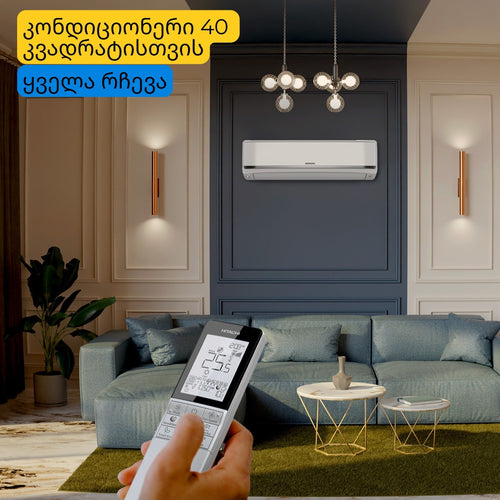
Air conditioner for 40 square meters - everything you need to know before buying
There are several important factors to consider when selecting the right air conditioner for a 40 m² room in 2025, en...
-

Intex or Bestway - which pool to choose?
When shopping for an outdoor framed pool, you've probably come across Bestway and Intex pools. Both brands offer a wi...
-

Overview of air conditioner features - what each one means
A modern air conditioner has many features, some of which are easy to guess by their names, but in advertising campai...
-
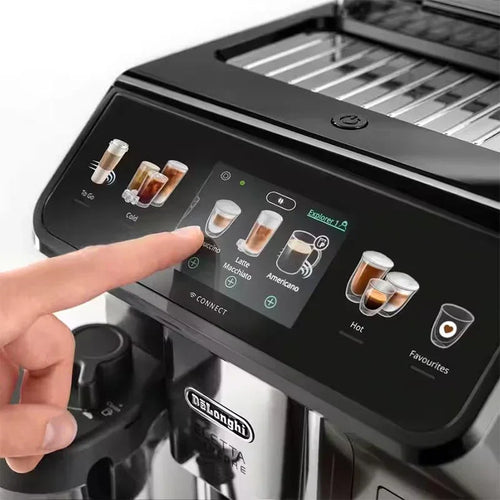
The most comprehensive review of DELONGHI coffee machines
DeLonghi is an Italian premium brand known for its high-quality home appliances, especially coffee machines . The com...
