
Did you understand what the main difference is between electric and mechanical tile cutters?
Which is the best tile cutter? A manual tile cutter or an electric tile cutter? These are the two best tile cutters. Cutting tools for tile workers. But which one should you choose? It depends on the specific job, the materials you're cutting, and your workspace.
Cutting tiles is the only way to complete most projects.
Your two best tile cutting options are a manual tile cutter and an electric tile cutter. A mechanical tile cutter Cutters usually take less time, are more convenient and easier to use, but are limited to straight cuts. Electric tile cutters take longer. For cutting slabs, it requires more skill to use, but can cut all the cuts needed on the job.

Tiles
Tiles are made from a variety of materials. Ceramic tiles, clay tiles , and porcelain tiles are the types of tiles you'll typically find in a store.
Ceramic tiles are made from sand, water, and clay. The materials are shaped into squares and then fired in a kiln to remove moisture. Porcelain tiles are made from a denser type of clay than ceramic tiles. Clay tiles are made entirely of clay. Ceramic, porcelain, and clay tiles are made for indoor use or roofing.
Tile types such as glass, cork, concrete and natural stone are used for any other space. There is no rule that dictates which tile you can or cannot use for a project.

Mechanical tile cutter
Everyone should have a mechanical tile cutter in their toolbox. The tiles are placed inside the cutters and cut.
Some harder material tiles can be difficult to cut and trim, so we recommend using an extreme or durable wheel that cuts deeper into the tile surface, allowing for easy and precise cutting.
Harder or deeper sections of tiles can cause damage to the delicate enamel of the tile during cutting, so you should use a lighter cutter, with a 6mm or 8mm wheel.
However, manual tile cutters have some serious advantages. They are cheaper than electric tile cutters, portable, and don't require any complicated skills to operate. (You do need some skill to lay your tiles, though.)
A manual tile cutter works best for small kitchens and small projects that have a lot of straight cuts and projects where using an electric tile cutter is inappropriate due to space/area limitations.

Electric tile cutter
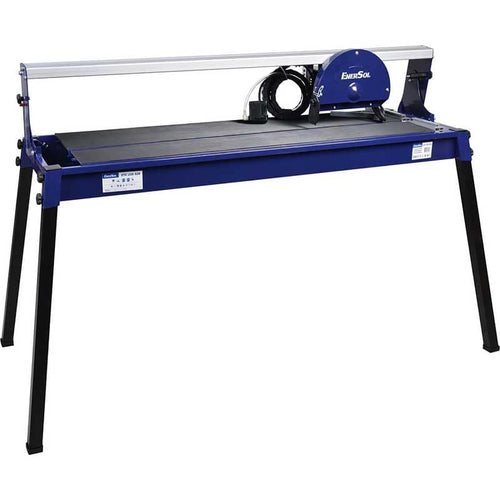
At first glance, an electric tile cutter looks like a table saw. The rotating blade cuts the tile, while the guard keeps your tile straight.
Water is sprayed around the cutting blade to keep the tile from getting too hot and burning and to keep the cutting edge cool. Some cutters come with a water reservoir, while others can be connected to a water source.
Electric tile cutters cut tiles extremely straight. A guide will help you make precise cuts. With some skill, you can also cut tiles into complex shapes. While mechanical cutters can only make straight cuts, electric cutters can create L- and U-shaped cuts.
Electric tile cutters can also easily cut through harder tile materials. A solid blade can cut through the hardest types of tile. An electric tile cutter is essential if you are cutting natural stone tiles or want to cut the outside corners of your tiles.
Compared to manual tile cutters, electric tile cutters are best for larger projects. You can cut all types of tiles with greater precision.
It is important to set up and prepare your work area. Due to the water used to cool the blades, there are some limitations on where you can set up.
Popular models


 კომერციული გარანტია 1 წელი



შესაძლოა დაგაინტერესოთ
-
How to choose a fan?
As soon as summer arrives, the first thing that comes to mind is a fan . Fresh air circulation in the heat, rapid coo...
-
How to choose power tools in 2025?
Modern construction and repair work is unthinkable without quality power tools. Choosing the right tool is essential ...
-

How to choose a robot vacuum cleaner?
The question of how to choose a robot vacuum cleaner has been relevant since the appearance of these smart devices on...
-
How to set the refrigerator temperature?
Setting the refrigerator temperature correctly is essential to ensure that products retain their nutritional value fo...
-
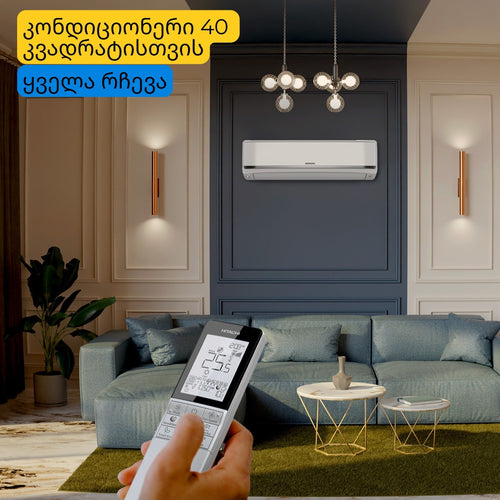
Air conditioner for 40 square meters - everything you need to know before buying
There are several important factors to consider when selecting the right air conditioner for a 40 m² room in 2025, en...
-

Intex or Bestway - which pool to choose?
When shopping for an outdoor framed pool, you've probably come across Bestway and Intex pools. Both brands offer a wi...
-

Overview of air conditioner features - what each one means
A modern air conditioner has many features, some of which are easy to guess by their names, but in advertising campai...
-
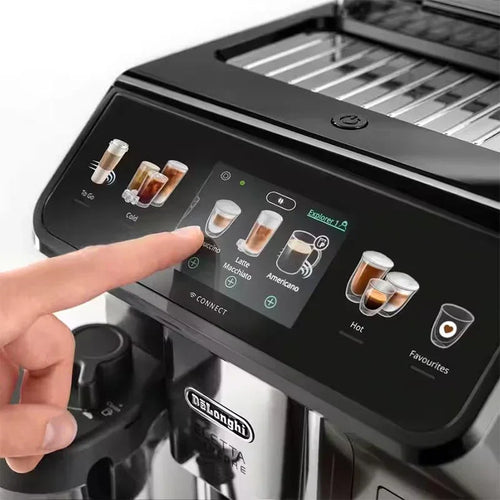
The most comprehensive review of DELONGHI coffee machines
DeLonghi is an Italian premium brand known for its high-quality home appliances, especially coffee machines . The com...
