
History and development of flash memory
If you run a data center or need to store or transfer a lot of data and documents to another device, you know about flash memory and how it works, but what type of flash memory do you need?
USB memory specifications
There are three main USB specifications that allow USB flash drives to be connected to a device: 1.0, 2.0, and 3.0. Each specification release provides faster data transfer speeds than the previous version.
- USB 1.0 Low Speed: Provides a data transfer rate of 1.5 megabits per second (Mbps).
- USB 1.0 Hi-Speed: Has a data transfer rate of 12 Mbps.
- Version 1.1, an update that fixed various problems in 1.0, was released in September 1998 and was more widely adopted.

What is flash memory?
A USB flash drive - also known as a USB drive or USB thumb drive - is a plug-and-play portable storage device that uses flash memory and is light enough to be attached to a key chain. A USB flash drive can be used in place of a compact disc. When a user plugs a flash memory device into a USB port, the computer's operating system (OS) recognizes the device as a removable disk and assigns it a disk drive.
USB flash drives can store important files and data backups, save favorite settings or applications, run diagnostics to troubleshoot computer problems, or run an OS from a bootable USB.

The history of USB drives
The first USB flash drive came onto the market in 2000 with a capacity of 8 megabytes (MB). Over the years, storage capacities have increased from 8 gigabytes (GB) to 1 terabyte (TB), with future capacity levels expected to reach 2 TB, according to manufacturers.
Most USB flash drives use multi-level cell (MLC) memory, which is good for 3,000 to 5,000 program-erase cycles. However, some drives are designed with single-level cell (SLC) memory, which supports around 100,000 writes.
The use of a USB flash drive affects its lifespan. The more users delete and write new data to the device, the more likely it is to deteriorate over time.
Popular models


 ხარისხის გარანტია


შესაძლოა დაგაინტერესოთ
-
How to choose a fan?
As soon as summer arrives, the first thing that comes to mind is a fan . Fresh air circulation in the heat, rapid coo...
-
How to choose power tools in 2025?
Modern construction and repair work is unthinkable without quality power tools. Choosing the right tool is essential ...
-
How to choose a robot vacuum cleaner?
The question of how to choose a robot vacuum cleaner has been relevant since the appearance of these smart devices on...
-
How to set the refrigerator temperature?
Setting the refrigerator temperature correctly is essential to ensure that products retain their nutritional value fo...
-
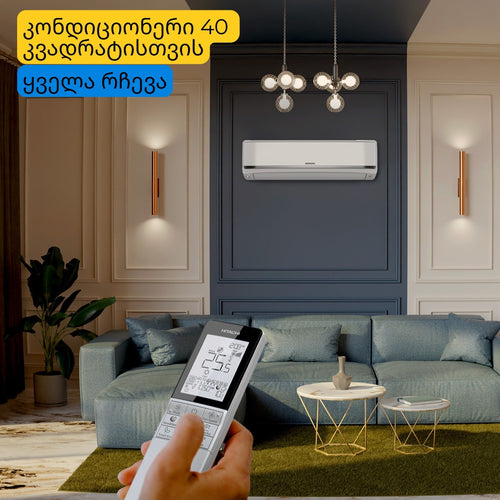
Air conditioner for 40 square meters - everything you need to know before buying
There are several important factors to consider when selecting the right air conditioner for a 40 m² room in 2025, en...
-

Intex or Bestway - which pool to choose?
When shopping for an outdoor framed pool, you've probably come across Bestway and Intex pools. Both brands offer a wi...
-

Overview of air conditioner features - what each one means
A modern air conditioner has many features, some of which are easy to guess by their names, but in advertising campai...
-
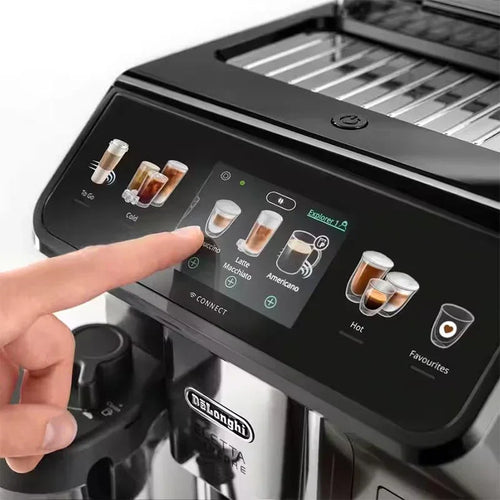
The most comprehensive review of DELONGHI coffee machines
DeLonghi is an Italian premium brand known for its high-quality home appliances, especially coffee machines . The com...
