
Are stainless steel kettles safe?
When we imagine a professional kitchen, we think of shiny, stainless steel pans. But are stainless steel pans safe? I'll try to give you a comprehensive answer to this question.
Toxins affect human health, causing diseases such as cancer and dementia. Housewives are becoming more cautious about chemicals in the kitchen. Accordingly, they prefer organic foods and safer cleaning products.

And as for the pots...
To the question - are stainless steel kettles safe or not, the answer is - largely yes ! But at the same time, the consumer should take into account that different brands manufacture stainless steel kettles differently.
Stainless steel is produced by various methods. Stainless steel is an alloy containing many elements. Among them are chromium and nickel.
The body of a healthy person needs a small amount of chromium, which it obtains from a healthy diet. The body does not require nickel, and if ingested in excessive doses, it can cause heavy metal poisoning.
Although there is a lot of talk about the nickel content in stainless steel pots, woks, and pans, this alloy is quite hard and durable - unlike environmentally friendly ceramic pots.
The pots in the Isurve cookware store are fireproof and do not emit toxic substances even at very high temperatures, unlike cookware whose surfaces do not burn. They emit TEFLOS and PTFE at high temperatures, which are a health risk.
The risk is minimal, but poor-quality stainless steel cookware can still leach small amounts of nickel into your food.
Two factors affect the safety of stainless steel:
- Quality - High-quality stainless steel kettles are made from safer raw materials than their lower-quality alternatives.
- Care - You should use kitchen utensils that will not scratch the surface of stainless steel pots. The surface should be cleaned carefully.
How to distinguish quality
How can an ordinary consumer distinguish high-quality stainless steel kettles from low-quality stainless steel kettles? What do the numbers in the kettle description mean (18/8, 18/16, etc.) The first number represents the amount of chromium in the product, and the second number represents the amount of nickel.
According to NSF International, the following grades of stainless steel are safe for food preparation:
- Series 200 - To reduce production costs, some manufacturers replace nickel with magnesium. Cookware made from this alloy is really cheap and is on the list of safe alloys, but it is still advisable to avoid purchasing such cookware, as this surface is more easily damaged.
- Series 300 -
- 304 stainless steel. This is the most commonly used material. This magnetic alloy is very shiny, which is due to the higher doses of chromium and nickel in its composition. Unlike the 200 series, pots and other utensils of this series are less susceptible to rust and are characterized by durability.
- Stainless steels of this group are considered high-grade materials because they are very resistant to oxidation, even when exposed to salt. They are used to make medical instruments, but there are not many utensils made from them due to their high price.
- Series 400 - This series is called flawless. However, such material may contain as little as 0.75 nickel. Due to such a low nickel content, it oxidizes easily and quickly loses its luster.
With the information provided here , you will be able to choose the safest, best quality pots that, along with quality, look very aesthetically pleasing and give your kitchen a professional look.
** The blog post is in test mode, we look forward to your feedback.
Popular models


 ხარისხის გარანტია



შესაძლოა დაგაინტერესოთ
-
How to choose a fan?
As soon as summer arrives, the first thing that comes to mind is a fan . Fresh air circulation in the heat, rapid coo...
-
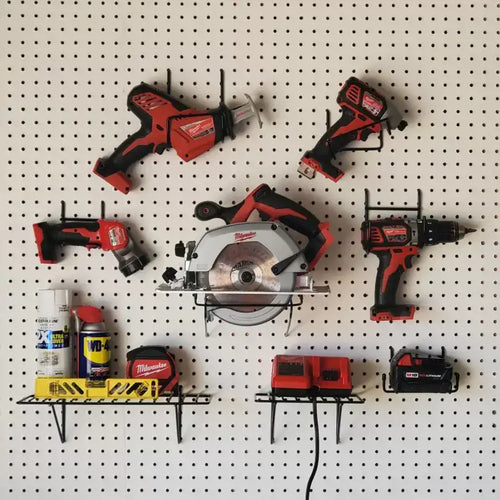
How to choose power tools in 2025?
Modern construction and repair work is unthinkable without quality power tools. Choosing the right tool is essential ...
-
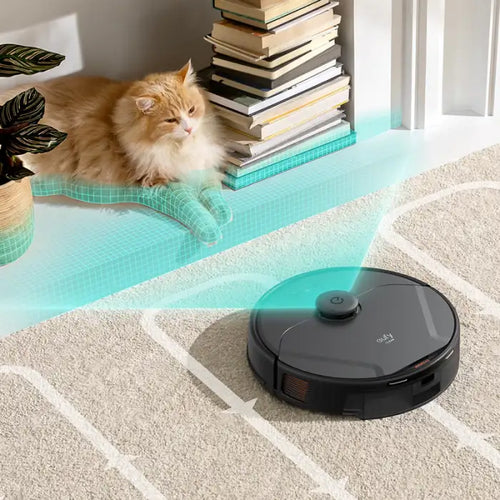
How to choose a robot vacuum cleaner?
The question of how to choose a robot vacuum cleaner has been relevant since the appearance of these smart devices on...
-
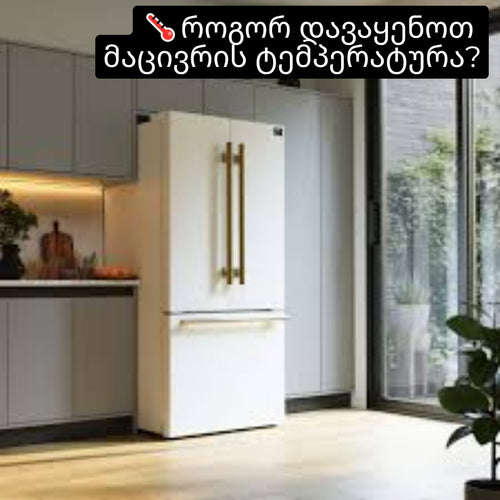
How to set the refrigerator temperature?
Setting the refrigerator temperature correctly is essential to ensure that products retain their nutritional value fo...
-

Air conditioner for 40 square meters - everything you need to know before buying
There are several important factors to consider when selecting the right air conditioner for a 40 m² room in 2025, en...
-

Intex or Bestway - which pool to choose?
When shopping for an outdoor framed pool, you've probably come across Bestway and Intex pools. Both brands offer a wi...
-
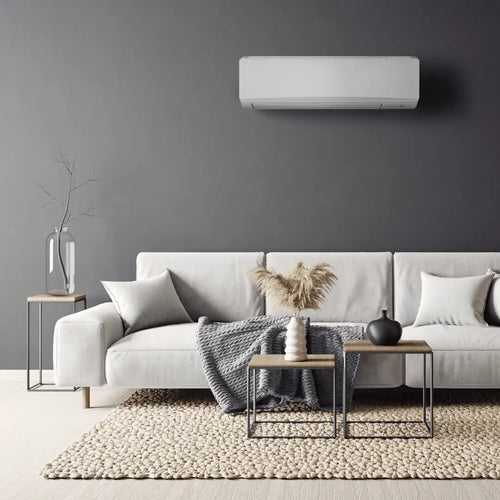
Overview of air conditioner features - what each one means
A modern air conditioner has many features, some of which are easy to guess by their names, but in advertising campai...
-
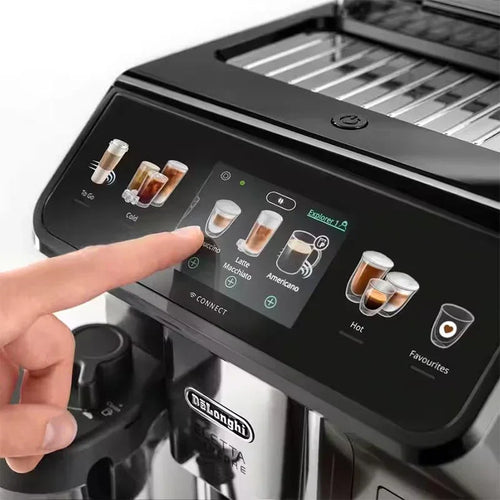
The most comprehensive review of DELONGHI coffee machines
DeLonghi is an Italian premium brand known for its high-quality home appliances, especially coffee machines . The com...
