
Wooden shalashin - the oldest and most important tool
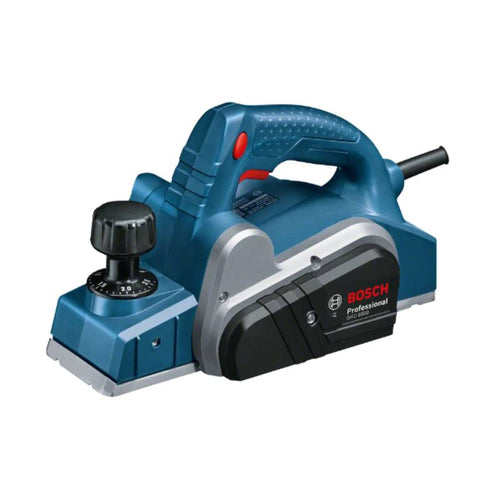
The wooden plane is one of the oldest and most important tools in the history of woodworking. This simple yet effective tool has been used for centuries to polish and shape the surface of wood.
Origin and history of Shalashin
The first examples of awls date back to the Neolithic era, about 10,000 years ago. Early versions were made of stone or bone and were used to sharpen wooden tools and utensils. Over time, with the development of metallurgy, metal awls appeared, which significantly improved the quality and efficiency of woodworking.

Shalashin construction and working principle
A traditional wooden shalashin consists of two main parts:
- Blade - A sharp, angled metal strip that cuts the surface of wood.
- Body - A wooden or plastic handle that provides a firm grip and control.
The principle of operation of the shalashin is simple: the tool is dragged over the surface of the wood, as a result of which the blade cuts a thin layer and removes it. This process allows you to smooth out irregularities, remove excess material, and give the desired shape to the wooden product.
Types of shalashin
There are different types of shalashins, designed for specific tasks:
- Flat chisel - the most common type, used for processing straight surfaces.
- Curved Shalashin - Designed for curved surfaces, such as wheel spokes or boat hulls.
- Double-edged saw - has two cutting edges on different sides, allowing it to work in both directions.
- Sandpaper - Uses an abrasive surface to polish wood.

Areas of application of shalashin
Wooden shalashin is widely used in various fields:
- Furniture production - surface smoothing and polishing.
- Wood sculpture - shaping and detailing.
- Making musical instruments - achieving precise sizes and shapes.
- Oilfield engineering - processing of curved surfaces.
- Restoration - the restoration of old woodwork.
Shalashin care and storage
For the effectiveness and long service of the shalashin, proper care is necessary:
- Regular cleaning from sawdust and resin.
- Periodic sharpening of the blade with a special stone or file.
- Store in a dry place to prevent corrosion.
- Applying a thin layer of oil to metal parts to prevent rust.
Popular models


 კომერციული გარანტია 1 წელი



შესაძლოა დაგაინტერესოთ
-

How to choose a fan?
As soon as summer arrives, the first thing that comes to mind is a fan . Fresh air circulation in the heat, rapid coo...
-
How to choose power tools in 2025?
Modern construction and repair work is unthinkable without quality power tools. Choosing the right tool is essential ...
-

How to choose a robot vacuum cleaner?
The question of how to choose a robot vacuum cleaner has been relevant since the appearance of these smart devices on...
-

How to set the refrigerator temperature?
Setting the refrigerator temperature correctly is essential to ensure that products retain their nutritional value fo...
-

Air conditioner for 40 square meters - everything you need to know before buying
There are several important factors to consider when selecting the right air conditioner for a 40 m² room in 2025, en...
-

Intex or Bestway - which pool to choose?
When shopping for an outdoor framed pool, you've probably come across Bestway and Intex pools. Both brands offer a wi...
-

Overview of air conditioner features - what each one means
A modern air conditioner has many features, some of which are easy to guess by their names, but in advertising campai...
-

The most comprehensive review of DELONGHI coffee machines
DeLonghi is an Italian premium brand known for its high-quality home appliances, especially coffee machines . The com...
