
The teapot is one of the oldest household items!
The teapot is one of the oldest and most popular household items, used to boil water quickly and efficiently. Its history dates back many centuries and continues to evolve to better suit modern needs.
The history of the teapot
The teapot's origins date back to ancient China. It was originally made of ceramic and was used to brew tea and other hot beverages. Over time, the shape and material of the teapot changed, allowing it to withstand higher temperatures and retain heat for longer periods of time.

Materials and design
Today's teapots are made from a variety of materials, such as:
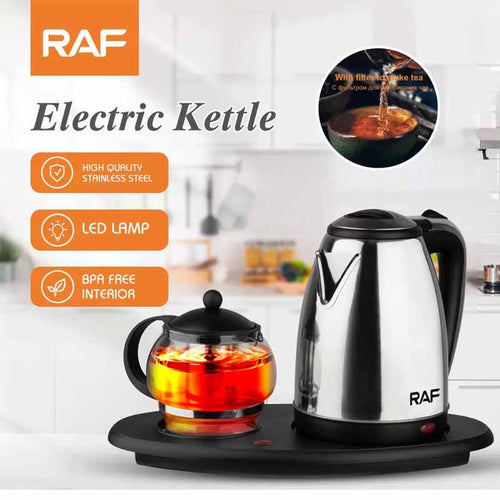
- Stainless steel : The most popular material that retains heat for a long time and does not rust.
- Enameled steel : This material is more aesthetic and is often used to produce designer teapots.
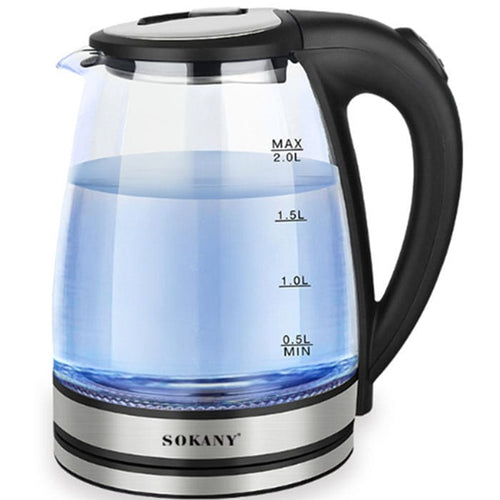
- Glass : A transparent teapot allows the user to observe the brewing process, which is an interesting experience.
- Electric kettles : These modern devices allow you to boil water quickly and energy-efficiently.
The role of the teapot in culture
The teapot is not just a practical tool; it is also a cultural symbol. For example, in Japan, the tea ceremony is an important ritual and the teapot has a special meaning to it. In Britain, the tradition of drinking tea and the use of the teapot are considered an integral part of everyday life.

Modern innovations
As technology advances, kettles have become more intelligent and functional. Some models feature temperature controls, automatic shut-off functions, and apps that allow you to control the kettle via your mobile phone.
The teapot, in both mechanical and electric models, is still an indispensable appliance that simplifies and beautifies our daily lives. Its versatility and cultural significance give it a special place in every home kitchen.
Popular models

 კომერციული გარანტია 3 თვე



შესაძლოა დაგაინტერესოთ
-
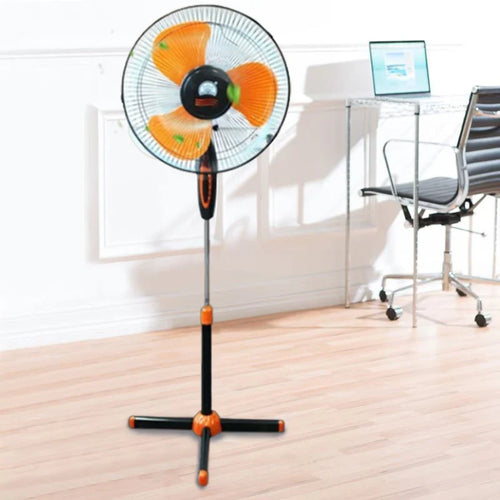
How to choose a fan?
As soon as summer arrives, the first thing that comes to mind is a fan . Fresh air circulation in the heat, rapid coo...
-
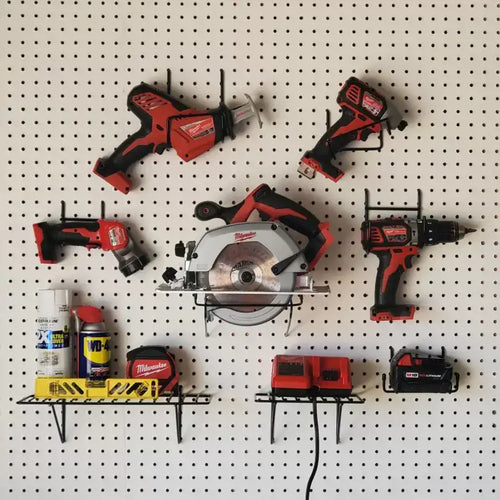
How to choose power tools in 2025?
Modern construction and repair work is unthinkable without quality power tools. Choosing the right tool is essential ...
-
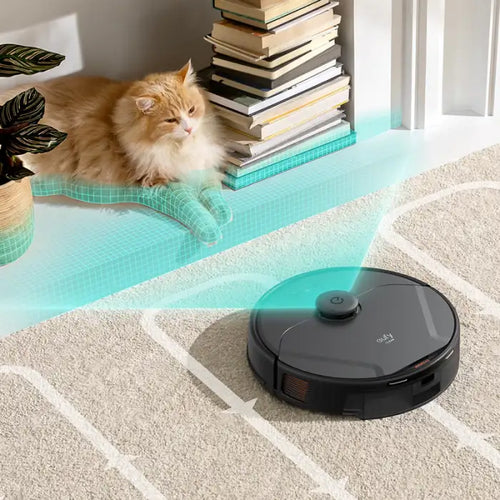
How to choose a robot vacuum cleaner?
The question of how to choose a robot vacuum cleaner has been relevant since the appearance of these smart devices on...
-
How to set the refrigerator temperature?
Setting the refrigerator temperature correctly is essential to ensure that products retain their nutritional value fo...
-
Air conditioner for 40 square meters - everything you need to know before buying
There are several important factors to consider when selecting the right air conditioner for a 40 m² room in 2025, en...
-

Intex or Bestway - which pool to choose?
When shopping for an outdoor framed pool, you've probably come across Bestway and Intex pools. Both brands offer a wi...
-

Overview of air conditioner features - what each one means
A modern air conditioner has many features, some of which are easy to guess by their names, but in advertising campai...
-
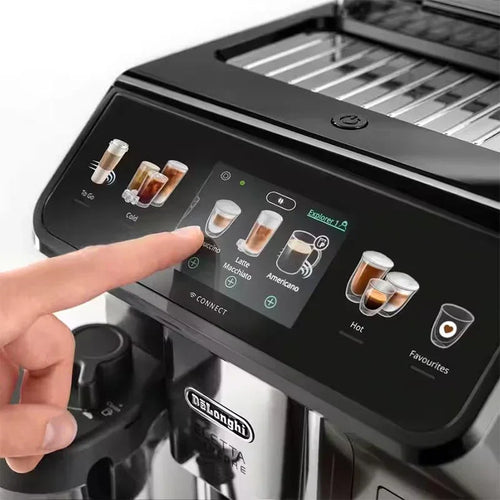
The most comprehensive review of DELONGHI coffee machines
DeLonghi is an Italian premium brand known for its high-quality home appliances, especially coffee machines . The com...
