
Information on how to use a soldering iron easily!
Welding involves joining two or more pieces of iron or steel using heat and pressure to create a strong and permanent bond. The process typically involves melting the base metal (iron or steel) and adding a filler material to aid in the bonding process.
Here is a general overview of the iron welding process:
1. Safety precautions: Before starting any welding operation, it is essential to wear appropriate safety equipment, including a welding helmet, gloves, and protective clothing, to protect yourself from sparks, heat, and ultraviolet radiation.
2. Equipment Setup: Set up the welding equipment, which includes the welding machine, welding electrode or filler wire, and power source. Different types of welding processes (such as arc welding, MIG welding, or TIG welding) may require the installation of specialized equipment.

3. Surface preparation: Thoroughly clean the surfaces to be welded, removing any rust, paint, or contaminants. This ensures a clean welding surface and promotes a stronger bond.
4. Joint Configuration: Depending on the project and the type of weld required, you may need to prepare the joint by cutting, notching, or otherwise shaping the edges of the pieces of metal to be joined. The joint configuration will depend on the specific welding technique.
5. Welding Techniques : There are various welding techniques that you can use to weld metal , including:
- Arc welding : This involves the use of an electric arc between a welding electrode and the metal parts. The heat generated by the arc melts the base metal and the welding electrode also melts, producing a filler material that fills the joint and creates a strong bond as it hardens.
- MIG welding (Metal Inert Gas Welding): In this process, a wire electrode is continuously fed through a welding gun. The welding machine also emits a shielding gas that protects the weld pool from atmospheric contamination.
- TIG welding (tungsten inert gas welding): TIG welding uses a non-consumable tungsten electrode to produce the arc, and a separate filler wire is added manually. A shielding gas, usually argon, is used to protect the weld area.

6. Welding parameters: Adjust welding parameters such as current, voltage, and travel speed according to the thickness and type of metal being welded. These parameters will vary depending on the specific welding process and the characteristics of the metal.
7. Welding Procedure: Begin the welding operation following the specific techniques and procedures for the selected welding process. Maintain a steady welding speed and ensure proper heat penetration and fusion of the base metal and filler material.
8. Post-weld treatment: After welding is complete, allow it to cool naturally or use appropriate cooling methods if necessary. Depending on the project requirements, you may need to perform additional steps such as grinding, cleaning, or applying a protective coating to the welded joint.
It is important to note that welding can be a complex process that requires training and practice to achieve good results. If you are new to welding or if the project involves critical structures, it is recommended that you consult a professional welder or enroll in a welding training program.
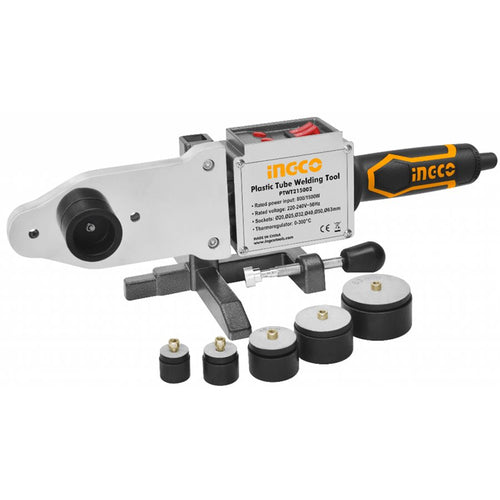
Popular models

 კომერციული გარანტია 1 წელი


შესაძლოა დაგაინტერესოთ
-
How to choose a fan?
As soon as summer arrives, the first thing that comes to mind is a fan . Fresh air circulation in the heat, rapid coo...
-
How to choose power tools in 2025?
Modern construction and repair work is unthinkable without quality power tools. Choosing the right tool is essential ...
-

How to choose a robot vacuum cleaner?
The question of how to choose a robot vacuum cleaner has been relevant since the appearance of these smart devices on...
-
How to set the refrigerator temperature?
Setting the refrigerator temperature correctly is essential to ensure that products retain their nutritional value fo...
-
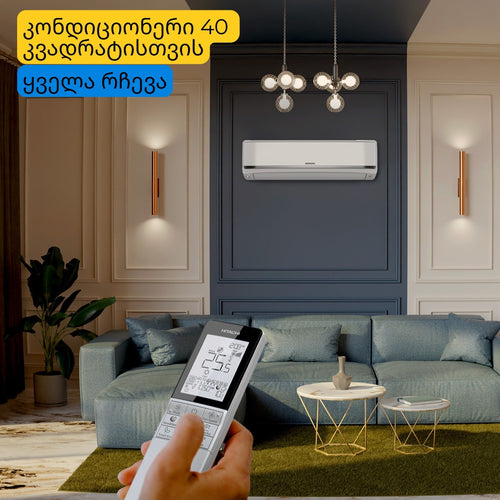
Air conditioner for 40 square meters - everything you need to know before buying
There are several important factors to consider when selecting the right air conditioner for a 40 m² room in 2025, en...
-
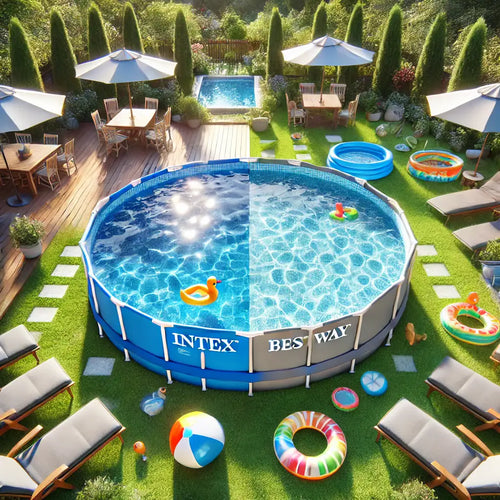
Intex or Bestway - which pool to choose?
When shopping for an outdoor framed pool, you've probably come across Bestway and Intex pools. Both brands offer a wi...
-

Overview of air conditioner features - what each one means
A modern air conditioner has many features, some of which are easy to guess by their names, but in advertising campai...
-
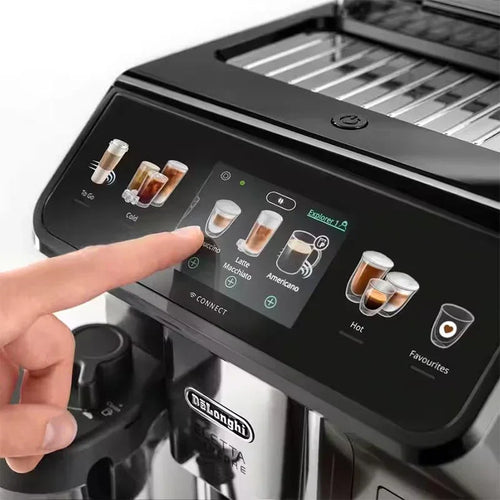
The most comprehensive review of DELONGHI coffee machines
DeLonghi is an Italian premium brand known for its high-quality home appliances, especially coffee machines . The com...
