
Advantages and disadvantages of stainless steel kettles
- Material
- Size
- Form
- Color
- Infusions
This blog will help you determine your needs in each of the criteria. Then you can simply browse for the perfect teapot for your needs.

Which material makes the best teapot?
Whether it's stainless steel, ceramic, porcelain, or glass , each material has its own unique advantages. That's why it's so difficult to choose!
A stainless steel teapot can be considered a practical choice, while a porcelain teapot is associated with a fine, beautiful and prestigious tea set, such as afternoon tea.
Every type of teapot also has practical benefits and drawbacks. These need to be balanced against the expectations of the consumer.
Advantages of a stainless steel kettle
Durability : Stainless steel is stronger and more durable than ceramic models.
Heat Retention: Stainless steel is excellent at retaining heat and keeping liquids hotter longer than many ceramic or porcelain models. This allows the user to enjoy hot tea or coffee for longer.
Less maintenance : Unlike other metal kettles (such as cast iron), stainless steel requires very little maintenance. Since most stainless steel kettles have hinged lids, you also don't have to worry about replacements!
Lightweight : Stainless steel is very lightweight.
Modern look: Stainless steel is bright, modern, and low-cost, although its designs are very different from luxurious porcelain.

Disadvantages of stainless steel kettles
Overheated handles: Since stainless steel is such a heat conductor, there is a risk of the handles becoming uncomfortably hot.
Less luxurious: While stainless steel has a beautiful and modern look, it lacks the traditionally luxurious appeal of a porcelain teapot.
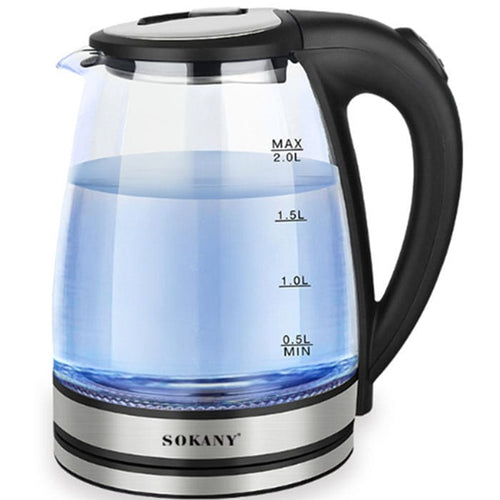
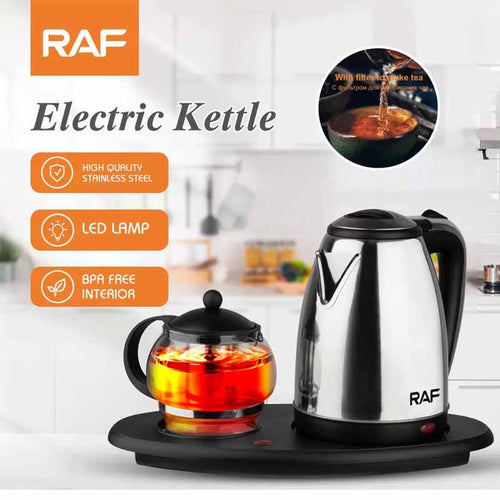
Popular models

 კომერციული გარანტია 3 თვე



შესაძლოა დაგაინტერესოთ
-
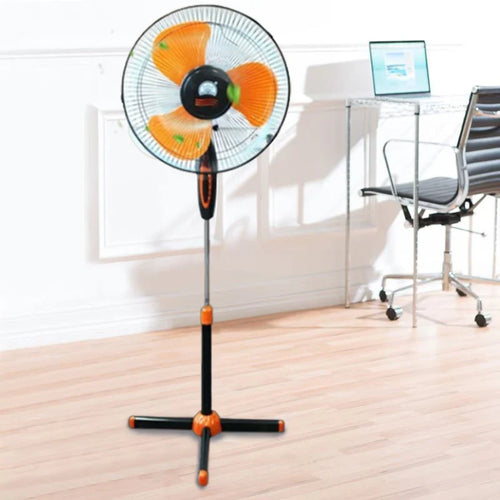
How to choose a fan?
As soon as summer arrives, the first thing that comes to mind is a fan . Fresh air circulation in the heat, rapid coo...
-
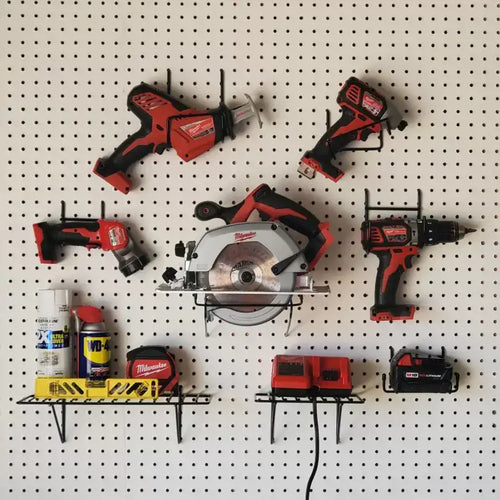
How to choose power tools in 2025?
Modern construction and repair work is unthinkable without quality power tools. Choosing the right tool is essential ...
-
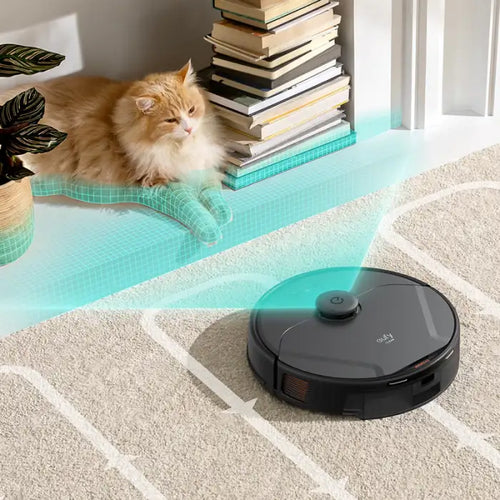
How to choose a robot vacuum cleaner?
The question of how to choose a robot vacuum cleaner has been relevant since the appearance of these smart devices on...
-
How to set the refrigerator temperature?
Setting the refrigerator temperature correctly is essential to ensure that products retain their nutritional value fo...
-

Air conditioner for 40 square meters - everything you need to know before buying
There are several important factors to consider when selecting the right air conditioner for a 40 m² room in 2025, en...
-

Intex or Bestway - which pool to choose?
When shopping for an outdoor framed pool, you've probably come across Bestway and Intex pools. Both brands offer a wi...
-

Overview of air conditioner features - what each one means
A modern air conditioner has many features, some of which are easy to guess by their names, but in advertising campai...
-
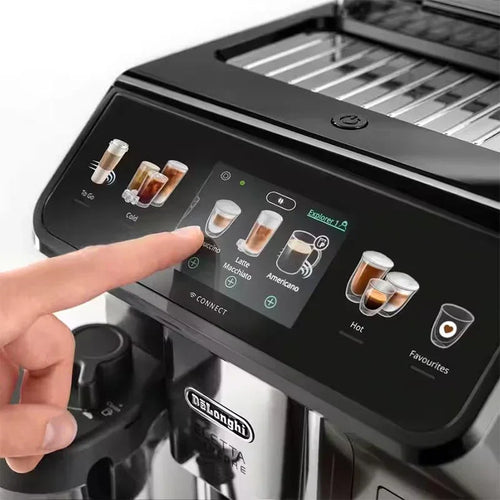
The most comprehensive review of DELONGHI coffee machines
DeLonghi is an Italian premium brand known for its high-quality home appliances, especially coffee machines . The com...
