
Buy a slicer - to evenly slice produce and delicacies!
A slicer is a tool used in salads and delicatessens to cut meat, sausages, cheese, and other delicacies and products. Compared to a simple knife, using a meat slicer requires less effort and also keeps the texture of the food more intact.
A slicer is a very useful tool that will help you cut the food you want, whether it's meat or vegetables.
If you are going to buy a slicer, you should make sure that the slicer comes with stainless steel blades , as stainless steel blades do not rust and will cut through almost anything. You should also make sure that the slicer has a built-in sharpener for the blades so that they are always sharp.
The slicer strikes a good balance between performance, power, and safety features. The larger blade also allows you to slice more types of food.

Important features of the slicer
Power - the speed of rotation of the circular blade depends on the power and, accordingly, the speed of cutting products. For household slicers, the power varies from 80 to 200 watts. For efficient operation, 100 watts is quite enough.
Circular knife - cutting materials are mainly made of steel and ceramic, and the best devices are equipped with blades from the German brand Solingen. The sharpness of the knives can be straight or wavy. However, ceramic knives cut a wider range of products, for example, fresh bread.
Body material - many housewives try to buy metal slicers because of the high cost. However, there are no fundamental differences between plastic and metal bodies, and both work with exactly the same quality.
Cutting thickness - the standard cutting range is 1-17 mm. In more expensive models, this indicator is wider: 0.5-23 mm.

It is important to exercise caution when using any slicer, as the blades can be very sharp. It is also a good idea to follow the manufacturer's instructions for safe and effective use. Proper cleaning and maintenance are essential to ensure the longevity of your slicer.
The type of slicer you choose depends on the specific tasks you frequently perform in your kitchen. Consider the types of foods you prepare and how often you will use the slicer for your needs.
Popular models


 კომერციული გარანტია 2 წელი
შესაძლოა დაგაინტერესოთ
-
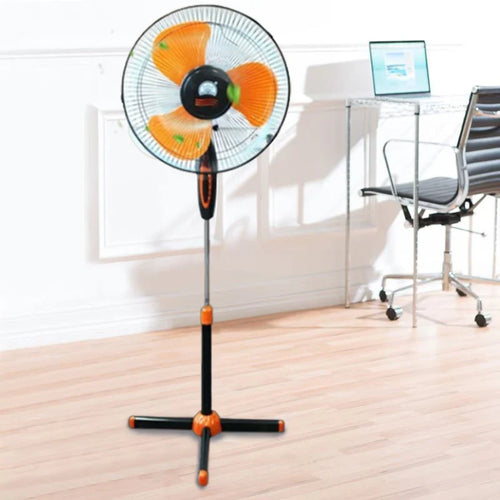
How to choose a fan?
As soon as summer arrives, the first thing that comes to mind is a fan . Fresh air circulation in the heat, rapid coo...
-
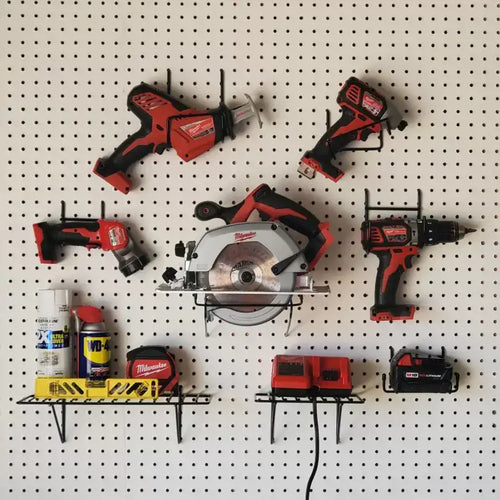
How to choose power tools in 2025?
Modern construction and repair work is unthinkable without quality power tools. Choosing the right tool is essential ...
-

How to choose a robot vacuum cleaner?
The question of how to choose a robot vacuum cleaner has been relevant since the appearance of these smart devices on...
-

How to set the refrigerator temperature?
Setting the refrigerator temperature correctly is essential to ensure that products retain their nutritional value fo...
-

Air conditioner for 40 square meters - everything you need to know before buying
There are several important factors to consider when selecting the right air conditioner for a 40 m² room in 2025, en...
-

Intex or Bestway - which pool to choose?
When shopping for an outdoor framed pool, you've probably come across Bestway and Intex pools. Both brands offer a wi...
-

Overview of air conditioner features - what each one means
A modern air conditioner has many features, some of which are easy to guess by their names, but in advertising campai...
-
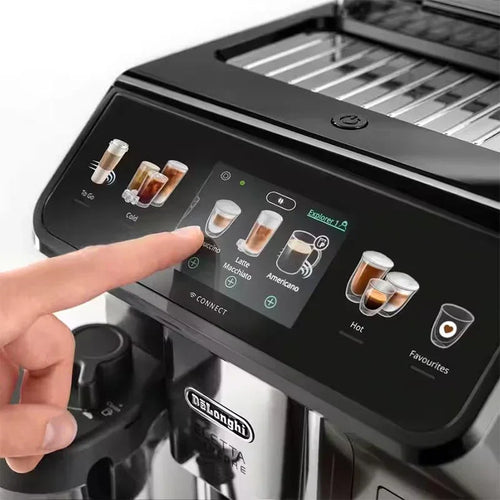
The most comprehensive review of DELONGHI coffee machines
DeLonghi is an Italian premium brand known for its high-quality home appliances, especially coffee machines . The com...
