
How can a USB memory stick be used and what can you store on it?
A USB flash drive is a data storage device that includes flash memory with an integrated USB interface. A typical USB drive is removable, rewritable, and smaller than an optical disc, typically weighing less than 30g.
USB flash drives range in storage capacity from 8 to 256 gigabytes, 512 GB to 1 terabyte. Some allow for up to 100,000 write/erase cycles, depending on the exact type of memory chip used, and are believed to physically last between 10 and 100 years under normal conditions.

Using USB memory:
USB flash drives can be used to store files, photos, videos, for backup, and to transfer computer files. Compared to disks, they are smaller, faster, have significantly higher storage capacities, and are more durable due to the lack of moving parts. In addition, they are less susceptible to electromagnetic interference, and are not damaged by surface scratches (unlike CDs).
However, as with any USB flash drive , data loss due to bit leakage due to prolonged power outages and the possibility of spontaneous controller failure due to poor manufacturing may render it unsuitable for long-term data archiving. Data storage capacity is affected by the USB flash drive's software, internal data redundancy, and error correction algorithms.
Until around 2005, most desktop and laptop computers came with CD drives in addition to USB ports, but CD drives became obsolete as USB ports became more widely adopted and USB storage capacities became larger.
USB flash drives use the USB Mass Storage Device Class standard, which is supported by modern operating systems such as Windows, Linux, macOS, and other Unix-like systems, as well as many BIOS boot ROMs.

Data storage:
USB flash drives supporting USB 2.0 can store more data and transfer it faster than much larger discs such as CD-RW or DVD-RW discs, and can be read by many other systems such as the Xbox One, PlayStation 4, DVD players, car stereos, and a number of handheld devices such as smartphones and tablet computers, although the electronically similar SD card is better suited to these devices due to its standardized form factor, which allows the card to fit into the device without protruding.
What does it consist of:
A USB flash drive consists of a small printed circuit board that carries the circuit elements and a USB connector, inside an electrically insulated and protected plastic, metal, or rubber case that can be carried in a pocket or attached to a key chain.
Some USB I/Os are indicated by an LED, which lights up or flashes when accessed. USB can be protected by a removable cap or by being turned inside out, but it is not damaged if exposed. Most USB drives use the standard USB Type A connector, which allows connection to a computer port, but there are also drives for other interfaces (e.g. micro-USB and USB-C ports). USB drives are powered by the computer via the USB connection.
Popular models


 ხარისხის გარანტია


შესაძლოა დაგაინტერესოთ
-
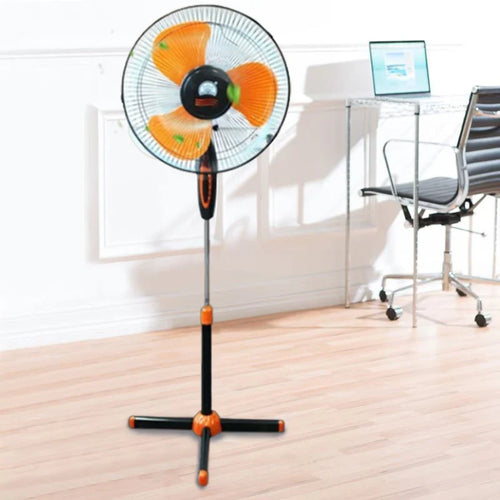
How to choose a fan?
As soon as summer arrives, the first thing that comes to mind is a fan . Fresh air circulation in the heat, rapid coo...
-
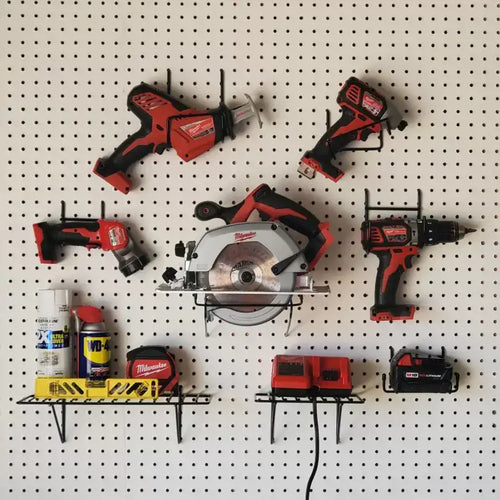
How to choose power tools in 2025?
Modern construction and repair work is unthinkable without quality power tools. Choosing the right tool is essential ...
-

How to choose a robot vacuum cleaner?
The question of how to choose a robot vacuum cleaner has been relevant since the appearance of these smart devices on...
-
How to set the refrigerator temperature?
Setting the refrigerator temperature correctly is essential to ensure that products retain their nutritional value fo...
-
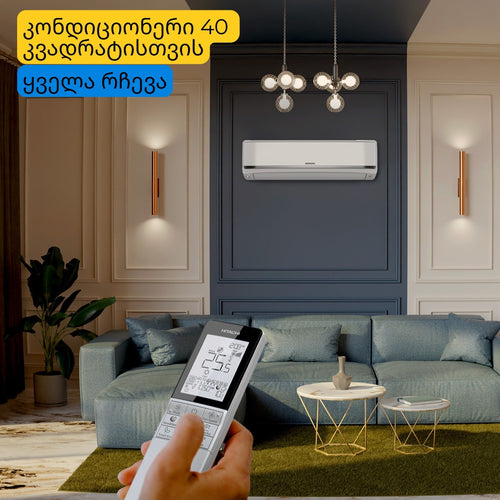
Air conditioner for 40 square meters - everything you need to know before buying
There are several important factors to consider when selecting the right air conditioner for a 40 m² room in 2025, en...
-

Intex or Bestway - which pool to choose?
When shopping for an outdoor framed pool, you've probably come across Bestway and Intex pools. Both brands offer a wi...
-

Overview of air conditioner features - what each one means
A modern air conditioner has many features, some of which are easy to guess by their names, but in advertising campai...
-
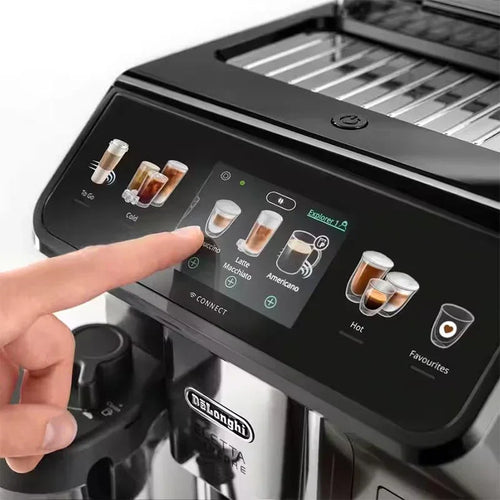
The most comprehensive review of DELONGHI coffee machines
DeLonghi is an Italian premium brand known for its high-quality home appliances, especially coffee machines . The com...
