
How does flash memory work?
Flash memory is a data storage technology widely used in modern electronic devices. Flash memory retains data even when the device is turned off. It contains no moving parts, making it more reliable and faster than traditional spinning hard drives. Data can be written, erased, and rewritten using electrical signals.
How flash memory works:
- Transistor array: Flash memory is made up of millions of tiny transistors called "cells".
- Floating Gate Technology: Each cell contains a transistor with a "floating gate" that can be charged or discharged.
- Binary data storage: A charged cell represents a "0" and a discharged cell represents a "1", creating a binary code for storing data.
- Write and Read: To write data, an electrical charge is used to charge or discharge the cells. When reading, the controller checks the state of each cell.
- Erase and Overwrite: To erase data, all cells are discharged. To write new data, the cells are recharged with the required combination.

These properties of flash memory make it ideal for many modern devices that require fast, reliable, and energy-efficient data storage.
Main areas of application of flash memory:
Smartphones and tablets:- Internal memory: Flash memory is used to store applications, photos, videos, and other data.
- MicroSD cards: Many devices allow for memory expansion with MicroSD cards based on flash technology.
- SSD (Solid State Drive): Flash memory-based SSDs are replacing traditional HDDs, providing faster boot times and performance.
- M.2 and NVMe drives: These are more compact and faster versions of SSDs, often used in modern laptops.
- SD and CompactFlash cards: for storing photos and videos.
- Built-in memory: Some models use internal flash memory.

- Internal memory: for storing games, profiles, and achievements.
- Expandable memory: Some consoles allow you to install additional flash memory.
- Manufacturing equipment and medical devices often use flash memory to store data and run software.
- Modern car on-board computers and entertainment systems use flash memory for navigation, software, and user data.
The versatility of flash memory demonstrates its importance in modern technology. Its compactness, speed, and reliability make it ideal for a wide range of applications, from everyday consumer electronics to high-tech industrial applications.
Popular models


 ხარისხის გარანტია


შესაძლოა დაგაინტერესოთ
-
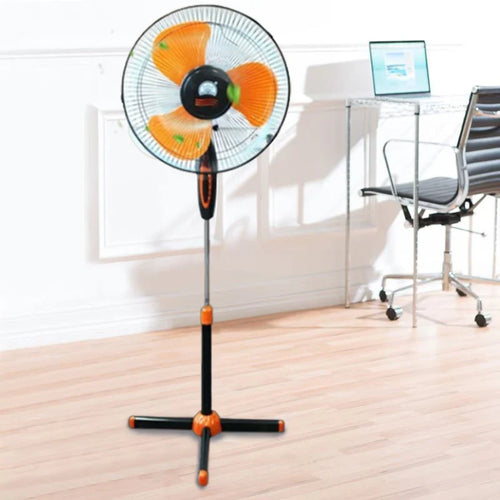
How to choose a fan?
As soon as summer arrives, the first thing that comes to mind is a fan . Fresh air circulation in the heat, rapid coo...
-

How to choose power tools in 2025?
Modern construction and repair work is unthinkable without quality power tools. Choosing the right tool is essential ...
-

How to choose a robot vacuum cleaner?
The question of how to choose a robot vacuum cleaner has been relevant since the appearance of these smart devices on...
-

How to set the refrigerator temperature?
Setting the refrigerator temperature correctly is essential to ensure that products retain their nutritional value fo...
-
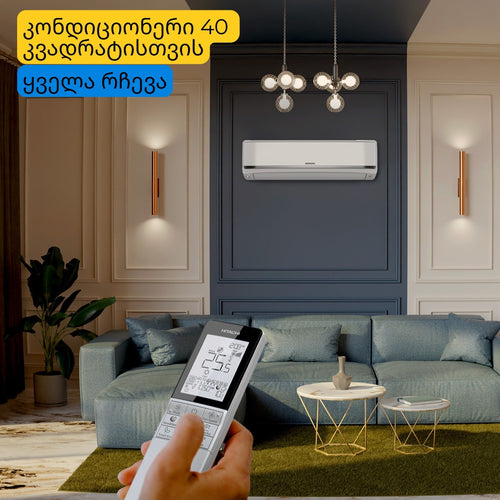
Air conditioner for 40 square meters - everything you need to know before buying
There are several important factors to consider when selecting the right air conditioner for a 40 m² room in 2025, en...
-

Intex or Bestway - which pool to choose?
When shopping for an outdoor framed pool, you've probably come across Bestway and Intex pools. Both brands offer a wi...
-

Overview of air conditioner features - what each one means
A modern air conditioner has many features, some of which are easy to guess by their names, but in advertising campai...
-
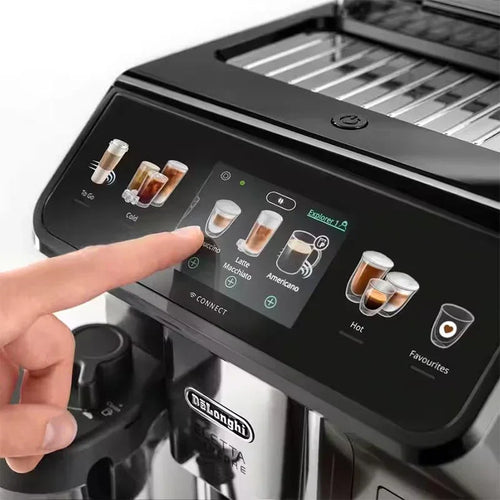
The most comprehensive review of DELONGHI coffee machines
DeLonghi is an Italian premium brand known for its high-quality home appliances, especially coffee machines . The com...
