
Why should you buy sunglasses?
Sunglasses are one of the everyday accessories that people wear all year round. They reflect light from their eyes, protecting them from harm or injury.
Choose sunglasses that block 99 to 100 percent of both UVA and UVB rays. Labels can sometimes be confusing. Some say the sunglasses offer 100 percent UVA/UVB protection, while others say 100 percent UV protection. Be sure that both will block 100 percent of the sun’s harmful rays.

Why should you wear sunglasses?
Block harmful UV rays - As beautiful as sunlight may be, these UV rays actually cause a lot of damage to your eyes. Prolonged UV exposure to the retina can cause macular degeneration, which leads to vision loss. So, protect your eyes with 100% UV-blocking sunglasses.
Anti-aging benefits! - You read that right. Wearing sunglasses can help you look younger! The skin around our eyes is much thinner than the rest of our face, making it one of the first places where unsightly wrinkles can appear. Stay youthful with some stylish sunglasses. You can also opt for sunglasses with photochromic lenses, which change from regular lenses to darker ones in sunlight.

Sunglasses protect your health!
Get clearer vision and fewer headaches - Our eyes are naturally sensitive to light. In fact, too much sunlight can cause our eyes to strain, which often leads to headaches and migraines. Wearing sunglasses when outdoors can help prevent discomfort. Even better, wearing sunglasses with polarized lenses can help increase visual clarity. You may be wondering, what are polarized sunglasses? Polarized lenses are specially designed to only let in vertical light, minimizing glare and reflections.
Reduce your risk of skin cancer - Did you know that 5 to 10% of skin cancers occur on the eyelid? That's why it's important to reduce your chances of developing the deadly disease by wearing sunglasses. Wearing a hat or visor can further reduce your risk of skin cancer.
Preventing Cataracts and Glaucoma - You may think that your chances of getting cataracts or glaucoma are small. But statistics from the American Academy of Ophthalmology show that 24 million people in the United States have cataracts and nearly 3 million people have glaucoma. Fortunately, reducing your chances of both conditions can be as simple as wearing glasses and getting regular eye exams.
Popular models


 ხარისხის გარანტია


შესაძლოა დაგაინტერესოთ
-
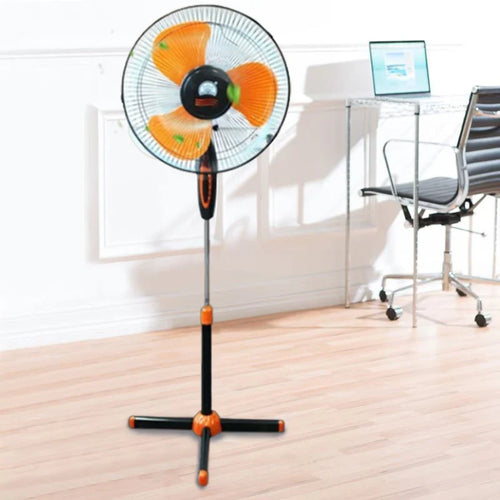
How to choose a fan?
As soon as summer arrives, the first thing that comes to mind is a fan . Fresh air circulation in the heat, rapid coo...
-

How to choose power tools in 2025?
Modern construction and repair work is unthinkable without quality power tools. Choosing the right tool is essential ...
-
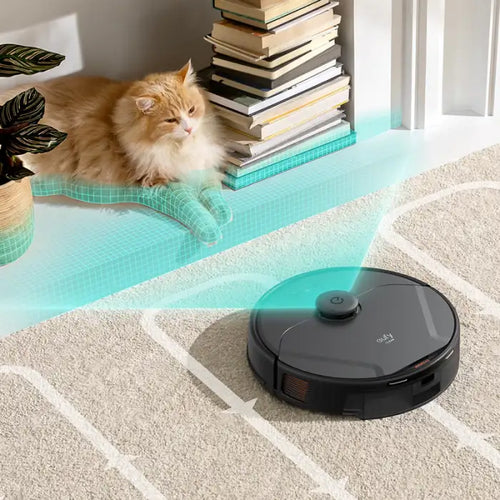
How to choose a robot vacuum cleaner?
The question of how to choose a robot vacuum cleaner has been relevant since the appearance of these smart devices on...
-

How to set the refrigerator temperature?
Setting the refrigerator temperature correctly is essential to ensure that products retain their nutritional value fo...
-

Air conditioner for 40 square meters - everything you need to know before buying
There are several important factors to consider when selecting the right air conditioner for a 40 m² room in 2025, en...
-

Intex or Bestway - which pool to choose?
When shopping for an outdoor framed pool, you've probably come across Bestway and Intex pools. Both brands offer a wi...
-
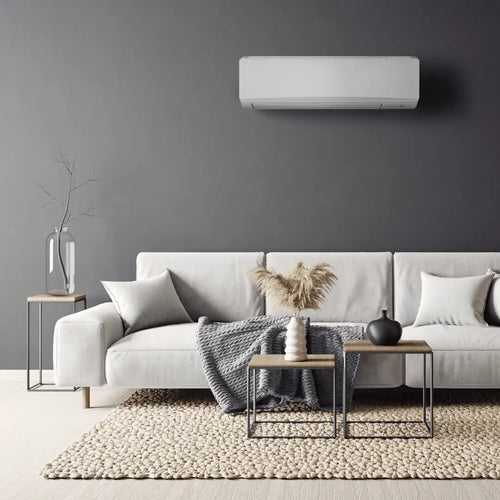
Overview of air conditioner features - what each one means
A modern air conditioner has many features, some of which are easy to guess by their names, but in advertising campai...
-

The most comprehensive review of DELONGHI coffee machines
DeLonghi is an Italian premium brand known for its high-quality home appliances, especially coffee machines . The com...
