
How to use a mechanical scale easily?
A mechanical level is a tool that craftsmen use when they are making a surface, such as a floor or wall. The level is used to determine how well the surface has been made.
Scales are made from a variety of materials , including aluminum, plastic, wood, and cast iron. Scale users are classified as professional contractors and tradespeople, as well as carpenters, masons, electricians, plumbers, woodworkers, and others.

How to use Tarazo?
- Clean the scale, removing all sediment and dirt from the edges.
- Mark a line on the wall along the bottom edge.
- Turn the scale over so that the top edge is where the bottom edge is. Place the new top edge along the marked line. If the scale is straight, your surface is accurate. If not, it is defective.
- Place the level on the surface of the object for which you want to adjust the correct horizon. Make sure that the level is parallel to the object.
- Align your eyes with the level of the scale. To read accurately, close one eye.
- Note where the vial is inside the scale. If it is centered between the pipe lines, your object is level. If the vial is to the right of the lines, your object is tilted down from right to left. If the tip is to the left of the lines, your object is tilted down from left to right.

Types of scales
There are different types of scales available for tradesmen and contractors, the most popular of which are the I-beam scale (this scale is I-shaped when you look at it from the end), the box scale (it has a rectangular shape), and the torpedo scale (slightly larger than a pocket scale, 9 to 12 inches long).
Other styles of scales include: line scales (one vial with a hook on a string), cross-check scales (pocket size; two-level scales at right angles), circular scales, and pocket scales (pen-shaped with a magnetic tip).
Popular models

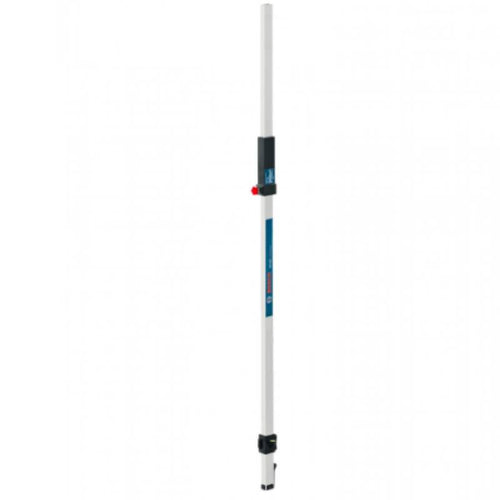
 კომერციული გარანტია 1 წელი


შესაძლოა დაგაინტერესოთ
-
How to choose a fan?
As soon as summer arrives, the first thing that comes to mind is a fan . Fresh air circulation in the heat, rapid coo...
-
How to choose power tools in 2025?
Modern construction and repair work is unthinkable without quality power tools. Choosing the right tool is essential ...
-

How to choose a robot vacuum cleaner?
The question of how to choose a robot vacuum cleaner has been relevant since the appearance of these smart devices on...
-

How to set the refrigerator temperature?
Setting the refrigerator temperature correctly is essential to ensure that products retain their nutritional value fo...
-

Air conditioner for 40 square meters - everything you need to know before buying
There are several important factors to consider when selecting the right air conditioner for a 40 m² room in 2025, en...
-

Intex or Bestway - which pool to choose?
When shopping for an outdoor framed pool, you've probably come across Bestway and Intex pools. Both brands offer a wi...
-

Overview of air conditioner features - what each one means
A modern air conditioner has many features, some of which are easy to guess by their names, but in advertising campai...
-
The most comprehensive review of DELONGHI coffee machines
DeLonghi is an Italian premium brand known for its high-quality home appliances, especially coffee machines . The com...
