
To use a jigsaw in woodworking, follow these general steps!
A jigsaw is a versatile power tool commonly used in woodworking and other crafts. It consists of a double-sided saw blade that moves rapidly up and down to cut through materials. The blade is controlled by the user and can make straight or curved cuts, depending on the desired shape.

To use a jigsaw in woodworking, follow these general steps:
- Prepare the workpiece: Mark the area where you want to make the cut with a pencil or marker. Make sure the workpiece is securely clamped to a workbench or other stable surface to prevent it from moving during the cutting process.
- Choose the right blade : Jigsaw blades come in a variety of types, each designed for specific materials and cutting applications. Choose the right blade for your project, considering factors such as the type of wood, thickness, and desired cut.
- Install the blade: Refer to the manufacturer's instructions to safely install the blade. Most jigsaws have a tool-free blade change mechanism that allows you to quickly change blades.
- Adjust the cutting angle (if necessary): Some jigsaws allow you to adjust the base plate to an angle other than 90 degrees. Set the desired angle based on the requirements of your project.
- Start cutting: Hold the jigsaw firmly with both hands, maintaining a steady grip. Position the blade outside the marked line and turn the tool on. Slowly guide the jigsaw along the marked line, allowing the blade to make the cut. Be sure to follow the line exactly and maintain a steady speed.
- Making curved cuts: If you need to make a curved cut, keep in mind that a jigsaw is good at maneuvering around corners and curves. To do this, rotate the jigsaw smoothly while keeping the blade in line with the desired cutting path.
- Finishing and refining the cut: After completing the basic cut, you may need to refine the edges or smooth the rough surface. This can be done using sandpaper or other suitable woodworking tools.

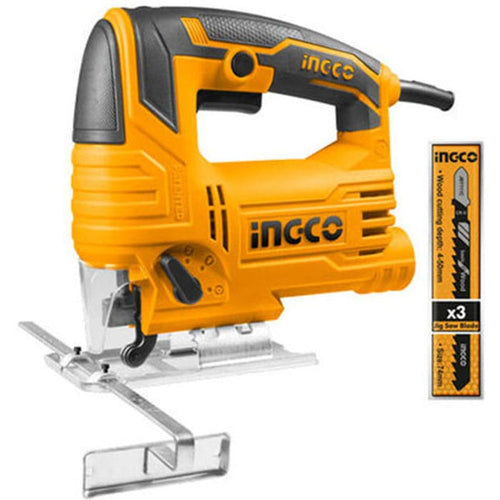
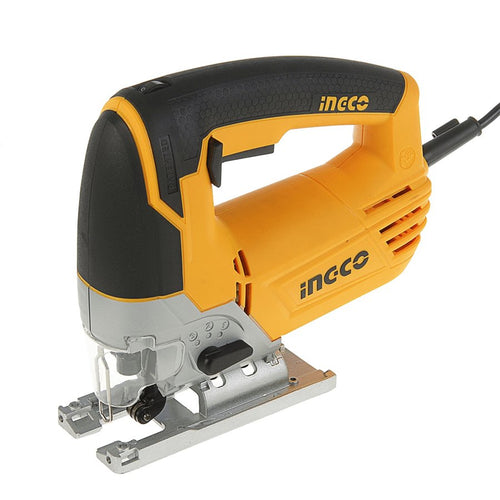
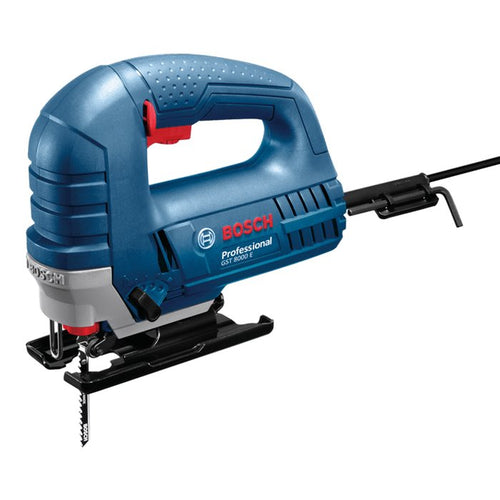
Popular models

 კომერციული გარანტია 1 წელი




შესაძლოა დაგაინტერესოთ
-
How to choose a fan?
As soon as summer arrives, the first thing that comes to mind is a fan . Fresh air circulation in the heat, rapid coo...
-
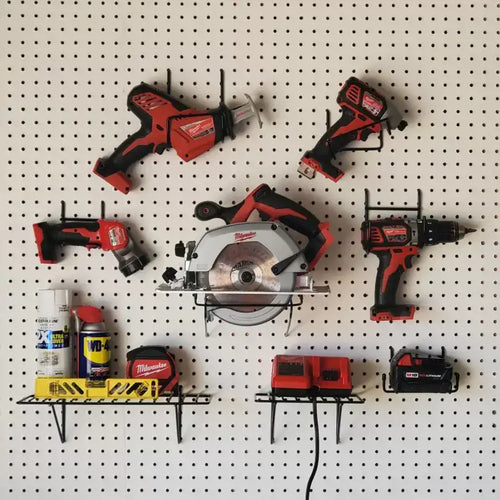
How to choose power tools in 2025?
Modern construction and repair work is unthinkable without quality power tools. Choosing the right tool is essential ...
-

How to choose a robot vacuum cleaner?
The question of how to choose a robot vacuum cleaner has been relevant since the appearance of these smart devices on...
-

How to set the refrigerator temperature?
Setting the refrigerator temperature correctly is essential to ensure that products retain their nutritional value fo...
-

Air conditioner for 40 square meters - everything you need to know before buying
There are several important factors to consider when selecting the right air conditioner for a 40 m² room in 2025, en...
-

Intex or Bestway - which pool to choose?
When shopping for an outdoor framed pool, you've probably come across Bestway and Intex pools. Both brands offer a wi...
-

Overview of air conditioner features - what each one means
A modern air conditioner has many features, some of which are easy to guess by their names, but in advertising campai...
-

The most comprehensive review of DELONGHI coffee machines
DeLonghi is an Italian premium brand known for its high-quality home appliances, especially coffee machines . The com...
