
Common types of enamel kettles and their useful properties!
Enamel pots are pots that are coated with a layer of enamel, usually made from powder. This coating provides a smooth and non-reactive surface, making it suitable for cooking a variety of foods. Enamel pots are known for their durability, heat retention, and resistance to rust.

Here are some common types of enamel kettles:
1. Enamel Dutch Oven: A versatile and heavy-duty pot with thick walls and a tight-fitting lid, the Dutch oven is perfect for slow cooking, stewing, braising, and making soups.
2. Enamel Saucepans : These are small pots, with a single handle and lid, ideal for heating liquids, making sauces, or cooking small amounts of food.
3. Enameled stockpot: Similar to a Dutch oven, but generally larger, it is designed for making broths and large quantities of soups.
4. Enamel baking pans: These pans are great for making oven-baked dishes. They often have easy-to-lift handles.
5. Enamel roasting pan: Used for roasting meat and vegetables in the oven, these pans are larger and come with a rack to elevate food for even cooking.
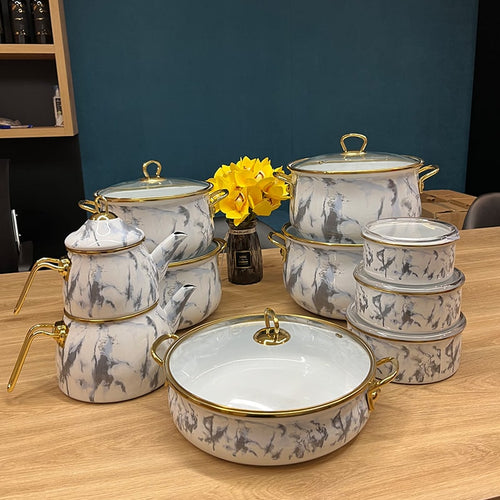
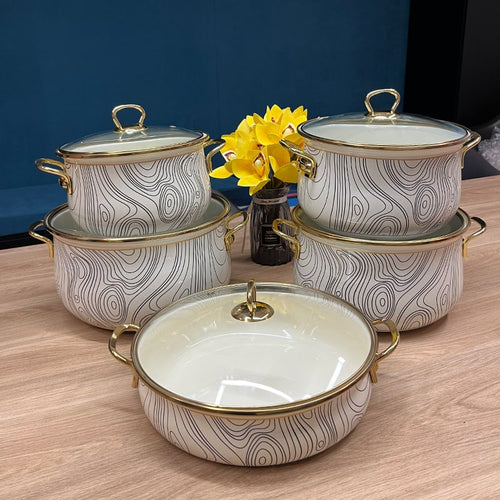
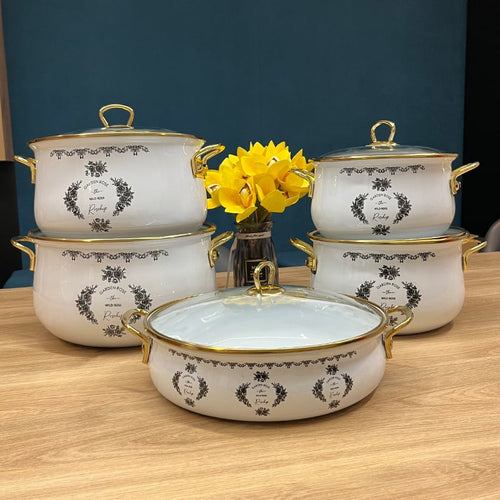
6. Enamel Pot Sets: Some brands offer sets that include a combination of different enamel pots and pans , providing a complete collection for a variety of cooking needs.

When using enamel pots, it is important to avoid using metal utensils, as they can scratch and damage the enamel coating. In addition, enamel pots should be cleaned gently with non-abrasive materials to maintain their longevity. They are generally not suitable for use at high temperatures, so it is essential to follow the manufacturer's instructions regarding cooking temperatures.
Enamel pots come in a variety of colors and designs that add style to your kitchen. They are popular for both practical cooking purposes and as an aesthetically pleasing addition to kitchen decor.
Enamel kettles are valued for several key properties, including durability, heat retention, and rust resistance:
1. Durability : Enamel-coated pots are durable and long-lasting. The enamel layer protects the underlying material, such as cast iron or steel, from scratches, stains, and general wear and tear. This makes them suitable for regular use in the kitchen.
2. Heat Retention: Enamel pots, especially those made from materials like cast iron, have excellent heat retention properties. They can maintain a consistent and even temperature, making them ideal for slow cooking and simmering dishes for long periods of time.
3. Rust resistance: The enamel coating acts as a barrier that protects the underlying metal from moisture and prevents rust from forming. This is especially important for cookware that may come into contact with liquids or is exposed to damp conditions.
Popular models

 ხარისხის გარანტია




შესაძლოა დაგაინტერესოთ
-
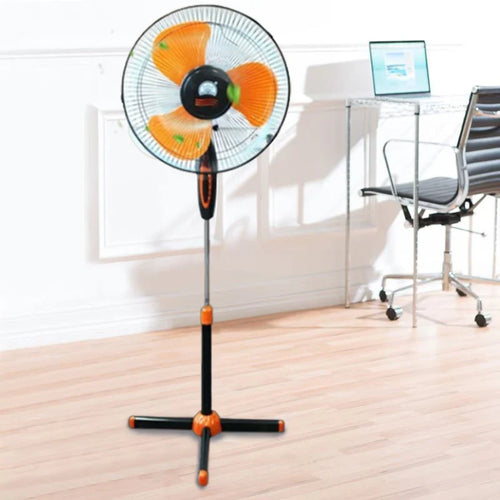
How to choose a fan?
As soon as summer arrives, the first thing that comes to mind is a fan . Fresh air circulation in the heat, rapid coo...
-
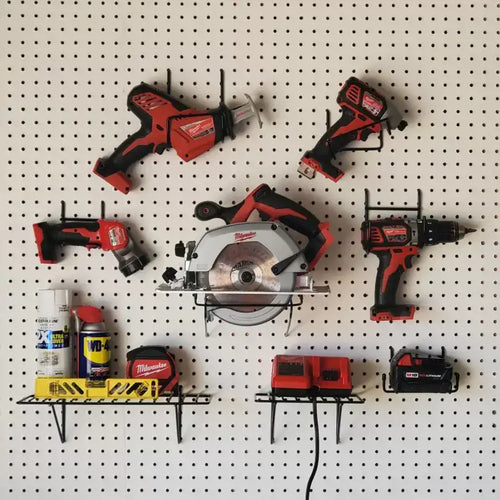
How to choose power tools in 2025?
Modern construction and repair work is unthinkable without quality power tools. Choosing the right tool is essential ...
-

How to choose a robot vacuum cleaner?
The question of how to choose a robot vacuum cleaner has been relevant since the appearance of these smart devices on...
-

How to set the refrigerator temperature?
Setting the refrigerator temperature correctly is essential to ensure that products retain their nutritional value fo...
-

Air conditioner for 40 square meters - everything you need to know before buying
There are several important factors to consider when selecting the right air conditioner for a 40 m² room in 2025, en...
-

Intex or Bestway - which pool to choose?
When shopping for an outdoor framed pool, you've probably come across Bestway and Intex pools. Both brands offer a wi...
-

Overview of air conditioner features - what each one means
A modern air conditioner has many features, some of which are easy to guess by their names, but in advertising campai...
-
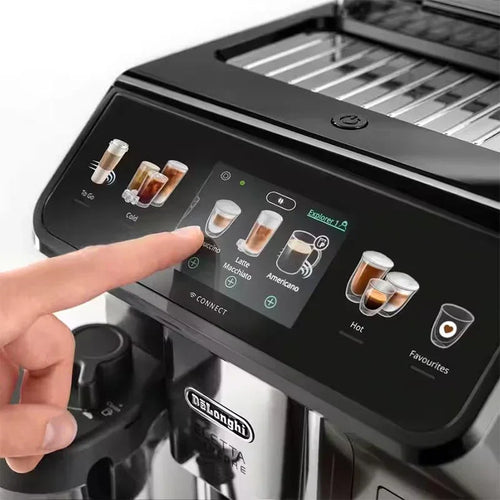
The most comprehensive review of DELONGHI coffee machines
DeLonghi is an Italian premium brand known for its high-quality home appliances, especially coffee machines . The com...
