
German coffee grinders: tradition, design and quality
Germany has been known for centuries for its technological innovations and quality products, including coffee grinders. German coffee grinders are considered reliable, durable, and high-quality machines based on traditional craftsmanship and engineering precision.
Historical perspective
Coffee grinders became especially popular in Germany in the 18th and 19th centuries, as coffee consumption increased in Europe. These grinders were made of both wood and metal, and their designs varied by region. Traditionally, they were hand-operated and were characterized by their simplicity but excellent functionality.

Types of coffee grinders
German coffee grinders are distinguished by both their design and their grinding mechanism. One of the most famous brands is Zassenhaus , which has been producing high-quality manual coffee grinders since 1867. Zassenhaus models are known for their ceramic grinding mechanism, which ensures a smooth and even grinding process, which is very important for fully releasing the coffee aroma.
Design and materials
The design of German grinders is often minimalist and functional. Classic models often have a wooden body, while more modern versions use stainless steel and other high-quality materials. German manufacturers pay great attention to both aesthetics and mechanical perfection.

Role in coffee culture
Coffee culture is very important in Germany, and coffee grinders are not only considered a kitchen necessity, but also part of the tradition. The importance of grinding coffee correctly has long been known to Germans, as this process directly affects the quality of the final drink.
German coffee grinders remain the choice for those who want the best taste and quality.
Popular models

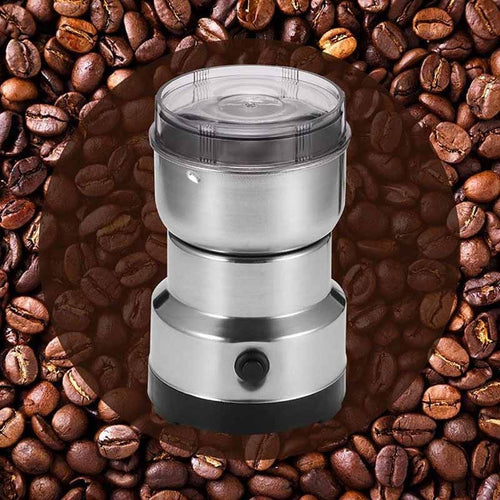
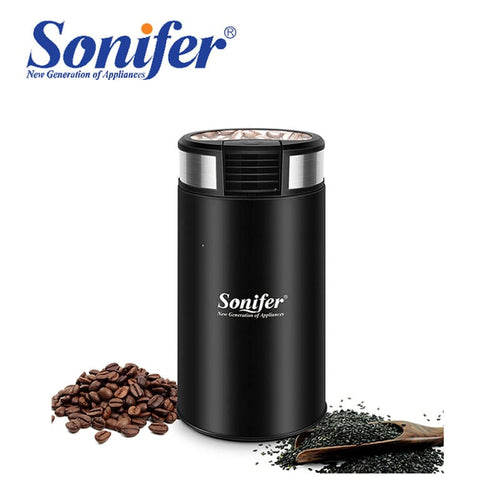
 კომერციული გარანტია 3 თვე




შესაძლოა დაგაინტერესოთ
-
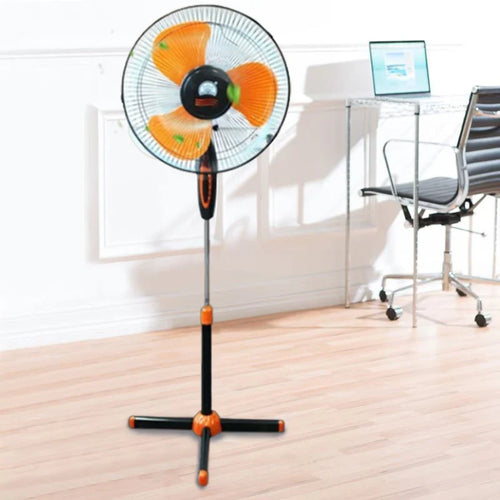
How to choose a fan?
As soon as summer arrives, the first thing that comes to mind is a fan . Fresh air circulation in the heat, rapid coo...
-
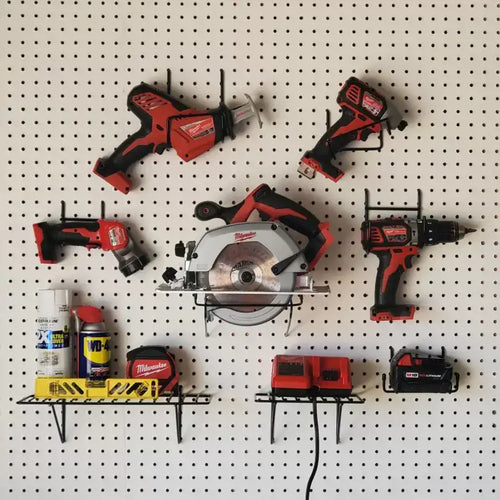
How to choose power tools in 2025?
Modern construction and repair work is unthinkable without quality power tools. Choosing the right tool is essential ...
-

How to choose a robot vacuum cleaner?
The question of how to choose a robot vacuum cleaner has been relevant since the appearance of these smart devices on...
-
How to set the refrigerator temperature?
Setting the refrigerator temperature correctly is essential to ensure that products retain their nutritional value fo...
-
Air conditioner for 40 square meters - everything you need to know before buying
There are several important factors to consider when selecting the right air conditioner for a 40 m² room in 2025, en...
-

Intex or Bestway - which pool to choose?
When shopping for an outdoor framed pool, you've probably come across Bestway and Intex pools. Both brands offer a wi...
-
Overview of air conditioner features - what each one means
A modern air conditioner has many features, some of which are easy to guess by their names, but in advertising campai...
-
The most comprehensive review of DELONGHI coffee machines
DeLonghi is an Italian premium brand known for its high-quality home appliances, especially coffee machines . The com...
