
The working principle of the extractor hood
Although you may not realize it yet, a range hood is one of the most important appliances in the kitchen. It is designed to remove odors, heat, and smoke that can arise in the kitchen during food preparation.
Working in the kitchen generates heat, which can make working in it quite uncomfortable. Another great advantage of a range hood is the removal of excess heat and steam, creating a more pleasant environment for the housewife and the rest of the family.

The principle of operation of built-in kitchen hoods:
Inside the device is a filter that runs on a motor. As soon as you turn on the hood, fat molecules or odors are automatically drawn to these filters. Finally, clean air is released from the hood.
A range hood is especially useful if you frequently fry onions or cook meat products. You've probably noticed how thick the room is covered in steam when roasting meat or making soup.
Although the smell of cooking can be pleasant and even appetizing, this process is still particularly dangerous because over time, food products release carcinogens that are harmful to our health.

Types of exhaust:
Telescopic
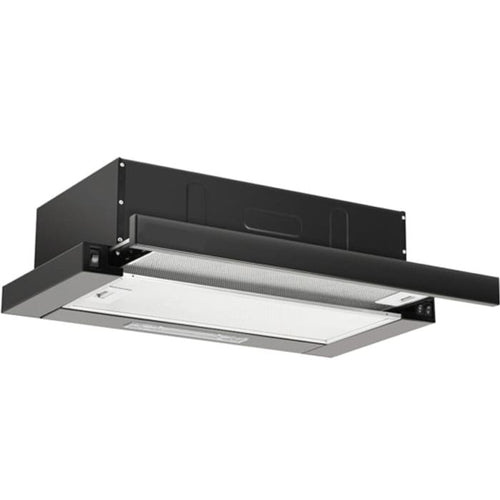
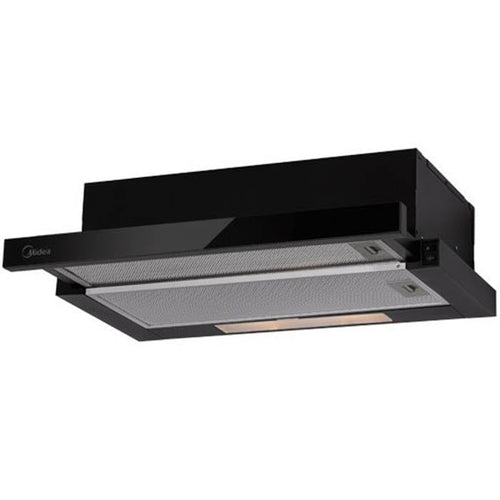
This built-in hood for the kitchen is particularly compact. The elements of the telescopic structure, including the main units, are hidden in a special cabinet. A distinctive feature of the model is the presence of a reversible element that can quickly collect air directly on the surface of the hob.
Integrated
As the name suggests, these range hoods are built into a special cabinet located above the stove. The hood has one drawback: you are unlikely to find a powerful model, as the design is limited by the size of the motor, pump and filter.
Dome
Dome hoods are also called chimney hoods. They have a strong suction function and look like an umbrella. Such models are mounted directly on the ceiling/wall.
Popular models

 კომერციული გარანტია 1 წელი




შესაძლოა დაგაინტერესოთ
-
How to choose a fan?
As soon as summer arrives, the first thing that comes to mind is a fan . Fresh air circulation in the heat, rapid coo...
-
How to choose power tools in 2025?
Modern construction and repair work is unthinkable without quality power tools. Choosing the right tool is essential ...
-
How to choose a robot vacuum cleaner?
The question of how to choose a robot vacuum cleaner has been relevant since the appearance of these smart devices on...
-
How to set the refrigerator temperature?
Setting the refrigerator temperature correctly is essential to ensure that products retain their nutritional value fo...
-
Air conditioner for 40 square meters - everything you need to know before buying
There are several important factors to consider when selecting the right air conditioner for a 40 m² room in 2025, en...
-

Intex or Bestway - which pool to choose?
When shopping for an outdoor framed pool, you've probably come across Bestway and Intex pools. Both brands offer a wi...
-
Overview of air conditioner features - what each one means
A modern air conditioner has many features, some of which are easy to guess by their names, but in advertising campai...
-
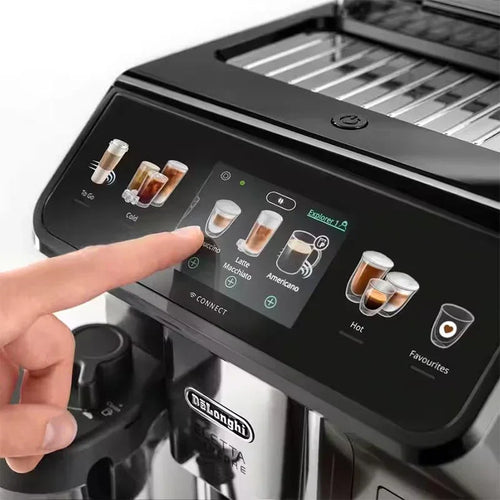
The most comprehensive review of DELONGHI coffee machines
DeLonghi is an Italian premium brand known for its high-quality home appliances, especially coffee machines . The com...
