
Aluminum kettles - their advantages and ease of use!
Pots, pans, and other cookware are made from a variety of materials. These materials can leach into the food we cook in them during cooking. In most cases, this is harmless. However, there are some materials that require caution.
Aluminum is lightweight, conducts heat well, and is fairly inexpensive, making it a popular choice for the kitchen.
Only one or two milligrams of aluminum from the total amount of pots and pans leaches into food. The World Health Organization estimates that adults can safely consume no more than 50 milligrams of aluminum per day.
Aluminum leaches most easily from worn or pitted pots and pans during cooking. The longer food is cooked or stored in aluminum, the more aluminum it will leach. Leafy vegetables and acidic foods, such as tomatoes and citrus fruits, absorb the most aluminum.

Aluminum utensils!
Pure aluminum is second only to copper in thermal conductivity. It is inexpensive and, when reinforced (usually with magnesium, copper, or other metals), makes for remarkably light and flexible cookware. But as you may have guessed, natural aluminum reacts with certain acidic foods, giving it a metallic taste and a grayish cast. To overcome this drawback, cookware is typically coated with a nonstick coating, finished with stainless steel, or anodized (a process that significantly hardens the surface and gives it a very dark gray color). In fact, more and more manufacturers are turning to anodizing, which will also have nonstick or stainless coatings, because it is attractive, more durable, and easier to clean.
Ultimately, there are many examples of high-quality, non-reactive aluminum cookware. It remains the most popular material for stainless steel-lined cookware. Most aluminum cookware cannot be used on induction cooktops unless it has a steel exterior, and specific dishwasher and oven safety requirements vary by type. Be sure to check the specific care requirements for each brand.
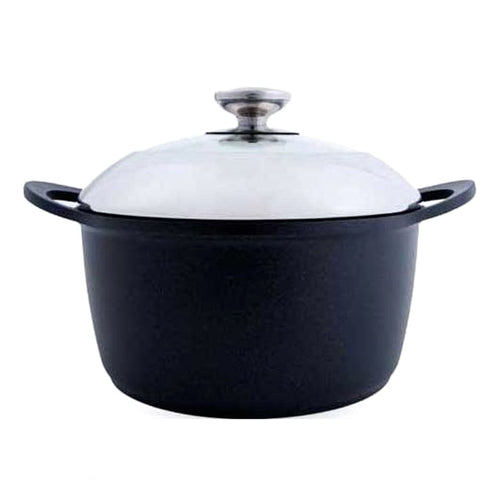
Because aluminum is lightweight, it makes a practical choice for larger pieces such as frying pans, grills, casserole dishes, and large water boilers, especially when anodized or coated with a non-stick coating.

Minimizing risk
- Do not cook or store food for long periods of time in aluminum containers.
- Do not use scratched or uncoated aluminum utensils for preparing or storing food.
- If you know you are allergic to aluminum, do not use its utensils.
- If you are sensitive to aluminum and have difficulty managing your allergy, discuss your options with your doctor.
- Do not store highly acidic foods, such as stewed rhubarb or stewed tomatoes, in aluminum containers.
- Do not use aluminum bowls or put them in the microwave unless they are labeled as microwave safe.
Popular models


 ხარისხის გარანტია




შესაძლოა დაგაინტერესოთ
-
How to choose a fan?
As soon as summer arrives, the first thing that comes to mind is a fan . Fresh air circulation in the heat, rapid coo...
-
How to choose power tools in 2025?
Modern construction and repair work is unthinkable without quality power tools. Choosing the right tool is essential ...
-

How to choose a robot vacuum cleaner?
The question of how to choose a robot vacuum cleaner has been relevant since the appearance of these smart devices on...
-

How to set the refrigerator temperature?
Setting the refrigerator temperature correctly is essential to ensure that products retain their nutritional value fo...
-

Air conditioner for 40 square meters - everything you need to know before buying
There are several important factors to consider when selecting the right air conditioner for a 40 m² room in 2025, en...
-

Intex or Bestway - which pool to choose?
When shopping for an outdoor framed pool, you've probably come across Bestway and Intex pools. Both brands offer a wi...
-
Overview of air conditioner features - what each one means
A modern air conditioner has many features, some of which are easy to guess by their names, but in advertising campai...
-
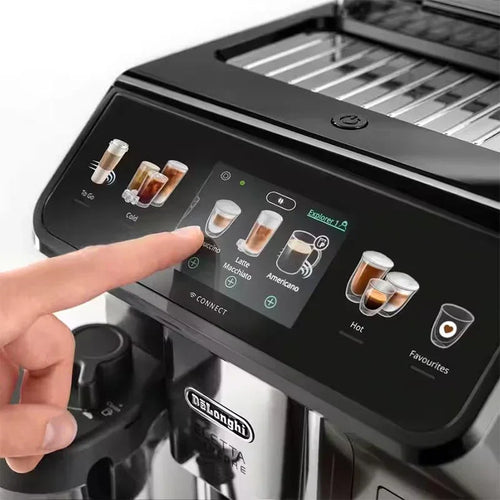
The most comprehensive review of DELONGHI coffee machines
DeLonghi is an Italian premium brand known for its high-quality home appliances, especially coffee machines . The com...
