
5 main types of water heaters!
A water heater provides a constant flow of heated water to various locations in a building and is one of the central appliances in any home or apartment building.
Despite the relative simplicity of the general design, there are several different options for water heaters.
Each type of water heater, although it performs the same function, does so in different ways. This gives each type of water heater distinct advantages over the others.
Understanding the differences between the five main types of water heaters will help you choose the one that best suits your home.

Five main types of water heaters
Water heaters with tank:
The most common type of water heater has a large tank that they heat and then hold the water. They can be either electric or gas powered. Gas water heaters provide faster heating, while electric models are relatively inexpensive.
Water heaters require regular cleaning and flushing to keep them in good working condition.
Tankless water heaters:
Tankless water heaters work to heat water as soon as you turn it on, effectively giving you an unlimited supply of hot water to use. Plus, because they only heat water when you need it, they are more energy efficient and therefore cheaper to run.
However, these types of water heaters are more expensive. Additionally, because they can only heat water at a specific flow rate, water heaters can provide hot water to multiple water fixtures at the same time, which is important for large buildings.
Heat transfer water heaters:
Heat transfer water heaters work by transferring warm air from outside the home. This means lower energy bills because such a system requires less electricity to operate, which can save you significant money in the long run.
However, heat transfer water heaters require a certain minimum temperature outside your home; this makes them really only ideal in hot climates and not in more temperate or cold areas.

Solar water heaters
As their name suggests, solar water heaters use solar panels to heat your water. The advantage of solar water heaters is that they operate without electricity, providing hot water all year round.
However, a natural drawback of solar water heaters is that they require the sun to actually heat the water in the tank.
Condensing water heaters
Condensing water heaters can only be installed in homes that have a natural gas heater. They have a hot water storage tank, but they use the exhaust gas from your central heating unit to power the water heater elements, instead of having a direct gas line like traditional water heaters. This can save you a significant amount of money in the long run.
Of course, the main disadvantage of these types of heaters is that they can only be installed in a certain subset of homes; if you have an electric heater, you can't install it.
Popular models


 კომერციული გარანტია 2 წელი


შესაძლოა დაგაინტერესოთ
-
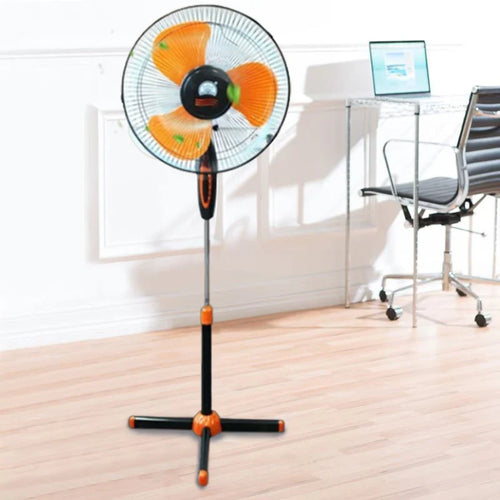
How to choose a fan?
As soon as summer arrives, the first thing that comes to mind is a fan . Fresh air circulation in the heat, rapid coo...
-

How to choose power tools in 2025?
Modern construction and repair work is unthinkable without quality power tools. Choosing the right tool is essential ...
-

How to choose a robot vacuum cleaner?
The question of how to choose a robot vacuum cleaner has been relevant since the appearance of these smart devices on...
-
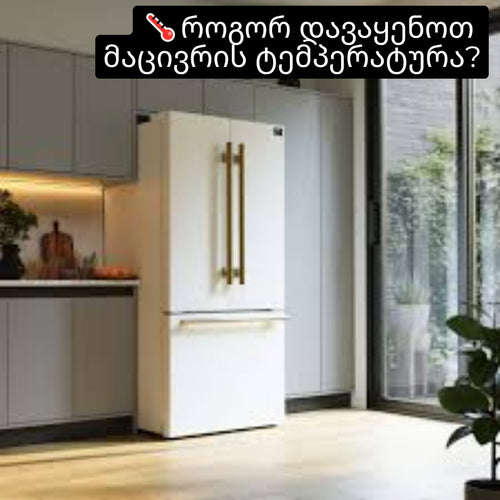
How to set the refrigerator temperature?
Setting the refrigerator temperature correctly is essential to ensure that products retain their nutritional value fo...
-
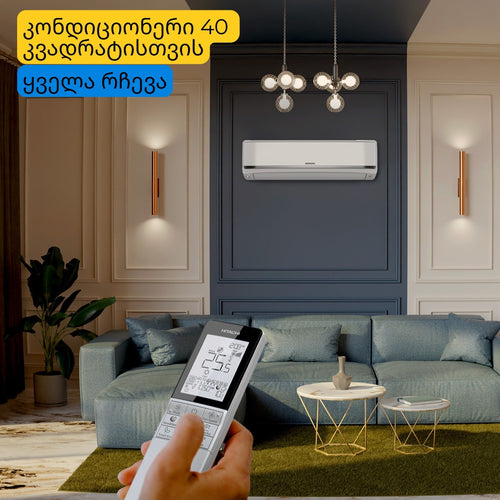
Air conditioner for 40 square meters - everything you need to know before buying
There are several important factors to consider when selecting the right air conditioner for a 40 m² room in 2025, en...
-
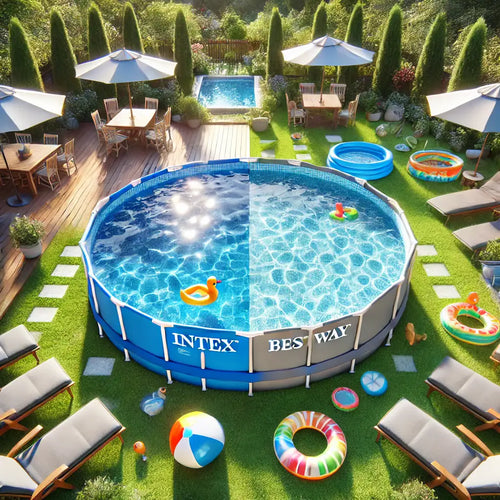
Intex or Bestway - which pool to choose?
When shopping for an outdoor framed pool, you've probably come across Bestway and Intex pools. Both brands offer a wi...
-
Overview of air conditioner features - what each one means
A modern air conditioner has many features, some of which are easy to guess by their names, but in advertising campai...
-
The most comprehensive review of DELONGHI coffee machines
DeLonghi is an Italian premium brand known for its high-quality home appliances, especially coffee machines . The com...
