
Two-speed type of juicer
You know the importance of maintaining a diet rich in fresh fruits and vegetables. Nutrients are undoubtedly important for health and well-being. The problem is, it's not always easy to prepare and get all the fruits and vegetables we need.
It's no wonder why juicing has gained popularity in recent decades. Imagine getting your daily dose of fruits and vegetables in one easy-to-drink glass of juice.

Which type of juicer is best?
The juicing process may seem simple , but there are various designs on the market that have pros and cons.
Most home juicers are centrifugal or masticating.
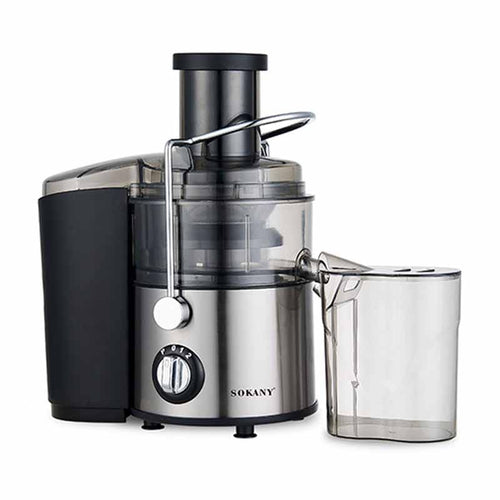
Centrifugal juicers A woven metal mesh basket is used to squeeze the pulp from fruits and vegetables. Gravity draws the juice through the mesh and out into a juice cup, while centrifugal force spins the pulp that remains on top and deposits it in a waste bucket attached to the side of the basket.
This type of juicer is quick, easy to use, and requires less effort , making it easier to clean.

Juicers Sometimes also known as slow juicers. Some operate vertically and some horizontally, although both work in the same way.
This type of juicer uses a strainer (a piece of gear) to slowly push the product through the strainer to separate the juice from the pulp. The product cannot pass through without being crushed, and for this reason it can extract more juice from a harder product.
Many people believe that slow juicers create less foam, heat, and rust, which means more nutrients are transferred to the juice and there is less waste. This type of juicer may take longer to process than a centrifugal juicer , but it can ultimately produce more juice.
One disadvantage of this type of juicer is that food that is not small enough can get stuck inside, requiring the user to replace the mechanism or disassemble the entire juicer for cleaning. Another disadvantage is that the container of this type of juicer is often smaller and requires cutting the food before inserting it.
Popular models

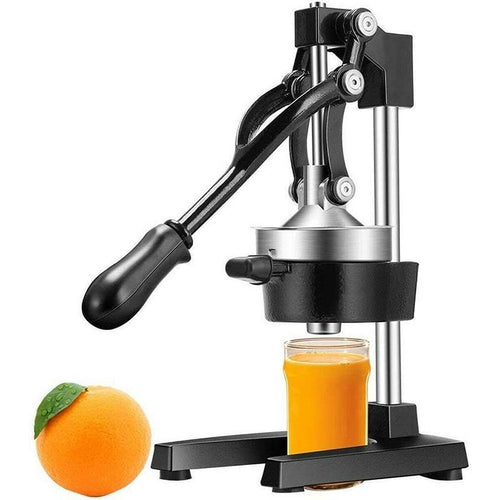
 ხარისხის გარანტია



შესაძლოა დაგაინტერესოთ
-
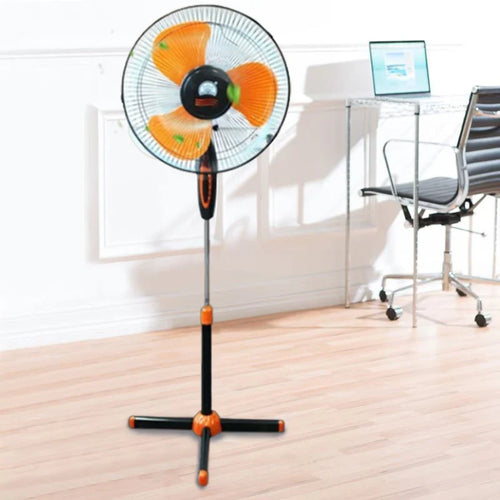
How to choose a fan?
As soon as summer arrives, the first thing that comes to mind is a fan . Fresh air circulation in the heat, rapid coo...
-
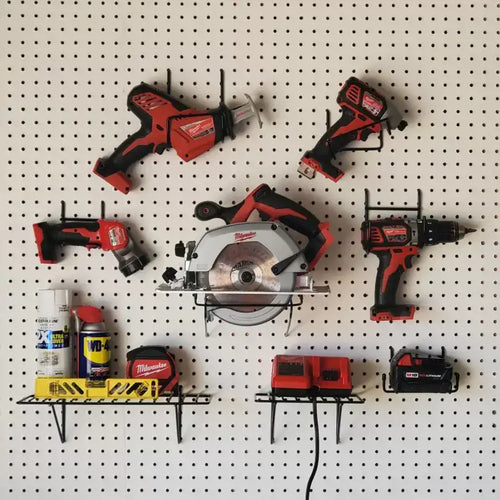
How to choose power tools in 2025?
Modern construction and repair work is unthinkable without quality power tools. Choosing the right tool is essential ...
-

How to choose a robot vacuum cleaner?
The question of how to choose a robot vacuum cleaner has been relevant since the appearance of these smart devices on...
-
How to set the refrigerator temperature?
Setting the refrigerator temperature correctly is essential to ensure that products retain their nutritional value fo...
-

Air conditioner for 40 square meters - everything you need to know before buying
There are several important factors to consider when selecting the right air conditioner for a 40 m² room in 2025, en...
-

Intex or Bestway - which pool to choose?
When shopping for an outdoor framed pool, you've probably come across Bestway and Intex pools. Both brands offer a wi...
-

Overview of air conditioner features - what each one means
A modern air conditioner has many features, some of which are easy to guess by their names, but in advertising campai...
-
The most comprehensive review of DELONGHI coffee machines
DeLonghi is an Italian premium brand known for its high-quality home appliances, especially coffee machines . The com...
