
Why is a hammer one of the most necessary tools?
The hammer is one of the oldest and most important tools, used in many mechanical and construction processes. Its history has evolved over many centuries and has survived to the present day as an essential part of material handling and construction.
The history of the hammer
The origin of the hammer dates back to early times when our ancestors began to work with stones and wood. Early hammers were mostly made of solid stones or pieces of wood.
Around 5,000 years ago, with the development of the first metallurgical technologies, the shapes and materials of hammers improved significantly. As a result, we got more efficient and durable hammers that were suitable for different types of work.

Hammer structure and types
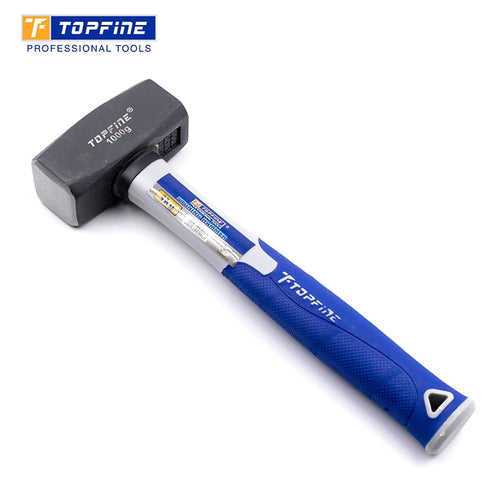
The basic structure of a hammer consists of a head and a shank, which is used to hold the tool in place. There are different types of hammers, which are specifically designed for different jobs:
- Basic hammer - used in the processing of various materials, such as wood and metal.
- Ceramic hammer - often used when working on wood or sensitive surfaces to prevent damage to the surface.
- Atlantic Hammer - This hammer is used in the metalworking process.
Technologies and innovations
In recent years, there have been significant innovations in hammer design. The durability and functionality of modern hammers have increased as a result of better material choices and technological advances. Hammers made from these materials are lighter and have excellent balance.

The meaning of the hammer
The hammer is not only essential for construction and mechanical processes, but it also has great cultural and historical significance. It represents the technological capabilities and working style of our ancestors. In the context of the modern world, the hammer is still an important tool that many people use every day for various tasks.
The hammer is a sovereign testament to how one simple yet effective tool can continue its role and significance for centuries.
Popular models

 ხარისხის გარანტია




შესაძლოა დაგაინტერესოთ
-
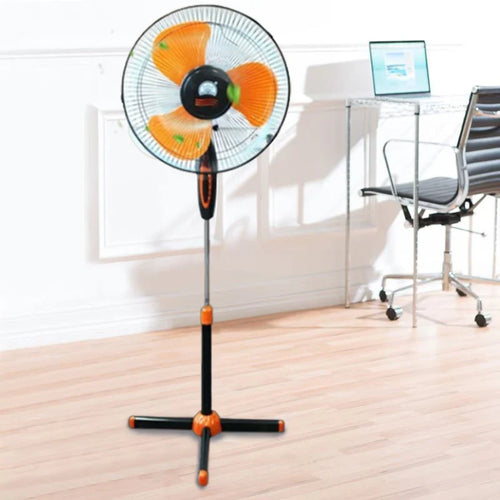
How to choose a fan?
As soon as summer arrives, the first thing that comes to mind is a fan . Fresh air circulation in the heat, rapid coo...
-
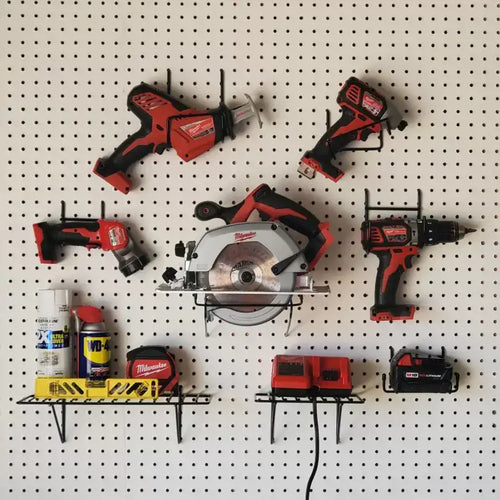
How to choose power tools in 2025?
Modern construction and repair work is unthinkable without quality power tools. Choosing the right tool is essential ...
-

How to choose a robot vacuum cleaner?
The question of how to choose a robot vacuum cleaner has been relevant since the appearance of these smart devices on...
-

How to set the refrigerator temperature?
Setting the refrigerator temperature correctly is essential to ensure that products retain their nutritional value fo...
-

Air conditioner for 40 square meters - everything you need to know before buying
There are several important factors to consider when selecting the right air conditioner for a 40 m² room in 2025, en...
-

Intex or Bestway - which pool to choose?
When shopping for an outdoor framed pool, you've probably come across Bestway and Intex pools. Both brands offer a wi...
-

Overview of air conditioner features - what each one means
A modern air conditioner has many features, some of which are easy to guess by their names, but in advertising campai...
-
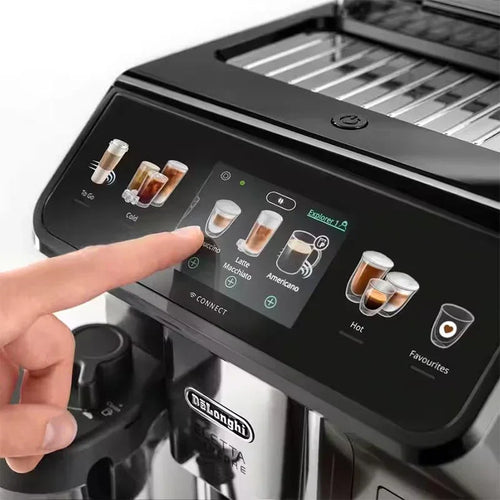
The most comprehensive review of DELONGHI coffee machines
DeLonghi is an Italian premium brand known for its high-quality home appliances, especially coffee machines . The com...
