
Porcelain and ceramic teapots
Creating the perfect tea set starts with finding the perfect teapot .
The blog will present information on porcelain and ceramic teapots according to their advantages.

Advantages of porcelain teapots
Delicate, sophisticated appearance: Porcelain teapots are very popular because of their transparent and sophisticated appearance.
Low heat transfer: Porcelain does not transfer heat as well as stainless steel.
Relatively durable: Although not as strong as stainless steel, porcelain is generally less likely to break than a ceramic teapot.
Disadvantages of porcelain teapots
Low heat retention: The reason porcelain feels cool to the touch. This means that the liquid cools relatively quickly.
Possible thermal shock: In the past, porcelain could crack if immediately poured with boiling hot water. However, thermal shock is now less likely due to the elimination of flaws and better vitrification.

Advantages of ceramic teapots
Heat Retention: Ceramic teapots offer average heat retention. They are unlikely to be too hot to hold tea or to overheat.
Wide range of designs: Not only are many teapots made from ceramic, but this versatile material is also available in a wide range of sizes and in both modern and traditional designs.
Disadvantages of ceramic teapots
Potential flavor retention: The interior of a glazed or unglazed teapot can absorb flavors over time and spoil the beverage. This is why there are so few commercial ceramic teapots.
Low resistance to damage: Some ceramic teapots can be damaged more easily than porcelain or stainless steel teapots. Fortunately, modern teapot manufacturers take care to maximize the resistance of their teapots. There is also a wide selection of replacement lids available.
Cleaning: A ceramic teapot may be slightly more prone to staining than porcelain and therefore requires a quick extra cleaning from time to time to remove internal tea stains.
Popular models

 კომერციული გარანტია 3 თვე



შესაძლოა დაგაინტერესოთ
-
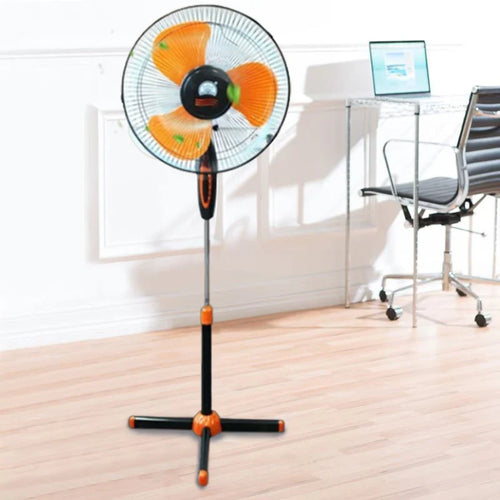
How to choose a fan?
As soon as summer arrives, the first thing that comes to mind is a fan . Fresh air circulation in the heat, rapid coo...
-
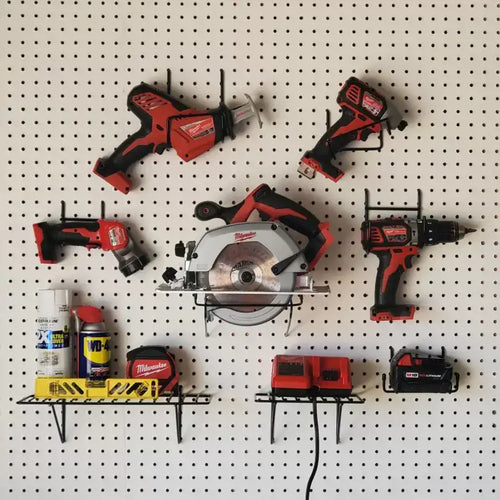
How to choose power tools in 2025?
Modern construction and repair work is unthinkable without quality power tools. Choosing the right tool is essential ...
-
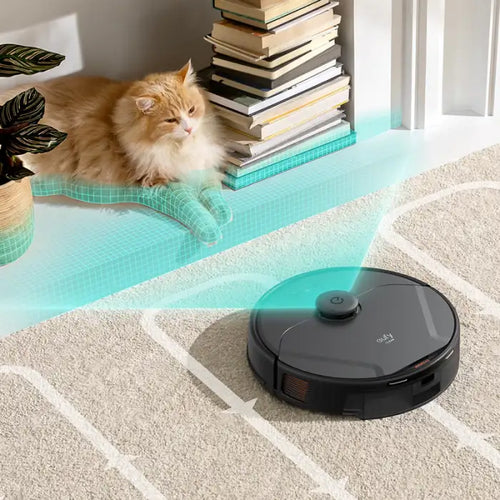
How to choose a robot vacuum cleaner?
The question of how to choose a robot vacuum cleaner has been relevant since the appearance of these smart devices on...
-
How to set the refrigerator temperature?
Setting the refrigerator temperature correctly is essential to ensure that products retain their nutritional value fo...
-
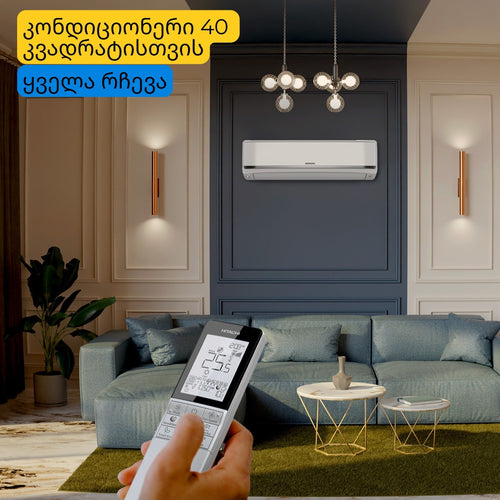
Air conditioner for 40 square meters - everything you need to know before buying
There are several important factors to consider when selecting the right air conditioner for a 40 m² room in 2025, en...
-

Intex or Bestway - which pool to choose?
When shopping for an outdoor framed pool, you've probably come across Bestway and Intex pools. Both brands offer a wi...
-

Overview of air conditioner features - what each one means
A modern air conditioner has many features, some of which are easy to guess by their names, but in advertising campai...
-
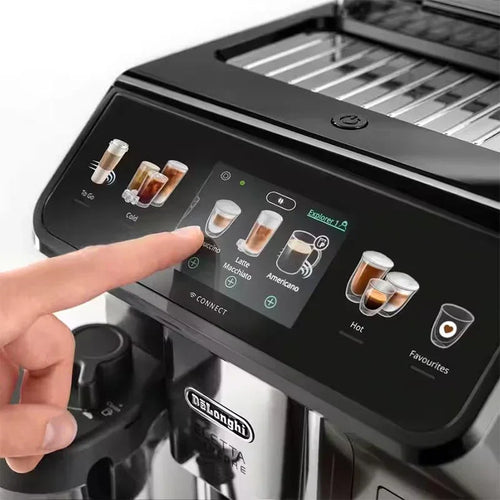
The most comprehensive review of DELONGHI coffee machines
DeLonghi is an Italian premium brand known for its high-quality home appliances, especially coffee machines . The com...
