
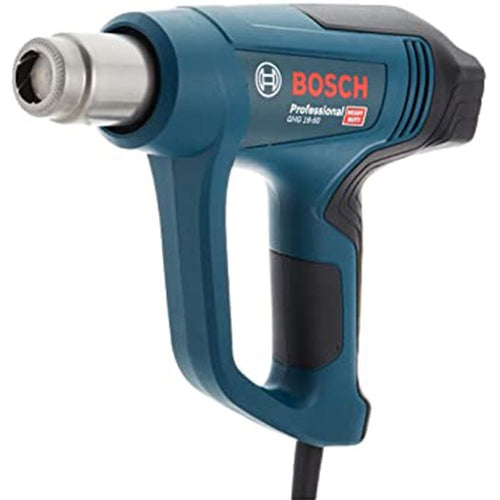
Understand how a hair dryer works and learn about its several types!
If you are looking for a technical coating to dry paint quickly, there are several options depending on your specific needs and the scale of your operations.
Here are some types of technical layers used to dry paint:
Convection dryers : These dryers use heated air to speed up the drying process. They typically consist of a chamber or conveyor system where the painted items are exposed to a controlled flow of hot air. Convection dryers are versatile and can handle painted objects of various sizes and shapes.
Infrared dryers: Infrared radiation is used in these dryers to heat and dry paint. The infrared energy is absorbed by the paint, causing it to dry quickly. Infrared dryers are particularly effective at drying thick layers of paint and are often used in automotive refinishing applications.

UV Curing Systems: UV curing is a fast and energy-efficient method of curing paint. UV paints contain photo-initiators that react when exposed to UV light, rapidly curing the paint. UV curing systems consist of UV lamps that emit intense UV light to instantly cure the paint.
Vacuum Drying: Vacuum drying is a specialized method used to dry paints and coatings. With vacuum drying, the pressure is reduced to lower the boiling point of the solvents in the paint, allowing them to evaporate quickly even at low temperatures. Vacuum drying is useful for heat-sensitive paints or when low energy consumption is desired.
When choosing a technical coating, consider factors such as the type and thickness of paint, the size and shape of the items being painted, the desired drying speed, energy efficiency, and the available space in your facility. It is advisable to consult with equipment manufacturers or industrial drying systems specialists to find the best solution for your specific needs.
How does a hair dryer work?
A technical dryer works by removing moisture or solvents from a wide range of materials, such as textiles, plastics, food products, chemicals, and dyes such as paint. While the specific mechanisms may vary depending on the type of dryer, here is a general overview of how an industrial dryer works:
Loading: The material to be dried is loaded into the dryer, either manually or automatically, depending on the system design.

Heating: The dryer applies heat to increase the temperature of the material. This can be achieved through various heat sources, the choice of heat source depends on the type of dryer and the characteristics of the material to be dried.
Air circulation: Technical layers typically use a system to circulate air. This air flow helps transfer heat to the material and remove moisture or solvents in the form of vapor.
Evaporation : As heated air circulates, moisture or solvents in the material begin to evaporate. The increased temperature and air movement promote the evaporation process, causing the moisture or solvents to change from a liquid or semi-liquid state to a vapor.
Popular models


 კომერციული გარანტია 2 წელი



შესაძლოა დაგაინტერესოთ
-
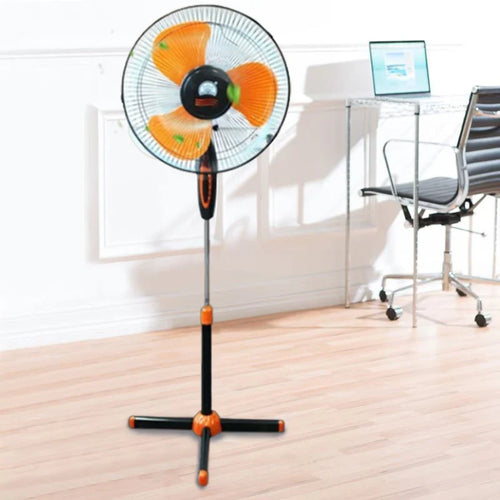
How to choose a fan?
As soon as summer arrives, the first thing that comes to mind is a fan . Fresh air circulation in the heat, rapid coo...
-
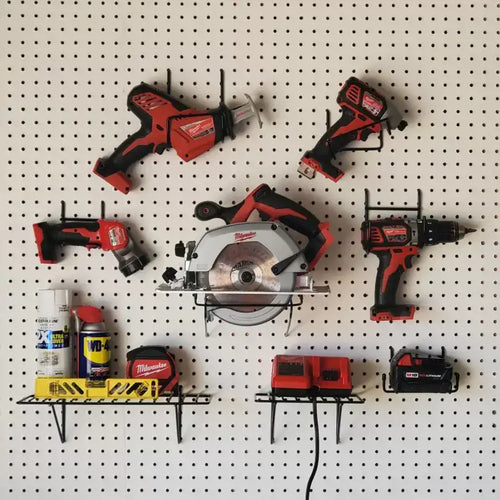
How to choose power tools in 2025?
Modern construction and repair work is unthinkable without quality power tools. Choosing the right tool is essential ...
-

How to choose a robot vacuum cleaner?
The question of how to choose a robot vacuum cleaner has been relevant since the appearance of these smart devices on...
-

How to set the refrigerator temperature?
Setting the refrigerator temperature correctly is essential to ensure that products retain their nutritional value fo...
-

Air conditioner for 40 square meters - everything you need to know before buying
There are several important factors to consider when selecting the right air conditioner for a 40 m² room in 2025, en...
-

Intex or Bestway - which pool to choose?
When shopping for an outdoor framed pool, you've probably come across Bestway and Intex pools. Both brands offer a wi...
-

Overview of air conditioner features - what each one means
A modern air conditioner has many features, some of which are easy to guess by their names, but in advertising campai...
-

The most comprehensive review of DELONGHI coffee machines
DeLonghi is an Italian premium brand known for its high-quality home appliances, especially coffee machines . The com...
