
What types of inhalers are there?
Asthma and chronic obstructive pulmonary disease (COPD) are long-term respiratory conditions that make it difficult for a person to breathe.
Neither disease can be cured, but treatments are available. The most common treatment options include the use of a handheld inhaler or nebulizer. Inhaling medications directly into the airways. These medications help reduce inflammation, open up the airways, and remove mucus buildup in the lungs.

Types of inhalers:
Most types of inhalers are small enough to fit in a pocket. Types of inhalers include metered dose inhalers (MDIs), dry powder inhalers (DPI) and soft mist inhalers (SMIs).
Each type of handheld inhaler works on the same principle. They deliver medication through inhalation. To use an inhaler, a person closes their mouth around the inhaler and breathes in the medication from the container.
However, there are a few differences. For example:
- An MDI contains medication in the form of an aerosol. The person must press the trigger to activate the propellant and inhale simultaneously.
- DPIs deliver medication without a propellant. A person inhales the medication into their lungs through internal respiration.
- A DPI is similar to an SMI in that a person uses their internal breathing to inhale the medication. However, SMIs have larger particles than MIDs and DPIs, and the medication is delivered to the lungs more slowly, meaning that a person can get more of the medication into their lungs.

Each type of inhaler has advantages and disadvantages, and its effectiveness depends on how much medication reaches a person's lungs.
Some researchers suggest that doctors should consider personality characteristics when deciding which type of inhaler to prescribe.
However, when treating children with asthma under the age of 5, a doctor will usually prescribe a valved chamber along with a mask.
შესაძლოა დაგაინტერესოთ
-
How to choose a fan?
As soon as summer arrives, the first thing that comes to mind is a fan . Fresh air circulation in the heat, rapid coo...
-
How to choose power tools in 2025?
Modern construction and repair work is unthinkable without quality power tools. Choosing the right tool is essential ...
-
How to choose a robot vacuum cleaner?
The question of how to choose a robot vacuum cleaner has been relevant since the appearance of these smart devices on...
-
How to set the refrigerator temperature?
Setting the refrigerator temperature correctly is essential to ensure that products retain their nutritional value fo...
-

Air conditioner for 40 square meters - everything you need to know before buying
There are several important factors to consider when selecting the right air conditioner for a 40 m² room in 2025, en...
-

Intex or Bestway - which pool to choose?
When shopping for an outdoor framed pool, you've probably come across Bestway and Intex pools. Both brands offer a wi...
-

Overview of air conditioner features - what each one means
A modern air conditioner has many features, some of which are easy to guess by their names, but in advertising campai...
-
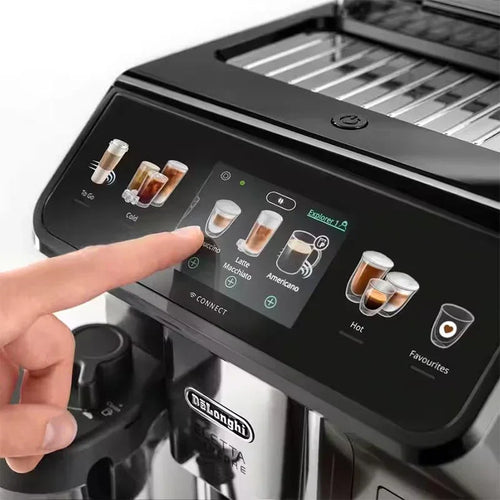
The most comprehensive review of DELONGHI coffee machines
DeLonghi is an Italian premium brand known for its high-quality home appliances, especially coffee machines . The com...
