
How were lights invented?
A light fixture is an electrical device that contains an electrical component called a lamp that provides illumination. All fixtures have a mounting housing and one or more bulbs. The bulbs may be in sockets for easy replacement.
Devices may also have a switch to control the light.

The lights require an electrical connection to a power source, usually AC power, but some are battery-operated for emergency lighting.
Lighting fixtures may also have other features such as reflectors to direct the light, a diaphragm (with or without a lens), an outer casing or housing to align and protect the lamp, an electrical ballast or power supply, and a shade to diffuse the light. Turn on or direct it toward a work area (e.g., a desk lamp).

Modern lighting began with the invention of the incandescent electric light bulb around 1870.
An incandescent lamp is a lamp in which a filament emits light when heated to incandescence by an electric current. The incandescent lamp was not the first lamp to use electricity; lighting devices that used an electric arc struck between carbon electrodes were developed in the early 19th century. These arc lamps, as they were called, were reliable but labor-intensive devices that were best used for street lighting.
Popular models


 კომერციული გარანტია 1 წელი


შესაძლოა დაგაინტერესოთ
-
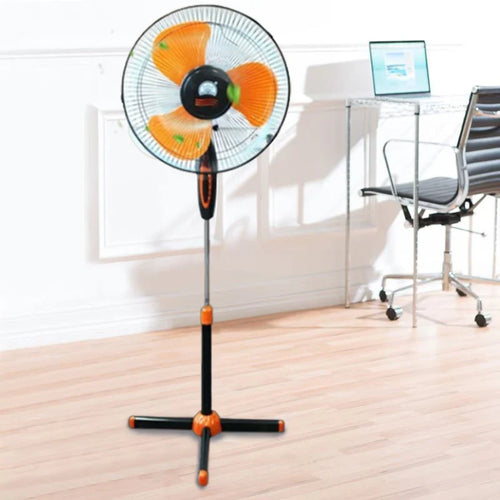
How to choose a fan?
As soon as summer arrives, the first thing that comes to mind is a fan . Fresh air circulation in the heat, rapid coo...
-
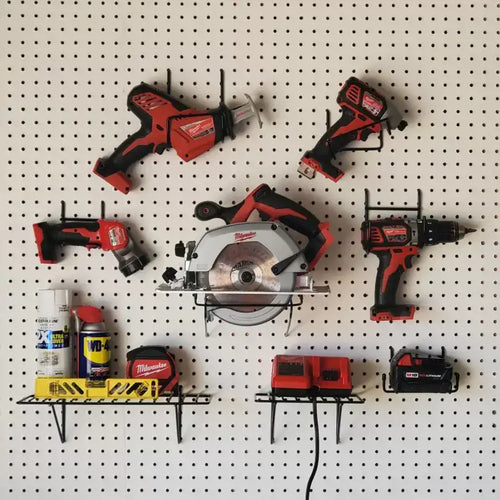
How to choose power tools in 2025?
Modern construction and repair work is unthinkable without quality power tools. Choosing the right tool is essential ...
-
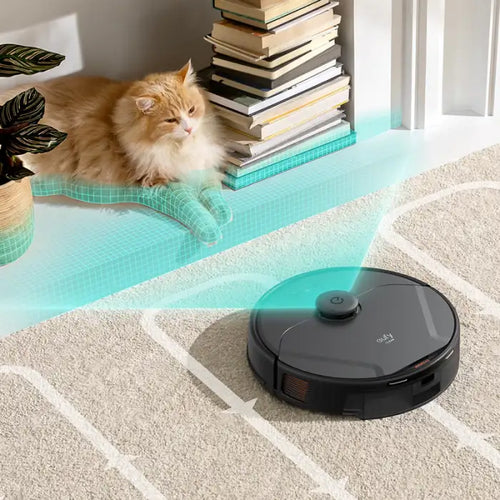
How to choose a robot vacuum cleaner?
The question of how to choose a robot vacuum cleaner has been relevant since the appearance of these smart devices on...
-
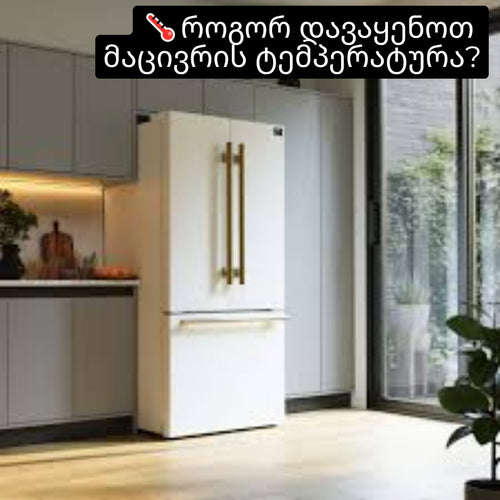
How to set the refrigerator temperature?
Setting the refrigerator temperature correctly is essential to ensure that products retain their nutritional value fo...
-
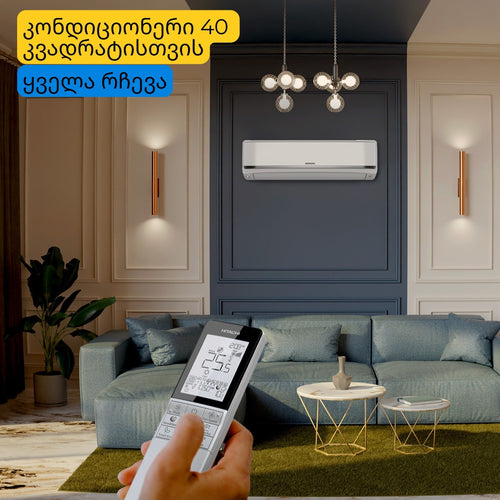
Air conditioner for 40 square meters - everything you need to know before buying
There are several important factors to consider when selecting the right air conditioner for a 40 m² room in 2025, en...
-
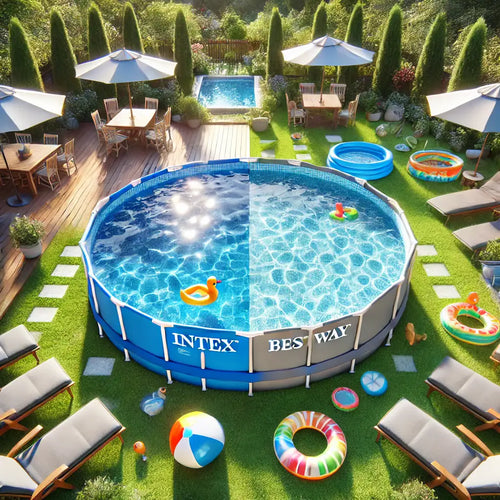
Intex or Bestway - which pool to choose?
When shopping for an outdoor framed pool, you've probably come across Bestway and Intex pools. Both brands offer a wi...
-
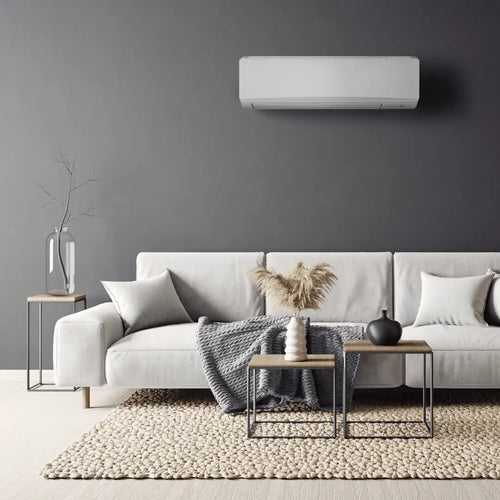
Overview of air conditioner features - what each one means
A modern air conditioner has many features, some of which are easy to guess by their names, but in advertising campai...
-
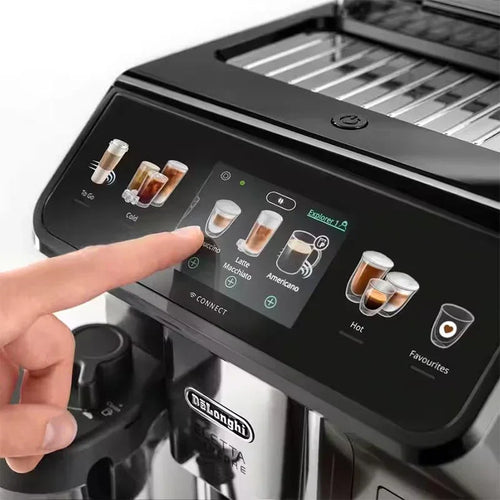
The most comprehensive review of DELONGHI coffee machines
DeLonghi is an Italian premium brand known for its high-quality home appliances, especially coffee machines . The com...
