
What function do chandeliers and lights have in our everyday lives?
Any lamp is an artificial source of light. It is a light-producing device that originally had a much different shape than it does today, and its operating principle was also much different.
Earlier lighting devices used a wick soaked in combustible materials and in this way illuminated the environment. Its name was also different and it was called a lamp. Over the past 100 years, lamps have become an integral part of our daily lives.

There are different types of lamps and chandeliers available on the market , and their areas of application are also different. These lamps differ from each other in shape, size, design, working principle, materials used during production, and most importantly - their energy efficiency. In our blog, we offer you a list of different types of lamps, which will help you make an informed choice:
- Incandescent lamps
- Tungsten halogen lamps
- Fluorescent lights
- Compact fluorescent lamps
- Mercury vapor lamps
- Metal halide lamps
- High pressure sodium vapor lamps
- Low pressure sodium vapor lamps
- LED lights
Do you know how lamps and chandeliers work? Lamps emit light when an electric current passes through them. All lamps have thin wire filaments that become very hot and emit light. The filaments are made of a metal that has a high melting point.

I think we can all agree on the functionality and necessity of chandeliers and lights. They provide the lighting we need to perform daily activities. For example, we need a well-lit room so we can walk safely at night.
One of the most common types of lighting is a desk lamp. If reading a book before bed is part of your evening ritual, you have a schoolchild or student who studies late into the night, and/or if you have work that you have to finish late at night, there is no alternative to desk lamps.
Popular models


 კომერციული გარანტია 1 წელი


შესაძლოა დაგაინტერესოთ
-
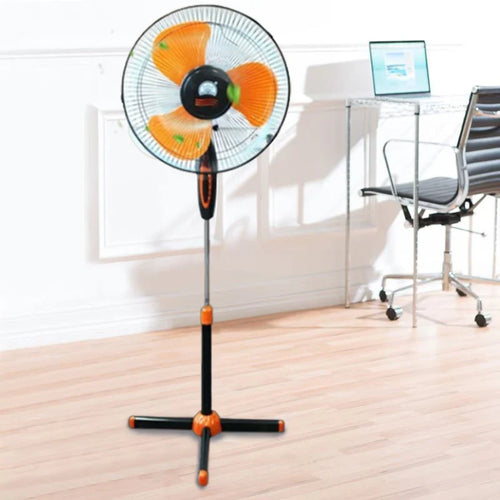
How to choose a fan?
As soon as summer arrives, the first thing that comes to mind is a fan . Fresh air circulation in the heat, rapid coo...
-

How to choose power tools in 2025?
Modern construction and repair work is unthinkable without quality power tools. Choosing the right tool is essential ...
-

How to choose a robot vacuum cleaner?
The question of how to choose a robot vacuum cleaner has been relevant since the appearance of these smart devices on...
-
How to set the refrigerator temperature?
Setting the refrigerator temperature correctly is essential to ensure that products retain their nutritional value fo...
-
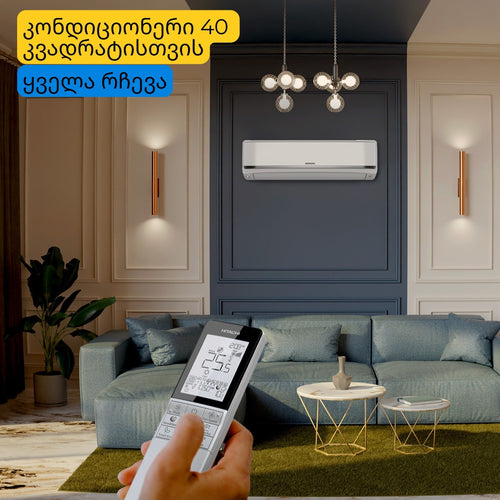
Air conditioner for 40 square meters - everything you need to know before buying
There are several important factors to consider when selecting the right air conditioner for a 40 m² room in 2025, en...
-

Intex or Bestway - which pool to choose?
When shopping for an outdoor framed pool, you've probably come across Bestway and Intex pools. Both brands offer a wi...
-

Overview of air conditioner features - what each one means
A modern air conditioner has many features, some of which are easy to guess by their names, but in advertising campai...
-
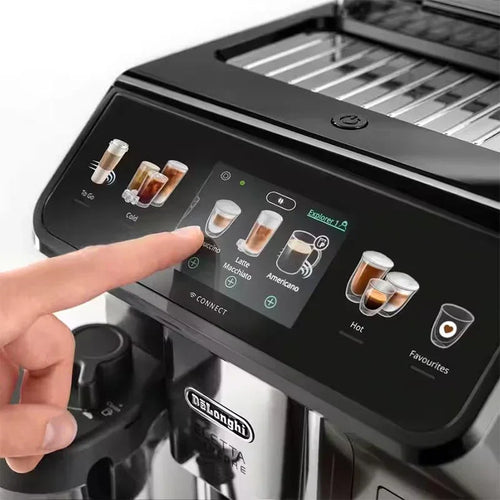
The most comprehensive review of DELONGHI coffee machines
DeLonghi is an Italian premium brand known for its high-quality home appliances, especially coffee machines . The com...
