
What safety tips should you know when using a hammer?
Hammers and other impact tools are widely used in construction and are often misused. Hammers are made for specific purposes in different types and sizes, and with different hardnesses of surface finishes.
For example, hammers are used to drive frames, nails, make cabinets, assemble furniture, etc. Hammers are designed for a purpose.

Which hammer should you choose?
- Choose a hammer with a striking blade diameter of approximately 12 mm (0.5 inches).
- Choose a hammer with a cushioned handle that will protect you from vibration, impact, and tight pressure.
- Use hammers with electrically insulated handles to work on or around exposed energized parts.
- Make sure the hammer head is firmly attached to the handle.
- Replace loose, cracked, or chipped handles.
- Clean the work area of debris.
- Throw away any hammer that has a mushroom-shaped or worn surface or cracks in the claws.
- Wear protective glasses or a face shield.
- Strike the hammer parallel to the striking surface. Always avoid excessive blows. (Hammers with angled faces are less likely to chip or break.)
- Look back and up before striking the hammer. Keep a sufficient distance from co-workers.
- Maintain a secure footing and maintain good balance when using the hammer.

What should you avoid!
- Do not use hammers with sharp edges, as they can cut off circulation in your finger after prolonged use.
- Do not use a hammer with a hammer that has scratches, cracks, or excessive wear.
- Do not use the hammer for any purpose for which it was not designed or intended.
- Do not use one hammer to hit another hammer, other heavy metal objects, stones or concrete.
- Avoid awkward positions when using the hammer to prevent strain.
- Do not repair, grind, weld, or machine the hammer head.
- Do not hit the hammer with the side or cheek.
Popular models

 ხარისხის გარანტია



შესაძლოა დაგაინტერესოთ
-
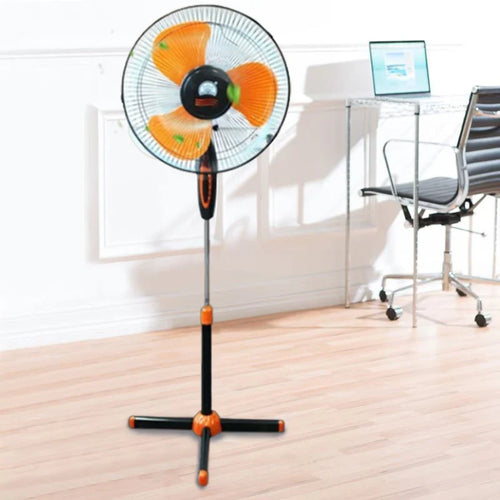
How to choose a fan?
As soon as summer arrives, the first thing that comes to mind is a fan . Fresh air circulation in the heat, rapid coo...
-
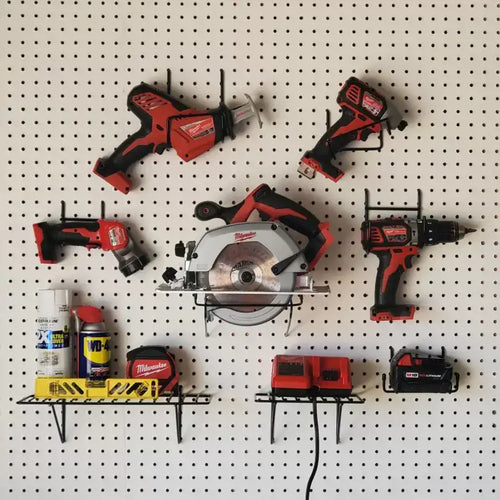
How to choose power tools in 2025?
Modern construction and repair work is unthinkable without quality power tools. Choosing the right tool is essential ...
-

How to choose a robot vacuum cleaner?
The question of how to choose a robot vacuum cleaner has been relevant since the appearance of these smart devices on...
-

How to set the refrigerator temperature?
Setting the refrigerator temperature correctly is essential to ensure that products retain their nutritional value fo...
-

Air conditioner for 40 square meters - everything you need to know before buying
There are several important factors to consider when selecting the right air conditioner for a 40 m² room in 2025, en...
-

Intex or Bestway - which pool to choose?
When shopping for an outdoor framed pool, you've probably come across Bestway and Intex pools. Both brands offer a wi...
-

Overview of air conditioner features - what each one means
A modern air conditioner has many features, some of which are easy to guess by their names, but in advertising campai...
-
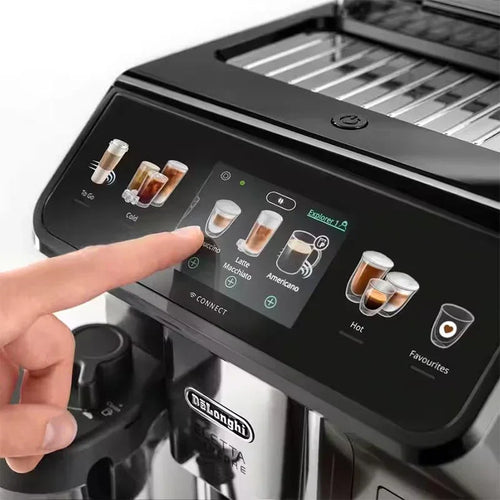
The most comprehensive review of DELONGHI coffee machines
DeLonghi is an Italian premium brand known for its high-quality home appliances, especially coffee machines . The com...
