
At what speed do the fans operate?
Fans are used to circulate air in rooms and buildings; to cool engines and transmissions; to cool and dry people or products; to remove dust and pollutants from the air; to move light materials; for forced draft in steam boilers; and in heating, ventilation, and air conditioning systems.

A fan consists of radial blades mounted on a central rotating hub. The rotating assembly of blades and hub is known as an impeller; and it may or may not be enclosed in a main body. Fans may be driven by an electric motor, an internal combustion engine, a steam turbine, a gas turbine, or other motive power.
Closed fans can be classified as centrifugal or axial fans.
With centrifugal fans, air is drawn through an inlet pipe into the center of the impeller, or eye, which forces it radially outward into a coil, or spiral casing, from which it flows toward the discharge pipe.

In an axial fan, the air rotates essentially without changing its distance from the axis of rotation. There is no centrifugal effect. The guide vanes, or stator blades, serve to streamline the airflow and improve efficiency.
In general, an axial fan is suitable for relatively large flow rates with relatively small pressure gain, while a centrifugal fan is suitable for small flow rates and large pressure gain.
In reality, the pressure in the fan is small compared to the pressure developed in the compressor. The capacity of the fans ranges from 100 to 500,000 cubic meters per minute (3 to 14,000 cubic meters per minute).
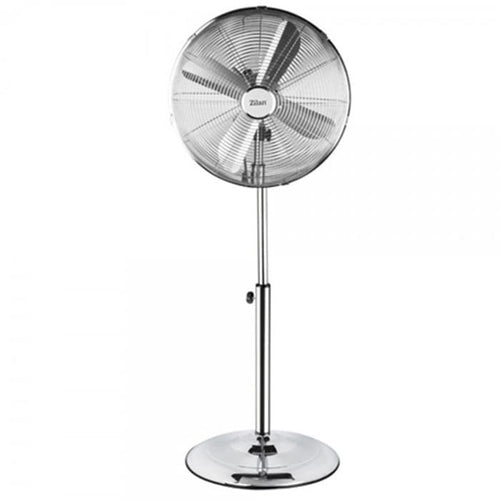
Popular models

 კომერციული გარანტია 1 წელი


შესაძლოა დაგაინტერესოთ
-
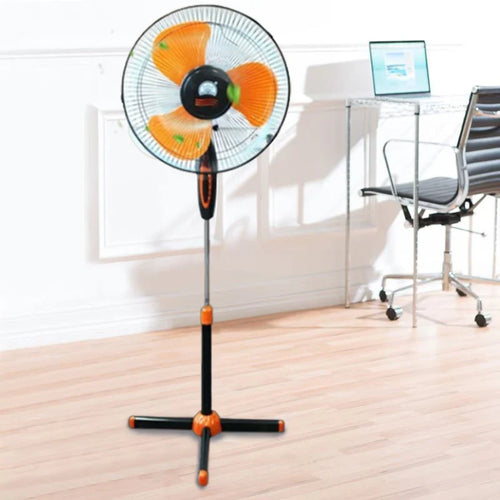
How to choose a fan?
As soon as summer arrives, the first thing that comes to mind is a fan . Fresh air circulation in the heat, rapid coo...
-

How to choose power tools in 2025?
Modern construction and repair work is unthinkable without quality power tools. Choosing the right tool is essential ...
-

How to choose a robot vacuum cleaner?
The question of how to choose a robot vacuum cleaner has been relevant since the appearance of these smart devices on...
-

How to set the refrigerator temperature?
Setting the refrigerator temperature correctly is essential to ensure that products retain their nutritional value fo...
-
Air conditioner for 40 square meters - everything you need to know before buying
There are several important factors to consider when selecting the right air conditioner for a 40 m² room in 2025, en...
-

Intex or Bestway - which pool to choose?
When shopping for an outdoor framed pool, you've probably come across Bestway and Intex pools. Both brands offer a wi...
-
Overview of air conditioner features - what each one means
A modern air conditioner has many features, some of which are easy to guess by their names, but in advertising campai...
-
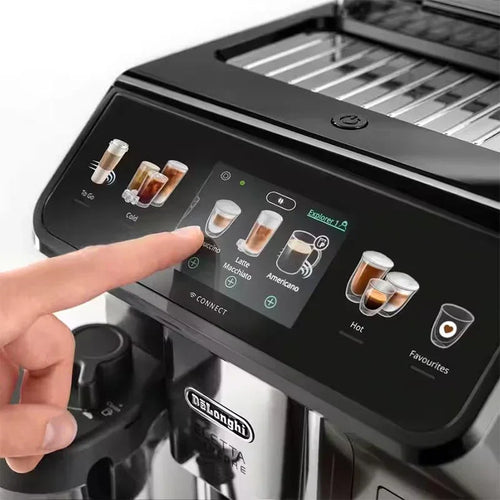
The most comprehensive review of DELONGHI coffee machines
DeLonghi is an Italian premium brand known for its high-quality home appliances, especially coffee machines . The com...
