
What materials can you use a perforator to work on?
A perforator is a versatile power tool that is commonly used to drill holes in various materials such as wood, metal, plastic, and stone.
This is an essential tool for DIY enthusiasts, carpenters, construction workers, and professionals in various industries.

Here are the main features and components of an electric drill:
- Engine: The engine is the main component that powers the perforator. A perforator can have different power ratings, measured in watts or volts, which determines their The capabilities of the perforator .
- Switch: Switch The switch is used to control the speed of the drill. Applying varying pressure on the trigger allows the user to adjust the speed of the drill.
- Forward/Reverse Switch: This switch allows you to change the direction of rotation. This feature is convenient for tasks such as:
- Speed control: on some electric Perforator Has variable speed settings, allowing users to control the drilling speed depending on the material being drilled.
- Handle: Many hammer drills have a handle to provide better control and stability while operating the tool. Some handles are adjustable for user comfort.
- Depth stop: This feature helps you control the depth of the hole you are drilling, preventing you from drilling too deep.
- Battery (for cordless drills): Cordless drills are powered by rechargeable batteries. The voltage and capacity of the battery affect the power and runtime of the drill.
The perforator is available in corded and cordless versions. Cordless A perforator offers greater mobility, but may have limited battery life, while a corded The perforator provides uninterrupted power supply, but requires plugging into an electrical outlet. The choice between corded and cordless depends on the specific needs of the user and the intended applications.

What materials can you use a perforator with:
1. Tree :- - Perforator Usually used for woodworking work.
- - Specialized wood drill bits, often used for woodworking.
- - Metalworking tasks involve Use a hammer drill with metal drill bits. High-speed steel (HSS) or cobalt drill bits are suitable for drilling in metal.
- - Perforator Lubrication with cutting oil can improve performance and extend the life of the drill bit.
- - Drilling in plastic requires careful handling to avoid cracking or melting. It is often recommended Using a low speed setting on the hammer drill .
- - Regular drill bits work well for plastic.
- - When drilling into stone or concrete, a stone drill with a carbide tip is necessary.
- - Drilling on ceramic or tile surfaces requires a specialized drill bit, known as a glass drill bit.
- - Using water as a coolant during drilling can prevent overheating.
- - Drilling glass requires special care. Diamond-tipped drill bits are usually used for drilling into glass.
- - Slow speeds and constant lubrication with water or oil are crucial to prevent cracks.
Remember to always use the appropriate drill bit for the material you are working with and consider the drilling speed and feed rate for optimal results. Additionally, wearing protective gear, such as safety glasses, is important to protect your eyes from debris generated during drilling.
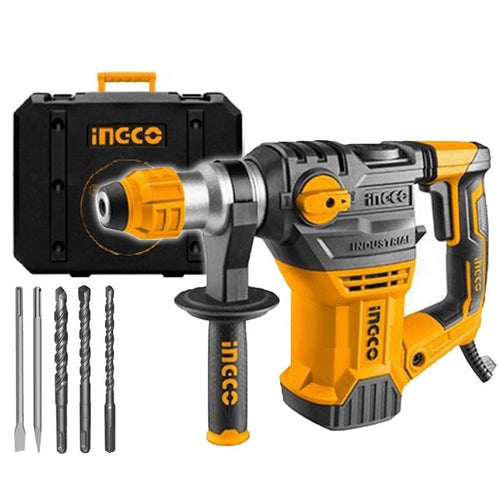
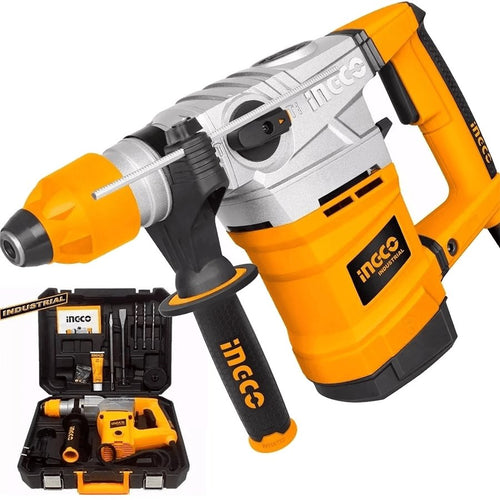
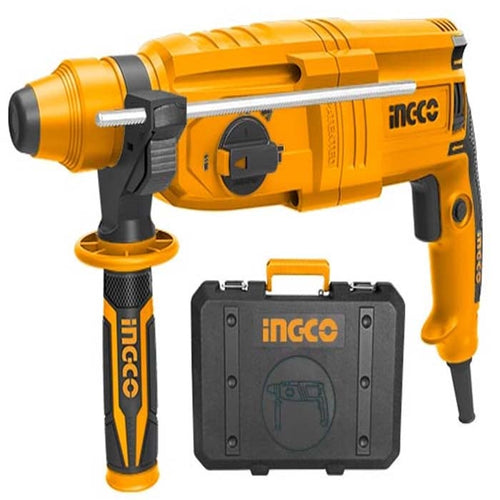
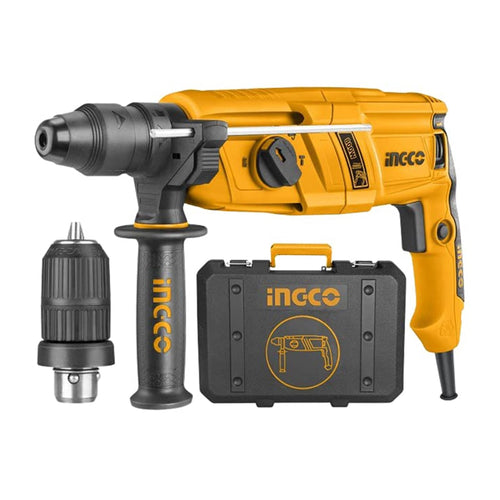
Popular models

 კომერციული გარანტია 2 წელი



შესაძლოა დაგაინტერესოთ
-
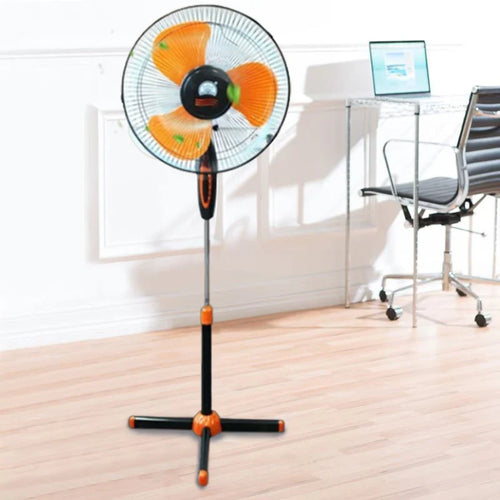
How to choose a fan?
As soon as summer arrives, the first thing that comes to mind is a fan . Fresh air circulation in the heat, rapid coo...
-
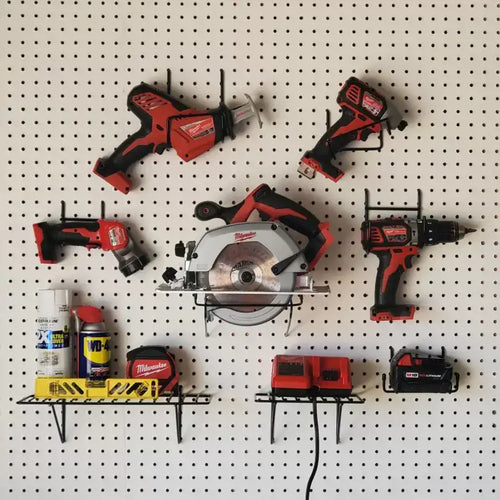
How to choose power tools in 2025?
Modern construction and repair work is unthinkable without quality power tools. Choosing the right tool is essential ...
-

How to choose a robot vacuum cleaner?
The question of how to choose a robot vacuum cleaner has been relevant since the appearance of these smart devices on...
-

How to set the refrigerator temperature?
Setting the refrigerator temperature correctly is essential to ensure that products retain their nutritional value fo...
-

Air conditioner for 40 square meters - everything you need to know before buying
There are several important factors to consider when selecting the right air conditioner for a 40 m² room in 2025, en...
-

Intex or Bestway - which pool to choose?
When shopping for an outdoor framed pool, you've probably come across Bestway and Intex pools. Both brands offer a wi...
-

Overview of air conditioner features - what each one means
A modern air conditioner has many features, some of which are easy to guess by their names, but in advertising campai...
-
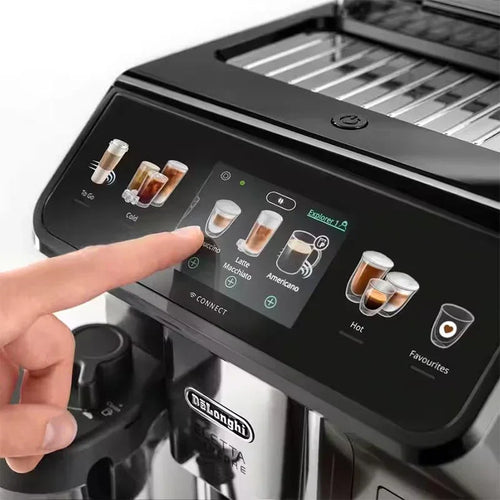
The most comprehensive review of DELONGHI coffee machines
DeLonghi is an Italian premium brand known for its high-quality home appliances, especially coffee machines . The com...
