
What additional functions does the radio nanny have?
A baby monitor is a device that allows parents or caregivers to remotely monitor the sounds and movements of a baby or young child. It typically consists of two main components: a transmitter (baby unit), which is placed near the baby, and a receiver (parent unit), which is worn by the caregiver.

Key features and components of a typical radio nanny :
1. Child section (transmitter):
- - Microphone: Picks up sounds from the baby's room.
- - Camera (video monitors): Some monitors have video capabilities, allowing caregivers to see the baby.
- - Temperature sensor: Monitors the room temperature to ensure a comfortable environment for the baby.
- - Night vision: Enables monitoring in low light conditions or complete darkness.
2. Parent unit (receiver):
- - Speaker: Plays sounds from the baby's room.
- - Display (video monitors): Displays live video from the baby's room.
- - Volume control: Adjusts the volume of the audio channel.
- - Alerts/Indicators: Notifies the caregiver about the baby's sounds and movements.
- - Battery/Power indicator: Shows remaining battery life or power status.
- - Two-way communication: Allows the caregiver to talk to the baby through the monitor.

3. Wireless connection: Many baby monitors use wireless technology, such as Wi-Fi, DECT (Digital Enhanced Cordless Telecommunications) or RF (Radio Frequency), to transmit audio and video signals between baby and parent.
4. Range: Range refers to how far a parent can be from the child's room while still maintaining a reliable connection. This is an important consideration, especially in larger homes.
5. Safety Features: With the use of wireless technology, safety features are crucial to prevent unwanted access to the baby monitor’s power supply.
6. Additional functions:
- - Lullaby: Some baby monitors have a built-in lullaby that can be played remotely.
- - Motion sensors: Alerts caregivers if movement is detected in the child's room.
- - Multiple cameras: Useful for monitoring multiple children or different rooms.
When choosing a baby monitor, consider factors such as range, audio/video quality, battery life, ease of use, and additional features, depending on your specific needs and preferences. Some monitors also integrate with smartphones and tablets, allowing parents to monitor their baby using a mobile app.
Popular models


 კომერციული გარანტია 1 წელი
შესაძლოა დაგაინტერესოთ
-
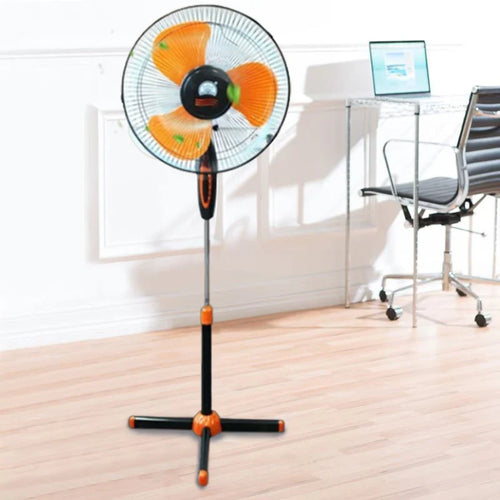
How to choose a fan?
As soon as summer arrives, the first thing that comes to mind is a fan . Fresh air circulation in the heat, rapid coo...
-

How to choose power tools in 2025?
Modern construction and repair work is unthinkable without quality power tools. Choosing the right tool is essential ...
-
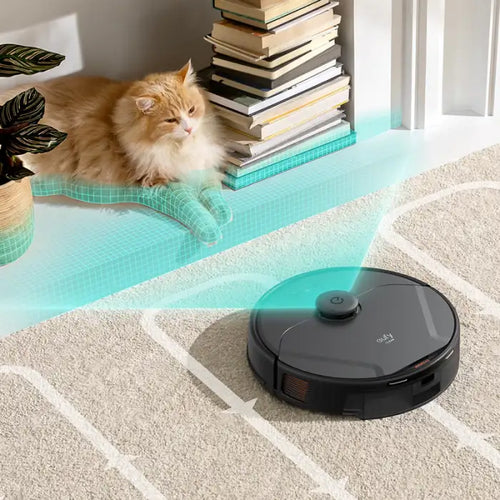
How to choose a robot vacuum cleaner?
The question of how to choose a robot vacuum cleaner has been relevant since the appearance of these smart devices on...
-
How to set the refrigerator temperature?
Setting the refrigerator temperature correctly is essential to ensure that products retain their nutritional value fo...
-
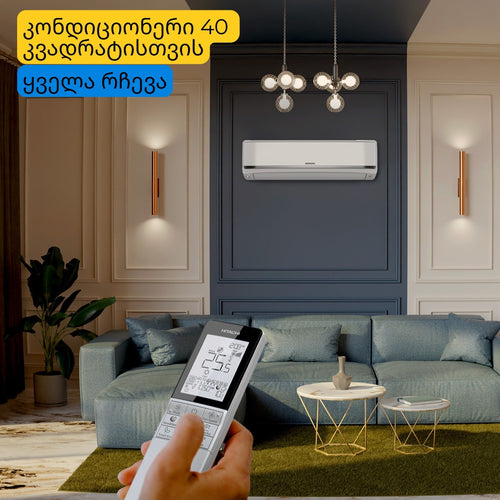
Air conditioner for 40 square meters - everything you need to know before buying
There are several important factors to consider when selecting the right air conditioner for a 40 m² room in 2025, en...
-

Intex or Bestway - which pool to choose?
When shopping for an outdoor framed pool, you've probably come across Bestway and Intex pools. Both brands offer a wi...
-
Overview of air conditioner features - what each one means
A modern air conditioner has many features, some of which are easy to guess by their names, but in advertising campai...
-
The most comprehensive review of DELONGHI coffee machines
DeLonghi is an Italian premium brand known for its high-quality home appliances, especially coffee machines . The com...
