
Jigsaw - the craftsman's secret weapon
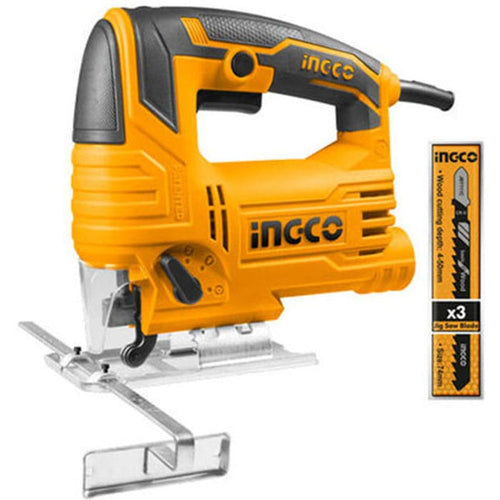
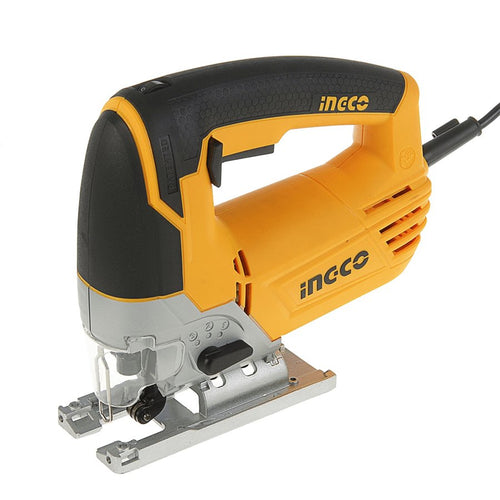
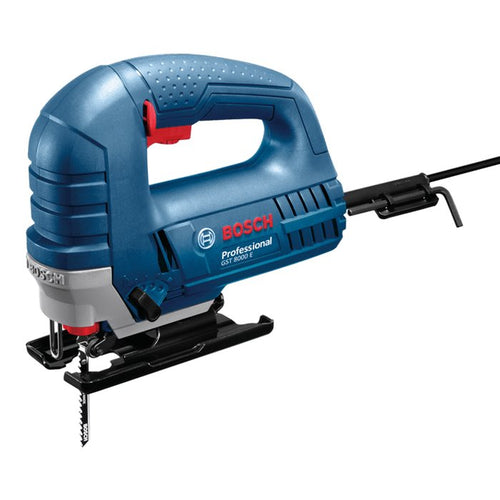
A jigsaw , also known as a jigsaw, is one of the most versatile and useful tools in any craftsman's arsenal. This small but powerful tool allows you to create intricate shapes and designs in a variety of materials, from wood to plastic and metal.
The main component of a jigsaw is a thin, flexible blade (the saw) that moves up and down at high speed. This movement allows the material to be cut in various directions, including curves. The uniqueness of a jigsaw lies in this flexibility - it allows you to make cuts that are practically impossible with other methods.
History and evolution
The history of the jigsaw goes back centuries. The first jigsaw-like tools were used in ancient Egypt. However, the modern jigsaw was created at the end of the 19th century. Since then, this tool has been significantly refined and improved.
Originally, jigsaws were only operated by hand. Today, there are both mechanical and electric versions. Electric jigsaws are especially popular among professional craftsmen because they work faster and more accurately.

Areas of application of jigsaws
- Woodworking: Jigsaws are especially popular in woodworking. They can be used to create intricate ornaments, toys, furniture details, and other decorative elements.
- Metalworking: Using special blades, a jigsaw can also cut thin metal sheets.
- Plastic processing: When creating modern household items, a jigsaw is often used to cut plastic.
- Modeling: Hobbyists and model makers often use jigsaws to make fine details.
- Repair and renovation: When renovating a home, a jigsaw is an indispensable tool for making cuts in walls, laying floors, and other tasks.
How to choose the right jigsaw?
There are several factors to consider when choosing a jigsaw:
- Power: The more powerful the motor, the more difficult materials you can work with.
- Speed control: A good jigsaw should have a speed adjustment feature for different materials.
- Orbital action: This feature increases cutting efficiency, especially when working with wood.
- Ergonomics: The jigsaw should be comfortable to hold in the hand to reduce fatigue during long periods of use.
- LED lighting: Many modern models have a built-in LED light, which improves visibility while working.

Safety when working with a jigsaw
Although a jigsaw is considered a relatively safe tool, it is still important to follow safety precautions:
- Always use protective glasses.
- Wear gloves, especially when working with metal.
- Do not place your hands near the cutting area.
- Secure the work material well.
- Regularly check and replace damaged blades.
Popular models

 კომერციული გარანტია 1 წელი




შესაძლოა დაგაინტერესოთ
-
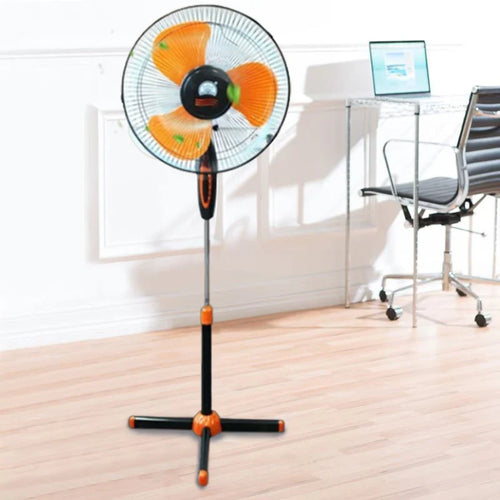
How to choose a fan?
As soon as summer arrives, the first thing that comes to mind is a fan . Fresh air circulation in the heat, rapid coo...
-
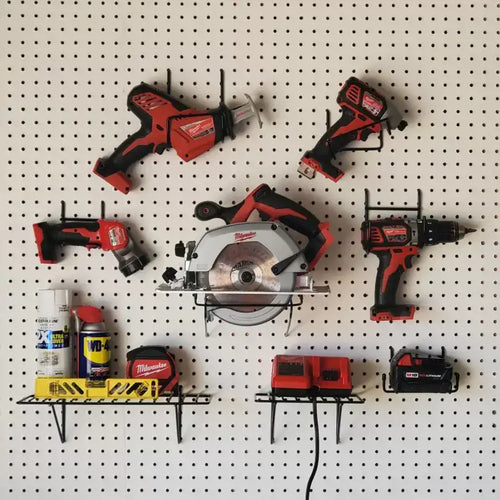
How to choose power tools in 2025?
Modern construction and repair work is unthinkable without quality power tools. Choosing the right tool is essential ...
-

How to choose a robot vacuum cleaner?
The question of how to choose a robot vacuum cleaner has been relevant since the appearance of these smart devices on...
-
How to set the refrigerator temperature?
Setting the refrigerator temperature correctly is essential to ensure that products retain their nutritional value fo...
-
Air conditioner for 40 square meters - everything you need to know before buying
There are several important factors to consider when selecting the right air conditioner for a 40 m² room in 2025, en...
-

Intex or Bestway - which pool to choose?
When shopping for an outdoor framed pool, you've probably come across Bestway and Intex pools. Both brands offer a wi...
-

Overview of air conditioner features - what each one means
A modern air conditioner has many features, some of which are easy to guess by their names, but in advertising campai...
-
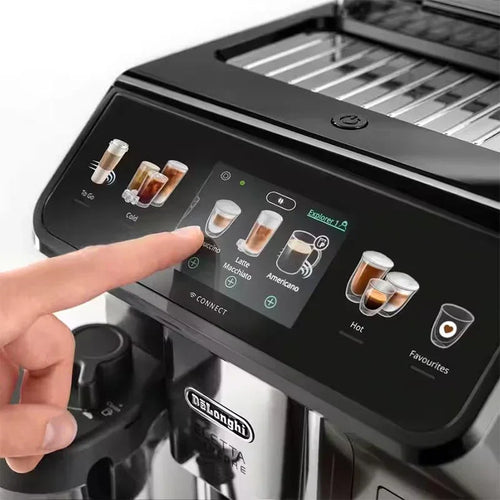
The most comprehensive review of DELONGHI coffee machines
DeLonghi is an Italian premium brand known for its high-quality home appliances, especially coffee machines . The com...
