
High pressure water pump
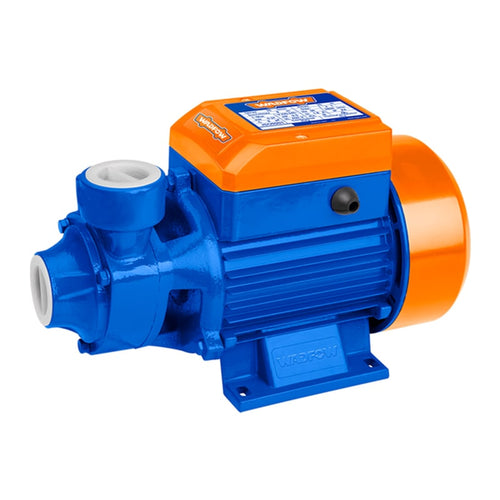
A high-pressure water pump is a device used to increase the pressure of a water flow in various applications such as industrial processes, firefighting, irrigation, and pressure washing.
These pumps are designed to handle high water pressures, typically from a few hundred to a few thousand pounds per square inch (psi).

Main components and features of high pressure water pumps:
1. Pump mechanism: High-pressure water pumps can use a variety of mechanisms to increase pressure. Common types include reciprocating piston pumps, diaphragm pumps, and centrifugal pumps.
2. Motor: These pumps are often powered by electric motors or gasoline/diesel engines, depending on the specific requirements and application environment.
3. Pressure Rating: High-pressure water pumps are characterized by their ability to generate significant pressure. Pressure ratings can vary significantly depending on the pump design and intended use.
4. Materials: The materials used in construction are crucial for durability and corrosion resistance. Common materials include stainless steel, cast iron, and alloys of various materials.
5. Safety features: High-pressure water pumps can pose risks, so safety features such as pressure reducing valves, bypass systems, and pressure gauges are often required to prevent excessive pressure and ensure safe operation.

6. Job-Specific Design: Different jobs require specific designs and configurations. For example, fire pumps may require a portable pump to draw water from a variety of sources, while industrial pumps may be used for continuous operation and high reliability.
7. Maintenance: Like any mechanical equipment, high-pressure water pumps require regular maintenance to ensure optimal performance and longevity. Maintenance may include lubrication, inspection of seals and parts, and you may need to replace parts periodically.
When selecting a high-pressure water pump, it is necessary to consider factors such as the required pressure and flow rate, the nature of the pumped liquid, environmental conditions, and safety or regulatory requirements applicable to the intended work.
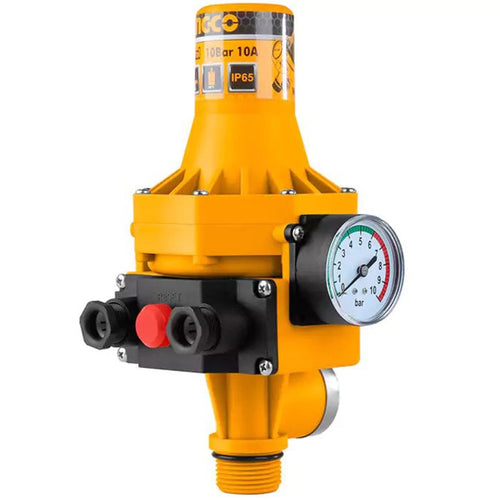
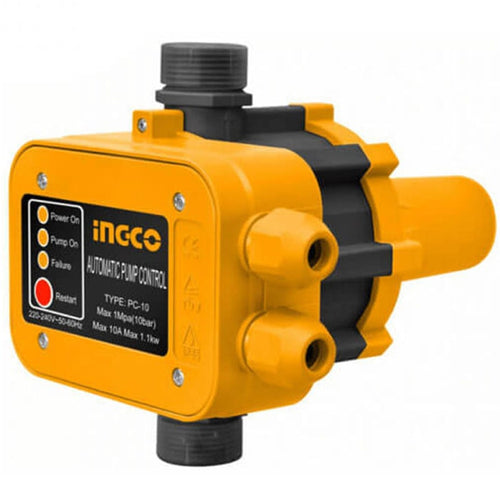
Popular models

 კომერციული გარანტია 2 წელი



შესაძლოა დაგაინტერესოთ
-
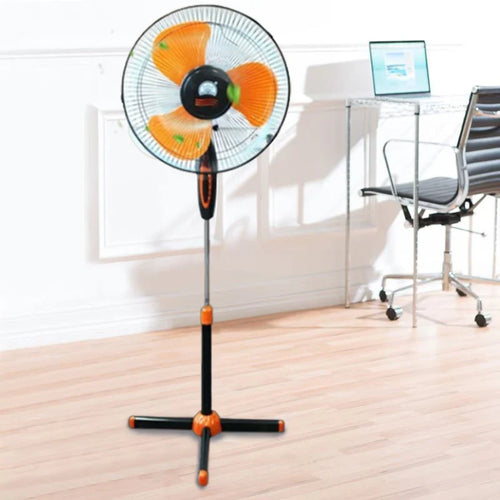
How to choose a fan?
As soon as summer arrives, the first thing that comes to mind is a fan . Fresh air circulation in the heat, rapid coo...
-
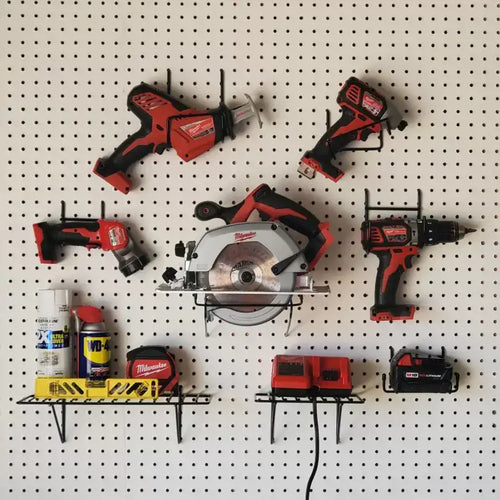
How to choose power tools in 2025?
Modern construction and repair work is unthinkable without quality power tools. Choosing the right tool is essential ...
-

How to choose a robot vacuum cleaner?
The question of how to choose a robot vacuum cleaner has been relevant since the appearance of these smart devices on...
-
How to set the refrigerator temperature?
Setting the refrigerator temperature correctly is essential to ensure that products retain their nutritional value fo...
-
Air conditioner for 40 square meters - everything you need to know before buying
There are several important factors to consider when selecting the right air conditioner for a 40 m² room in 2025, en...
-
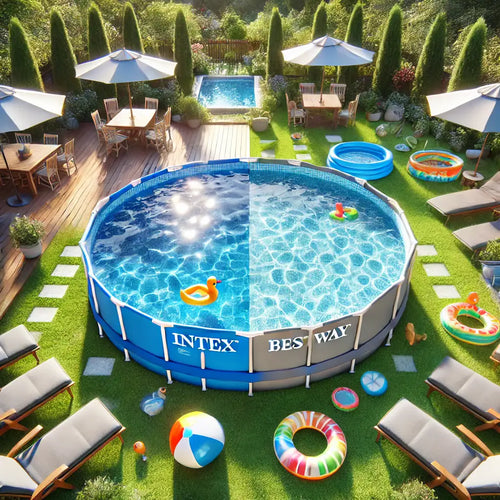
Intex or Bestway - which pool to choose?
When shopping for an outdoor framed pool, you've probably come across Bestway and Intex pools. Both brands offer a wi...
-
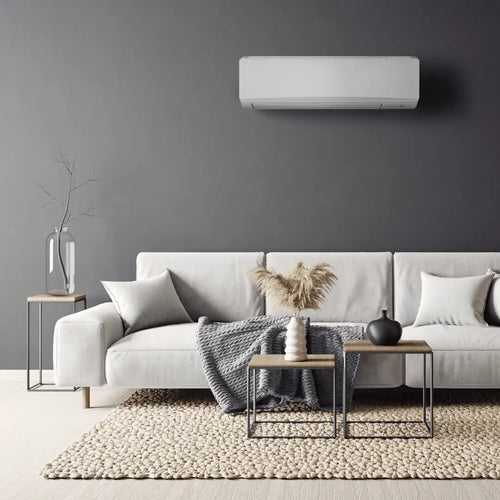
Overview of air conditioner features - what each one means
A modern air conditioner has many features, some of which are easy to guess by their names, but in advertising campai...
-
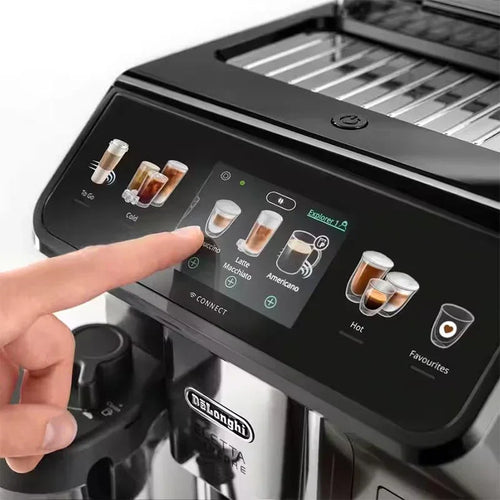
The most comprehensive review of DELONGHI coffee machines
DeLonghi is an Italian premium brand known for its high-quality home appliances, especially coffee machines . The com...
