
Main features of a band saw!
You can think of the blade as a ribbon that is constantly rotating with the wheels. Bandsaws They are most often used for woodworking. However, they can also be used for woodworking and metalworking.
Band saw The main advantage of using a band saw is that you can make a very uniform cut. This is due to the evenly distributed load on the teeth. A band saw can easily cut curved or irregular shapes.
Belt saws They're not the only saws that can make complex cuts. But they are the easiest to use.

A band saw can be used to make curved cuts, even on thick wood, for example, to create cabriole legs, to make short cuts in lumber and cross-cuts. However, the most common use of a band saw is to cut irregular shapes.
The second most common use is for resawing or cutting timber into thinner sheets. A band saw also makes the smoothest cuts and, with the appropriate blade, can be used to cut materials other than wood, including metal.
A band saw is a power tool used in wood and metalworking. It consists of a long, continuous blade with teeth that is wrapped around two or more wheels, forming a loop. The blade moves in a continuous motion, allowing for precise and curved cuts.
Some key features and components of a typical band saw:
1. Frame: The frame is the main structure that supports the components of a band saw. It is usually made of heavy metal or cast iron to ensure stability.
2. Wheels: Band saws have two or more wheels, usually made of cast iron or aluminum, that support and guide the blade. The wheels are connected to a motor that drives the blade in a continuous loop.
3. Blade: A bandsaw blade is a long, narrow strip of metal with teeth on one edge. It is usually made of carbon steel or bimetal for durability. The width of the blade and tooth configuration determine the type of cut it can make, such as straight cuts, curved cuts, or re-cuts (cutting thick pieces into thin pieces).
4. Table: The table is a flat surface located under the blade. It provides support for the material being cut and can usually be adjusted for height and tilt. Some band saws also have an adjuster that allows for angled cuts.

5. Guides: Bandsaws have guides that help align the blade and keep it stable while you work. The guides are usually located above and below the table and can be adjusted to accommodate different sizes of blades.
6. Fence : A fence is an accessory that can be attached to a table. It helps to make straight and parallel cuts along a fixed edge of the material.
7. Tensioning mechanism: Bandsaw blades require proper tensioning to work efficiently. Bandsaws typically have a tensioning mechanism that allows you to adjust the tension for optimal performance.
Band saws are versatile tools and are commonly used for a variety of cutting tasks, including sawing wood, mitre sawing, resawing boards, and even cutting metal with the appropriate blade. They are available in a variety of sizes and configurations, from small models for home use to large industrial-grade machines for professional use.
Popular models


 კომერციული გარანტია 1 წელი


შესაძლოა დაგაინტერესოთ
-
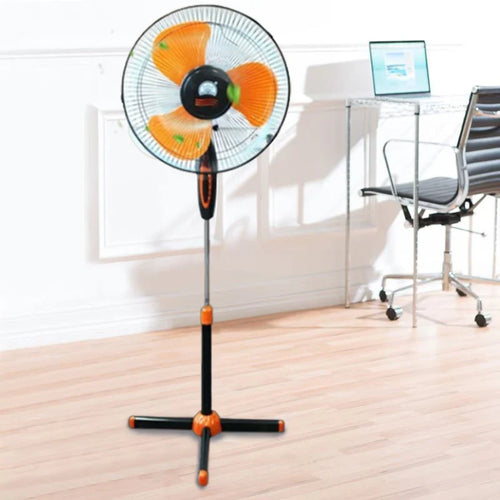
How to choose a fan?
As soon as summer arrives, the first thing that comes to mind is a fan . Fresh air circulation in the heat, rapid coo...
-
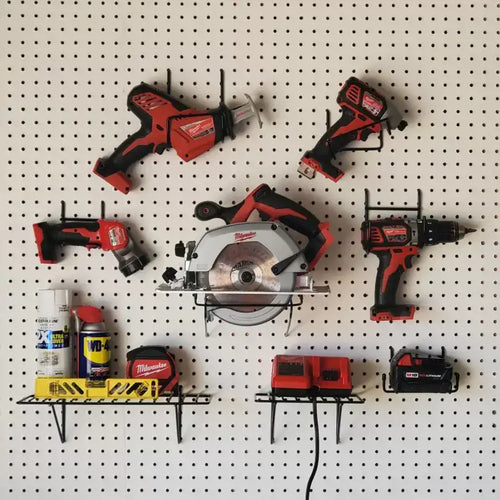
How to choose power tools in 2025?
Modern construction and repair work is unthinkable without quality power tools. Choosing the right tool is essential ...
-

How to choose a robot vacuum cleaner?
The question of how to choose a robot vacuum cleaner has been relevant since the appearance of these smart devices on...
-
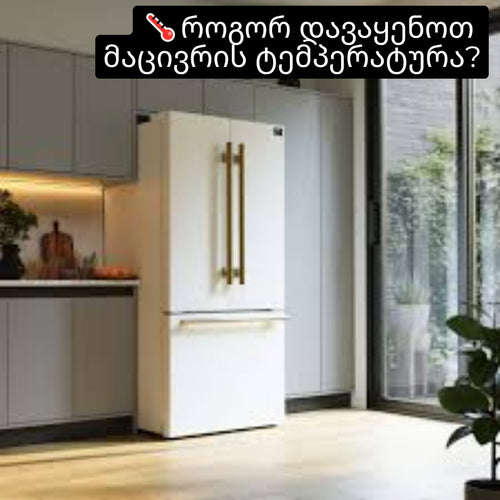
How to set the refrigerator temperature?
Setting the refrigerator temperature correctly is essential to ensure that products retain their nutritional value fo...
-

Air conditioner for 40 square meters - everything you need to know before buying
There are several important factors to consider when selecting the right air conditioner for a 40 m² room in 2025, en...
-

Intex or Bestway - which pool to choose?
When shopping for an outdoor framed pool, you've probably come across Bestway and Intex pools. Both brands offer a wi...
-

Overview of air conditioner features - what each one means
A modern air conditioner has many features, some of which are easy to guess by their names, but in advertising campai...
-
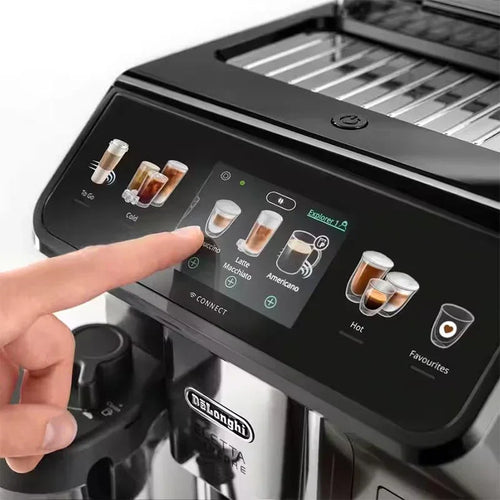
The most comprehensive review of DELONGHI coffee machines
DeLonghi is an Italian premium brand known for its high-quality home appliances, especially coffee machines . The com...
