
The history of the invention of the thermos
A thermos is an insulated storage vessel that significantly extends the time during which its contents remain hotter or colder.
Invented by Sir James Dewar in 1892, the thermos consists of two flasks placed inside each other and connected at the neck. The space between the two flasks is partially evacuated of air, creating a near-vacuum that greatly reduces heat transfer by conduction or convection. When used to store cold liquids, this also virtually eliminates condensation on the outside of the flask.
Thermoses are used indoors to keep beverages hot or cold for long periods of time and to keep cooked food warm.

History
The thermos flask was designed and invented by Scottish scientist Sir James Dewar in 1892 as a result of his research in the field of cryogenics. While conducting experiments to determine the specific heat of the element palladium, Dewar made a copper chamber that he placed inside another chamber to keep the palladium at the desired temperature. He evacuated the air between the two chambers, creating a partial vacuum to keep the temperature of the contents constant. Dewar refused to patent his invention; this allowed others to develop the flask using new materials such as glass and aluminum, and it became an important tool for chemical experiments as well as a common household item.
The Dewar design was quickly transformed into a commercial item in 1904 when two German glassmakers, Reinhold Burger and Albert Aschenbrenner, discovered that it could be used to keep cold drinks and warm drinks warm and invented a stronger flask design that could be used on a daily basis.
The Dewar thermos design was never patented, but German manufacturers who discovered a commercial use for the product called it the Thermos and subsequently claimed both the rights to the commercial product and the trademark name.

In a subsequent attempt to claim the rights to the invention, Dewar instead lost a court case to the company. The construction and performance of the thermos bottle were greatly improved and refined by the Viennese inventor and merchant Gustav Robert Paalen, who designed it for various types of domestic use, which he also patented and widely distributed through the Thermos Bottle Companies in the United States.
Canada and the UK, which acquired licenses for their respective national markets. The American Thermos Bottle Company built a mass production plant in Norwich, which reduced prices and enabled the product to be widely distributed for home use.
Over time, the company expanded the sizes, shapes, and materials of these consumer products, which were primarily used to carry coffee and liquids while hiking to keep them hot or cold. Eventually, other manufacturers produced similar products for consumer use.
Popular models

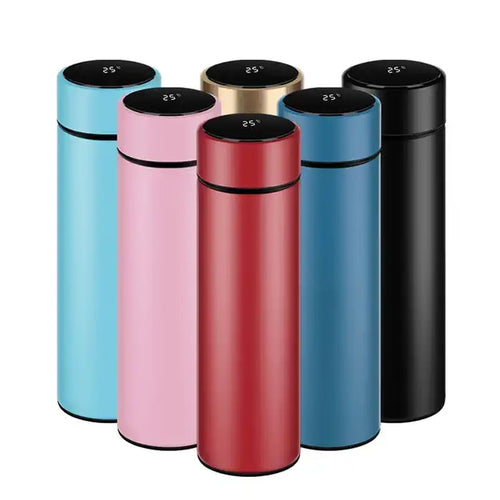
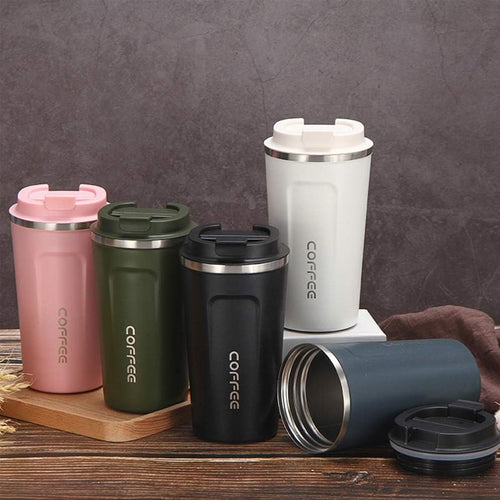
 ხარისხის გარანტია



შესაძლოა დაგაინტერესოთ
-

How to choose a fan?
As soon as summer arrives, the first thing that comes to mind is a fan . Fresh air circulation in the heat, rapid coo...
-

How to choose power tools in 2025?
Modern construction and repair work is unthinkable without quality power tools. Choosing the right tool is essential ...
-

How to choose a robot vacuum cleaner?
The question of how to choose a robot vacuum cleaner has been relevant since the appearance of these smart devices on...
-

How to set the refrigerator temperature?
Setting the refrigerator temperature correctly is essential to ensure that products retain their nutritional value fo...
-

Air conditioner for 40 square meters - everything you need to know before buying
There are several important factors to consider when selecting the right air conditioner for a 40 m² room in 2025, en...
-

Intex or Bestway - which pool to choose?
When shopping for an outdoor framed pool, you've probably come across Bestway and Intex pools. Both brands offer a wi...
-

Overview of air conditioner features - what each one means
A modern air conditioner has many features, some of which are easy to guess by their names, but in advertising campai...
-
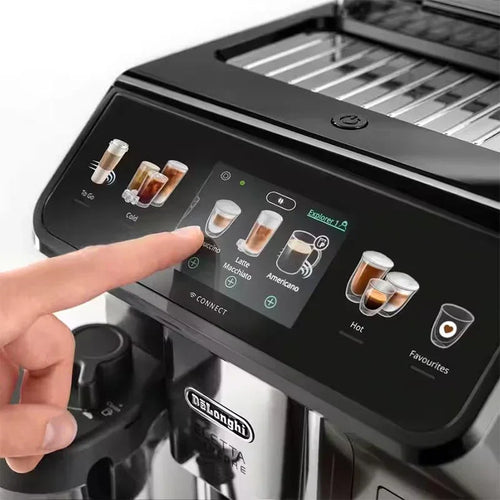
The most comprehensive review of DELONGHI coffee machines
DeLonghi is an Italian premium brand known for its high-quality home appliances, especially coffee machines . The com...
