
Place the speakers correctly in the room for better sound!
Speakers are devices designed to convert electrical signals into audible sound waves. They are essential components of audio systems and are used in a variety of places, including home entertainment systems, car audio systems, restaurants, and more.

Here are some of the key components and concepts related to speakers:
1. Driver: The driver is the main component of a speaker that is responsible for producing sound. It consists of a diaphragm (usually made of paper, plastic, or other material) attached to a coil of wire called a voice coil. When an electrical signal is applied to the voice coil, it interacts with a magnetic field, causing the diaphragm to move back and forth, producing sound waves.
2. The driver is usually mounted in a cabinet or enclosure designed to improve the efficiency and sound quality of the speaker. Enclosures come in a variety of designs, such as closed (sealed) boxes, ported boxes, and more complex designs such as transmission lines. The type of driver used affects the bass, efficiency, and overall sound characteristics of the speaker.
3. Frequency: This refers to the range of frequencies that a speaker can reproduce. Full-range speakers are designed to cover a wide range of frequencies, while specialized speakers, such as subwoofers, focus on low frequencies.
4. Impedance: Impedance is a measure of the resistance to the flow of electrical current through a speaker. The speaker impedance must match the output impedance of the amplifier for optimal performance.

5. Power: Speakers have power ratings in watts , which indicate how much power they can handle without damage. Power ratings are usually broken down into RMS (root mean square) and maximum power handling. It is important to match the speaker's power handling capabilities to the amplifier's output power to avoid overloading and damaging the speaker.
6. Sensitivity: Sensitivity is a measure of how efficiently a speaker converts electrical energy into sound. It is usually measured in decibels (dB) and tells you how loud a speaker will be at a specific distance when given a certain amount of power. Higher sensitivity ratings indicate more efficient speakers.
7. In multi-driver speaker systems, a crossover network is used to divide the audio signal into different frequency ranges and route them to the appropriate drivers. This ensures that each driver reproduces the frequencies for which it is designed.
8. Speaker Sizes: Speakers come in a variety of sizes, with common sizes being 6.5 inches, 8 inches, and 12 inches. The size of a speaker can affect its ability to reproduce certain frequencies and overall sound output.
Types of speakers:
There are different types of speakers, including woofers (for low frequencies), midrange drivers (for medium frequencies), tweeters (for high frequencies), and subwoofers (for very low frequencies). Each type serves a specific purpose in audio sound reproduction.

Speaker placement:
Proper placement of speakers in a room is crucial for achieving optimal sound quality. Factors such as room acoustics, speaker placement, and the position of the listener can significantly affect the perception of sound.
Speakers play a crucial role in delivering high-quality audio in a variety of settings. Choosing the right speakers for a particular location and understanding their specifications is essential to achieving the desired audio experience.
Popular models

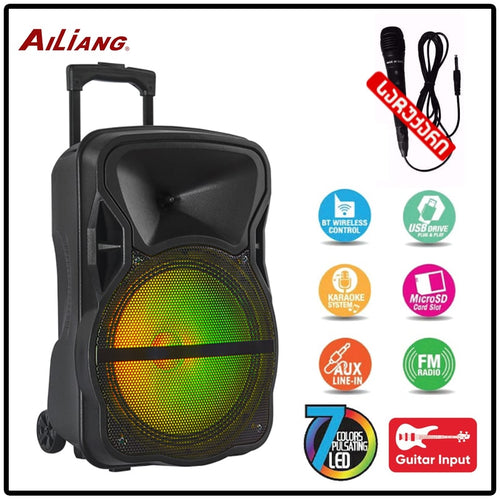
 კომერციული გარანტია 1 წელი


შესაძლოა დაგაინტერესოთ
-
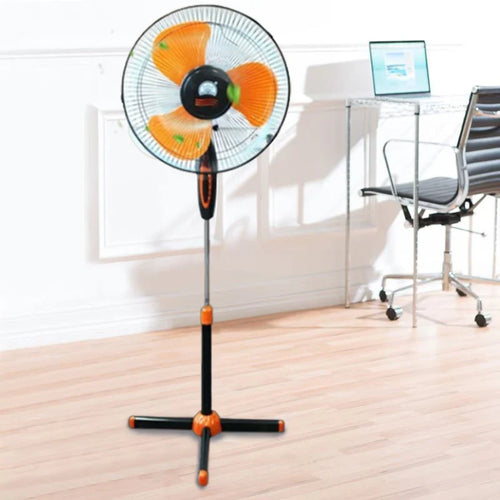
How to choose a fan?
As soon as summer arrives, the first thing that comes to mind is a fan . Fresh air circulation in the heat, rapid coo...
-
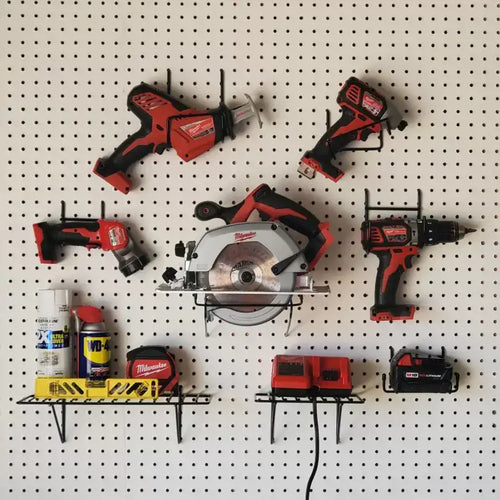
How to choose power tools in 2025?
Modern construction and repair work is unthinkable without quality power tools. Choosing the right tool is essential ...
-
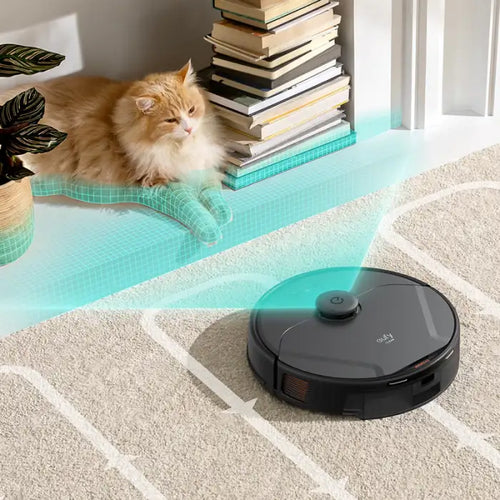
How to choose a robot vacuum cleaner?
The question of how to choose a robot vacuum cleaner has been relevant since the appearance of these smart devices on...
-
How to set the refrigerator temperature?
Setting the refrigerator temperature correctly is essential to ensure that products retain their nutritional value fo...
-
Air conditioner for 40 square meters - everything you need to know before buying
There are several important factors to consider when selecting the right air conditioner for a 40 m² room in 2025, en...
-
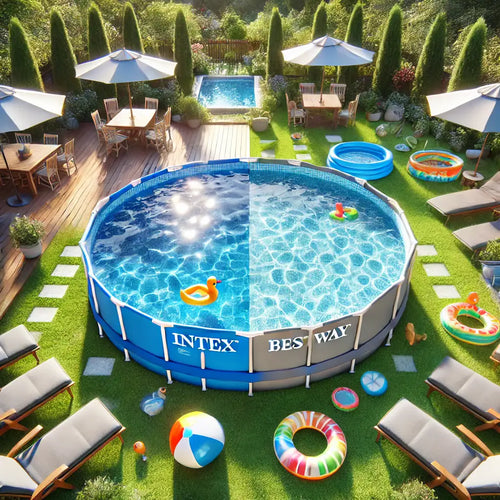
Intex or Bestway - which pool to choose?
When shopping for an outdoor framed pool, you've probably come across Bestway and Intex pools. Both brands offer a wi...
-
Overview of air conditioner features - what each one means
A modern air conditioner has many features, some of which are easy to guess by their names, but in advertising campai...
-
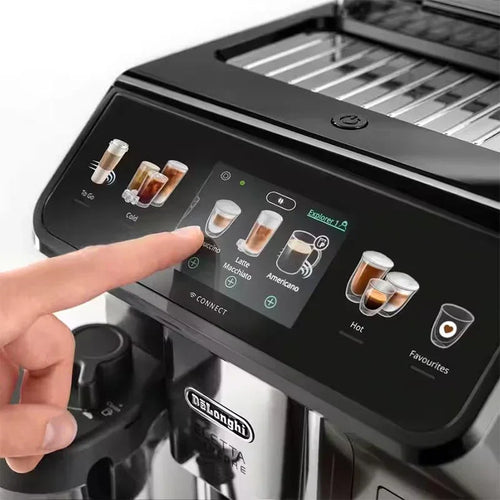
The most comprehensive review of DELONGHI coffee machines
DeLonghi is an Italian premium brand known for its high-quality home appliances, especially coffee machines . The com...
